


Why Embrace the Monsoon in Chopta?
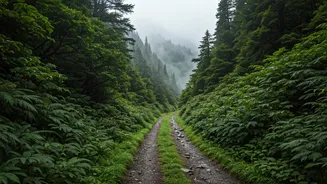
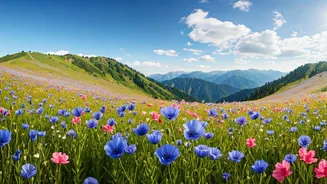
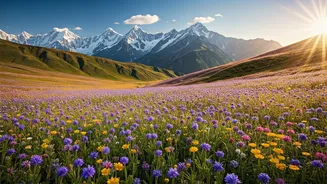
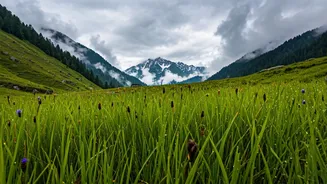
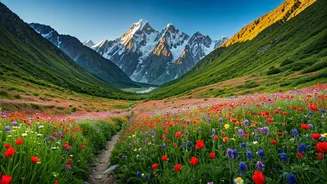
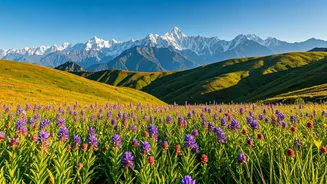
While many trekkers wait for crisp autumn skies, the monsoon (late June to early September) transforms Chopta into a different world. The crowds thin out, leaving you with uninterrupted serenity. The meadows, often called the 'Mini Switzerland of India',
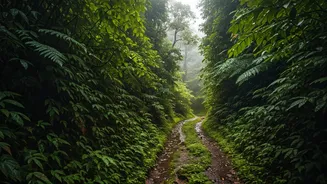
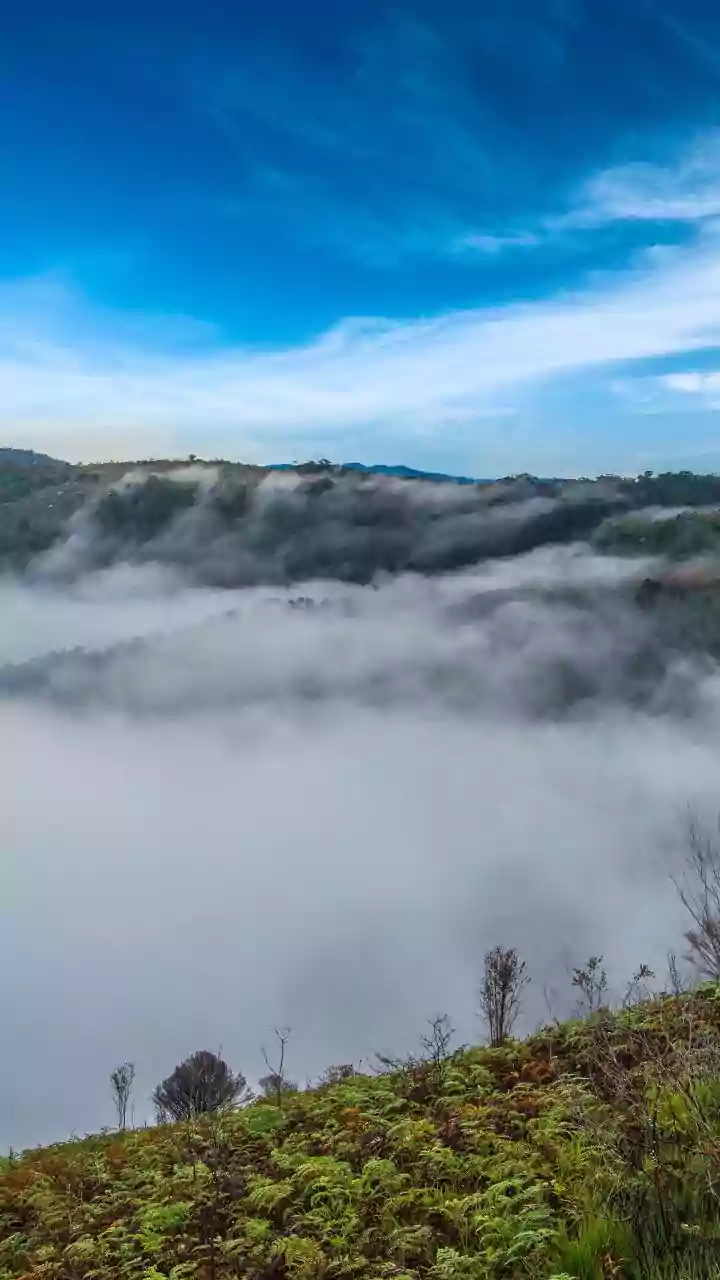
turn a startling, lush shade of emerald green. Rhododendron and oak forests are washed clean, and the air is thick with the petrichor of wet earth. Clouds play hide-and-seek with the peaks, creating dramatic, ever-changing landscapes. If you find beauty in mist, solitude, and nature at its most raw and rejuvenated, a monsoon trek here is an unforgettable experience.
The Classic Trekking Route
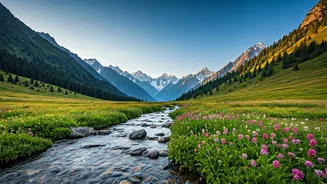
The main attraction is the trek from Chopta to Tungnath and then to Chandrashila Peak. This trail is relatively short but rewarding. 1. **Chopta (2,608m) to Tungnath (3,680m):** This is a well-paved, 3.5 km trail that gradually ascends. Tungnath is the highest Shiva temple in the world and a stunning sight, especially when partially veiled by monsoon clouds. 2. **Tungnath to Chandrashila (3,925m):** From the temple, a steeper 1.5 km climb takes you to Chandrashila Peak. The 360-degree Himalayan views of peaks like Nanda Devi, Trishul, and Chaukhamba are often obscured by clouds in the monsoon, but brief, magical clearings can offer breathtaking glimpses. **Optional Add-On: Deoriatal Lake:** Many itineraries start or end with a visit to Deoriatal, a pristine lake famous for its reflections of the Chaukhamba peaks. The trek to the lake is a gentle 2.3 km walk from Sari village, which is a short drive from Chopta.
A Suggested 4-Day Itinerary
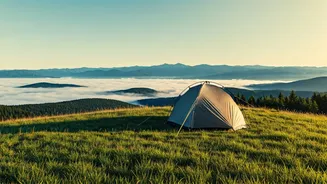
This plan assumes you start your journey from Rishikesh/Haridwar. * **Day 1: Drive to Sari Village.** The long drive (6-8 hours) takes you through Devprayag and Rudraprayag. Settle into a guesthouse in Sari and rest up. * **Day 2: Trek to Deoriatal and Drive to Chopta.** A short morning trek to Deoriatal offers stunning views. After returning to Sari, drive the 1-2 hours to Chopta and check into your accommodation. * **Day 3: Trek to Tungnath and Chandrashila.** Start early to make the most of the day. The round trip takes about 5-7 hours. The slippery path requires a slow, steady pace. Return to Chopta for the night. * **Day 4: Drive Back to Rishikesh.** Begin your journey back after breakfast, filled with memories of misty mountains.
Difficulty Level: A Monsoon Reality Check
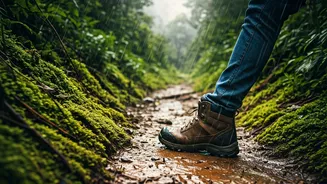
On a clear day, the Chopta-Tungnath trek is considered easy to moderate. However, the monsoon adds a layer of challenge. The paved stone path to Tungnath becomes very slippery and requires trekking poles and boots with excellent grip. The trail from Tungnath to Chandrashila can become muddy and slick. The constant rain can be mentally and physically draining if you aren't prepared. While the altitude is not extreme, mild symptoms of AMS can affect some, so acclimatisation is important. It is not recommended for absolute first-timers during the monsoon, but it is very manageable for those with some hiking experience and the right gear.
Essential Monsoon Packing List
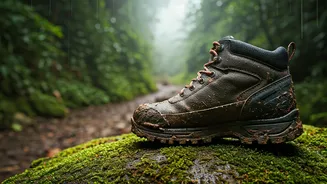
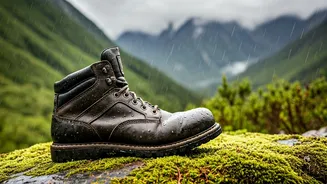
Packing correctly is the key to enjoying a monsoon trek. Do not compromise on rain protection. * **Footwear:** Waterproof trekking boots with deep grooves for grip are non-negotiable. * **Rainwear:** A high-quality poncho that covers you and your backpack is better than just a jacket. Carry a waterproof jacket and trousers as well. * **Clothing:** Pack quick-drying synthetic t-shirts and trek pants. Avoid cotton at all costs, as it gets heavy and cold when wet. * **Protection:** Leech socks or gaiters are a must. Carry a small salt pouch or hand sanitiser to remove leeches safely. * **Backpack:** A 40-50L backpack with a built-in rain cover is ideal. * **Essentials:** Trekking pole(s) for stability, a waterproof headlamp, a basic first-aid kit, and a power bank.
Staying Safe on the Trail
Safety should be your top priority. During the monsoon, be aware of landslides, which can cause road blockages to and from Chopta; build a buffer day into your travel plans. On the trail, walk slowly and deliberately, testing your footing on slippery rocks. Avoid trekking during heavy downpours or thunderstorms. Inform your guesthouse owner or guide of your plans for the day. Finally, the infamous Himalayan leeches are more of a nuisance than a danger. They are common in the forested sections. Wear leech socks, tuck your trousers into your socks, and check your legs and boots periodically.