






A Shift in the Corporate Menu
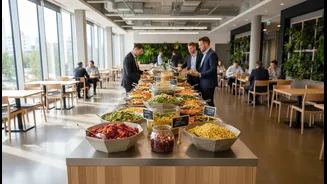
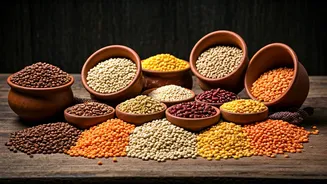
A quiet revolution is taking place in the corporate canteens of India. Forward-thinking companies are redesigning their menus to feature ancient grains like millets (jowar, bajra, ragi), amaranth, and sorghum. Once staples of the Indian diet, these grains were
largely sidelined by the dominance of refined wheat and rice. Now, they are making a powerful comeback, not just in trendy cafes, but in the very places where India's modern workforce is fed. This move is more than a culinary trend; it's a deliberate strategy by eco-conscious and employee-centric organisations to invest in the health of their people and the planet. By reintroducing these nutrient-dense grains, companies are offering their employees meals that are not only healthier but also rooted in India's agricultural heritage.
The Business Case for Ancient Grains
Why would a company care if its employees eat millet or white rice? The answer lies in a smart blend of employee wellness and strategic branding. Ancient grains are nutritional powerhouses, packed with fibre, protein, and essential minerals. Studies show that diets rich in whole grains can help manage blood sugar levels, improve heart health, and aid in weight management. For a corporation, this translates into a healthier, more energetic, and more productive workforce with potentially fewer sick days. Beyond direct health benefits, serving sustainable and locally sourced food enhances a company's brand image. It sends a clear message that the organisation is committed to environmental responsibility and corporate citizenship, which can be a deciding factor for attracting and retaining top talent in a competitive market.
From Farm to Corporate Fork
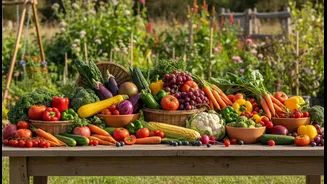
Implementing this shift requires a new approach to procurement, moving towards a 'farm-to-fork' model. Instead of relying on large, anonymous distributors, companies are increasingly establishing direct relationships with local farmers and farmer-producer organisations. This direct sourcing ensures a supply of fresh, high-quality grains while providing farmers with fair and stable incomes, cutting out intermediaries. Logistics and supply chain startups are playing a crucial role in bridging this gap, using technology to connect rural producers with urban corporate clients. In the kitchen, corporate chefs are tasked with innovation, transforming these humble grains into delicious and contemporary dishes—from millet salads and quinoa bowls to ragi-based flatbreads and desserts—that appeal to a modern, globalised palate.
More Than Just a Meal
The impact of this initiative extends far beyond the corporate campus. Promoting ancient grains aligns perfectly with national sustainability goals. Millets, for example, are famously resilient 'climate-smart' crops. They require significantly less water than rice and wheat, are resistant to pests, and can thrive in arid conditions, making them ideal for India's varied and changing climate. By creating a steady, high-volume demand for these grains, corporations are not just supporting a healthier diet but also promoting a more sustainable agricultural system. This movement empowers smallholder farmers, contributes to biodiversity by encouraging the cultivation of a wider variety of crops, and strengthens local food security.
Challenges on the Plate
Despite the clear benefits, the path to a millet-centric menu is not without its hurdles. One of the main challenges is perception; for decades, millets were often viewed as 'food for the poor', and shifting this mindset requires education and consistently delicious culinary execution. Companies must ensure their kitchen teams are trained to make these grains appealing, as a poorly prepared dish can set back adoption efforts. Supply chain consistency can also be an issue. While direct sourcing helps, ensuring a year-round, stable supply of diverse grains from smaller farms requires significant logistical coordination. Finally, there can be a cost factor, as ethically sourced, high-quality grains may initially be more expensive than their mass-produced counterparts, requiring a budget commitment from management.