




A Monsoon Makeover
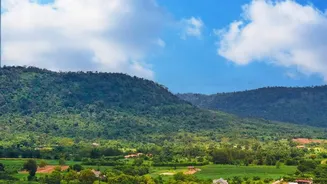
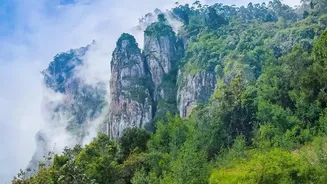
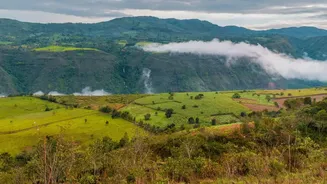
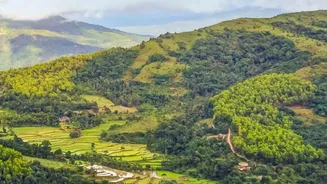
Located about 50 kilometres from the Bokaro district headquarters, Sevati Valley undergoes a dramatic metamorphosis with the arrival of the rains. Situated in the Kasmar block along the Jharkhand-West Bengal border, this pocket of the Chota Nagpur Plateau
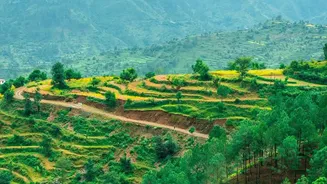
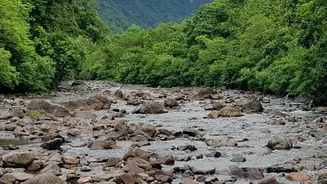
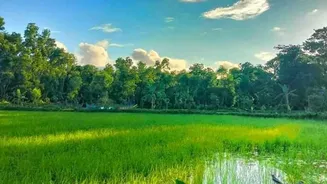
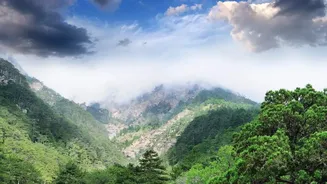
sheds its dry, deciduous look for a blanket of intense greenery. Hills that appear rugged for most of the year become cloaked in lush vegetation, and the entire valley hums with a renewed energy. This seasonal rebirth is at the heart of its appeal, offering a fresh, vibrant landscape that feels worlds away from the industrial identity of its home district. Recent steady rainfall has made this year's transformation particularly spectacular, drawing an increasing number of visitors and photography enthusiasts to the area.
The Allure of the Waterfall
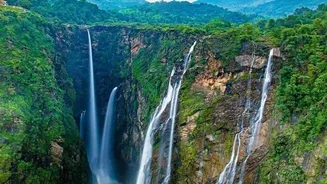
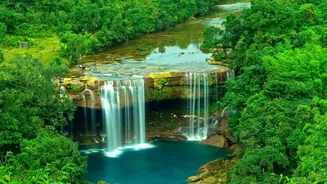
The centrepiece of Sevati Valley’s monsoon spectacle is its gushing waterfall. While many of Jharkhand's waterfalls, like those near Ranchi, are famous, the cascade in Sevati Valley offers a more intimate and raw experience. Fed by the monsoon downpours, the stream tumbles down a series of rocky inclines, its white water creating a brilliant contrast against the dark, wet rocks and emerald foliage. This powerful display of nature has become a favourite backdrop for photos and videos, with travellers frequently pulling over to capture the scene. The sound of the cascading water, combined with the mist it throws into the air, creates an immersive sensory experience that photographs can only begin to capture.
A Photographer's Dream Canvas
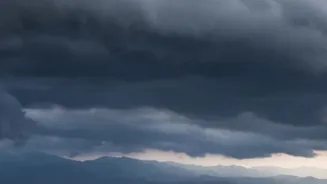
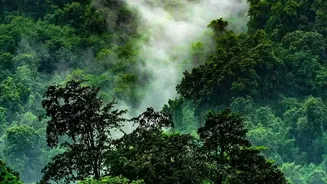
For photographers, Sevati Valley during the monsoon is more than just a pretty scene; it's a dynamic studio. The appeal lies in the unique quality of light and atmosphere. The overcast sky acts as a giant softbox, diffusing the sunlight and saturating the colours of the landscape, making the greens richer and the earth tones deeper. The interplay of mist-covered hills, dramatic cloud formations, and glistening wet surfaces provides endless compositional opportunities. Photographers are drawn to capturing the mood of the season—from the tranquil moments after a downpour to the dramatic spectacle of the waterfall in full force. It’s a place to photograph nature not just as a static backdrop, but as a living, breathing subject.
Rich Biodiversity in a Compact Frame
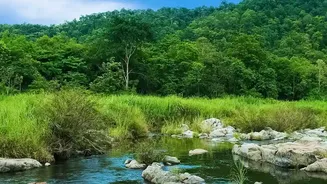
Beyond the grand vistas, the valley is a treasure trove for macro and wildlife photography. Jharkhand's forests are home to a diverse range of flora and fauna, and the monsoon brings many of these species out into the open. The landscape is dotted with trees typical to the region like Sal, Mango, and Bamboo, which thrive in the wet conditions. Photographers with a keen eye can find colourful insects, unique wildflowers, and a variety of birds. The Asian Koel, Jharkhand's state bird, is a resident breeder often found in such habitats. This concentration of biodiversity in a relatively accessible area allows photographers to capture not just the sweeping landscapes but also the intricate details of the ecosystem that the monsoon invigorates.
An Accessible Natural Escape
Part of Sevati Valley's growing popularity is its accessibility. While it feels like a remote natural escape, it is easily reached by road from Bokaro and surrounding areas, making it a perfect day trip destination. However, its rising fame has also highlighted a need for better infrastructure. While the valley is on the state's tourism map, local leaders and visitors have pointed out the lack of amenities like safety measures, proper seating areas, and sanitation facilities. The development of such infrastructure could help manage the increasing footfall sustainably, ensuring the preservation of the valley's natural charm while generating opportunities for local communities. For now, its raw, undeveloped state remains a key part of its appeal for those seeking an authentic natural encounter.