




The Ancient Method: What is a Wooden Ghani?
Before industrial factories, oil was extracted using a simple, powerful machine known as a 'ghani'. In South India, it's often called a 'chekku' or 'marachekku'. This traditional press consists of a large wooden pestle that rotates slowly inside a wooden mortar,
crushing oilseeds like sesame through sheer pressure. The process is slow and gentle, often powered by bullocks or a low-speed motor. The key distinction of this method is the minimal heat generated. Because the wood absorbs much of the friction, the oil is extracted without being cooked, preserving its natural state. This 'cold-pressing' technique ensures the final product is raw, unrefined, and nutritionally dense, just as it has been for centuries.
Refined vs. Ghani: A Tale of Two Oils
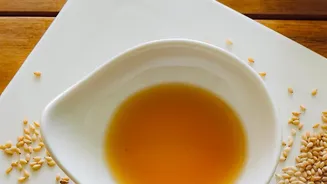
The clear, neutral-smelling refined oil found on most supermarket shelves is a world away from its ghani-pressed counterpart. Refined oils are produced for quantity and shelf life. The process often involves high heat and chemical solvents, such as hexane, to extract the maximum amount of oil from the seeds. This is followed by bleaching to remove colour and deodorising to eliminate natural smells. While this industrial method is efficient, it strips the oil of many of its beneficial compounds, including vitamins, antioxidants, and natural lignans like sesamol and sesamin. In contrast, wooden-ghani oil is mechanically pressed without added chemicals or heat. What you get is a pure, unfiltered oil that retains the seed's original colour, aroma, and, most importantly, its full nutritional profile. The rich, nutty flavour isn't a defect; it's a sign of its unprocessed integrity.
A Nutritional Powerhouse
The preference for wooden-ghani sesame oil is rooted in its impressive nutritional benefits. Because it isn't subjected to high temperatures, it retains heat-sensitive Vitamin E, a powerful antioxidant that helps protect the body from oxidative stress. It is also rich in polyunsaturated and monounsaturated fats, including Omega-6 fatty acids. The antioxidants unique to sesame, sesamol and sesamin, are preserved in this extraction method. These compounds are celebrated for their anti-inflammatory properties and ability to fight free radicals in the body. In Ayurveda, sesame oil is revered as the 'king of oils' and is used extensively for everything from daily cooking to therapeutic massages (abhyanga), valued for its warming and nourishing qualities.
Flavour and Function in the South Indian Kitchen
For many, the return to ghani oil is also a return to authentic flavour. Known as 'nallennai' (good oil) in Tamil, sesame oil is a cornerstone of South Indian cuisine, lending its distinctive nutty aroma to countless dishes. It's the traditional choice for tempering spices for sambar and rasam, mixing with 'podi' to eat with idli and dosa, and preparing rice dishes like 'ellu sadam' (sesame rice). While refined oils are neutral, ghani-pressed sesame oil is an active ingredient, contributing depth and character. Unrefined sesame oil has a lower smoke point than refined versions, around 177°C, making it best suited for low to medium-heat cooking like sautéing, tempering, and finishing dishes. Drizzling it over a finished curry or a bowl of dal just before serving is a great way to enjoy its full flavour and nutritional benefits.