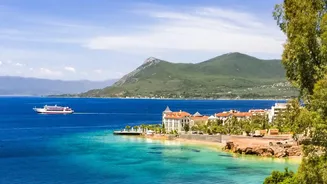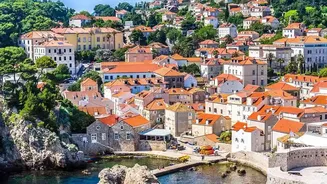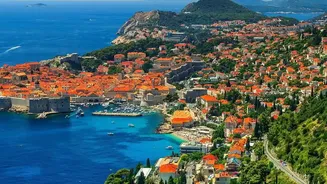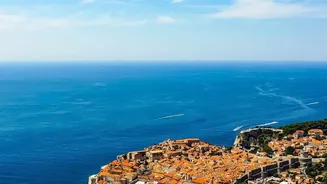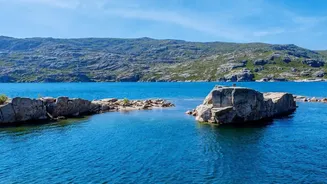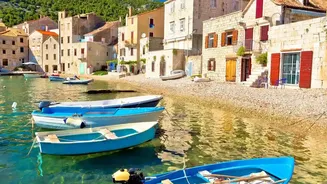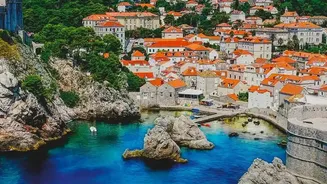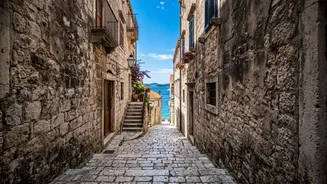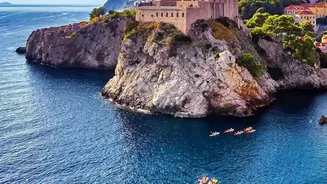



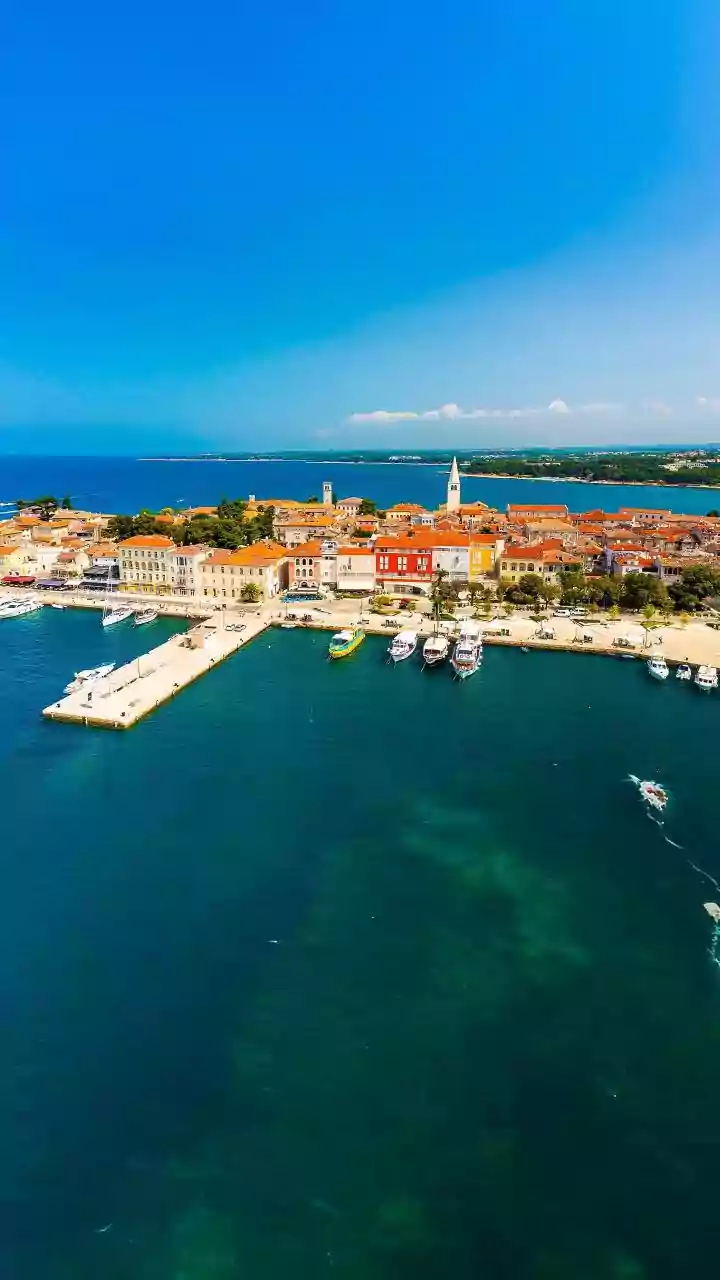
Forget the summer crush. Croatia's true magic reveals itself in the shoulder seasons. In May and September, the Adriatic coast sheds its peak-season crowds, offering a more authentic, relaxed, and often more affordable travel experience.
Istria: Croatia's Tuscan Heart
Often called 'the
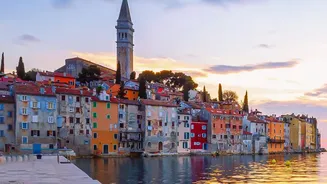
Tuscany of Croatia', the heart-shaped Istrian peninsula in the northwest offers rolling green hills, medieval hilltop towns, and a rich culinary scene. In May, the landscape is lush and green, while September brings the grape harvest and the start of the famed white truffle season. Swap the overflowing streets of Dubrovnik for towns like Motovun or Grožnjan, where you can wander cobblestone alleys in peace. The coastal city of Rovinj, with its romantic old town, is especially charming without the summer throngs. September is an ideal time to visit, as the sea is still warm from the summer sun, but the beaches are significantly less crowded.
National Parks Without the Procession
Plitvice Lakes National Park, a UNESCO World Heritage site, is famous for its terraced lakes and cascading waterfalls. In July and August, the wooden boardwalks can feel more like a queue than a nature walk. Visiting in May or September allows for a much more serene experience. In May, the waterfalls are at their most powerful, fed by spring snowmelt, and the surrounding forests are a vibrant green. By September, the crowds have thinned dramatically from their summer peak, and the early autumn colours begin to emerge, offering a different but equally stunning landscape. Similarly, Krka National Park is far more enjoyable when you can appreciate its beauty without jostling for a photo.
The Pelješac Peninsula: Wine and Oysters
Just a short drive from Dubrovnik, the Pelješac peninsula is a world away from the city's hustle. This slender finger of land is one of Croatia's premier wine regions, famous for its robust Plavac Mali red wines. Driving the winding coastal road between Ston and Orebić is a highlight, offering breathtaking views of vineyards and secluded coves. In September, you can witness the grape harvest firsthand. The town of Ston is renowned for two things: its incredible medieval walls, second only to the Great Wall of China in length, and its centuries-old salt pans and oyster farms. Enjoying fresh oysters in Mali Ston is a quintessential Croatian experience, made all the better by the relaxed, off-season atmosphere.
Zadar and the Quieter Islands
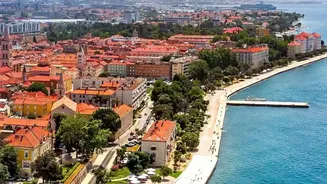
While Split and Hvar are magnets for summer parties, Zadar offers a more relaxed yet equally historic alternative. Its beautiful Old Town is home to Roman ruins, medieval churches, and two unique modern art installations: the Sea Organ and the Greeting to the Sun. These attractions are best experienced at sunset with room to breathe. Late spring and early autumn provide warm, pleasant weather perfect for exploring. From Zadar, it's easy to access quieter islands often overlooked by the main tourist trail. Instead of Brač or Hvar, consider trips to the Kornati National Park archipelago for stark, lunar beauty or the forested islands of Mljet or Vis, which retain a more authentic, undeveloped charm.