


Go Beyond the Basic Forecast
A standard weather app showing 'rain' isn't enough. Look for detailed forecasts from the India Meteorological Department (IMD) that specify the intensity of rainfall. Terms like 'heavy', 'very heavy', or 'extremely heavy' rainfall are official warnings
that indicate a higher risk of disruption. These advisories often come with alerts (yellow, orange, or red) that signal the potential for hazardous conditions. A 'red' or 'orange' alert for your chosen dates should be a serious reason to reconsider your travel plans, as it signifies a high probability of events that can disrupt transport and daily life.
Assess Landslide and Flood Susceptibility
Not all hill stations are equally vulnerable. Regions like Himachal Pradesh, Uttarakhand, and parts of the Western Ghats are known to be prone to landslides during intense monsoons. Before booking, do a quick search for recent news about your destination. Look for terms like 'landslides', 'road blocked', or 'flash floods' in the area. You can also consult geological survey maps or local disaster management websites, which sometimes provide landslide hazard zonation maps. Choosing a destination with lower historical risk or better infrastructure can be a much safer bet. Some sources even suggest safer alternatives to popular but vulnerable spots.
Check Road and Route Accessibility
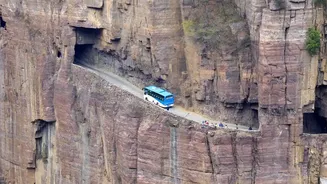
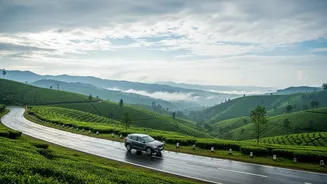
The most beautiful hotel is useless if you can't reach it. Monsoon rains frequently cause road blockages, either from landslides, waterlogging, or preventative closures by authorities. Before you book, check the status of the main highways leading to your destination. State police traffic pages or local news outlets often provide real-time updates. It's also wise to call the hotel directly and ask about the condition of the final access roads. A property located on a precarious slope or one that requires crossing small bridges or streams might become inaccessible after a single heavy downpour.
Monitor Local Government Advisories
Local authorities are your best source of on-the-ground information. District administrations and tourism departments often issue specific advisories for travellers during the monsoon season. These can include warnings about specific tourist spots being closed, restrictions on activities like trekking or bathing in waterfalls, and general safety precautions. Check the official websites or social media handles of the district magistrate or tourism board for your destination. Heeding these warnings is non-negotiable for ensuring your safety.
Question Your Hotel Directly
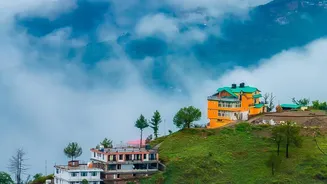
Your accommodation plays a key role in monsoon safety. When booking, don't hesitate to ask specific questions. Inquire about their preparedness for power cuts and whether they have a generator. Ask about the stability of the slope the hotel is built on and if they've had access issues in previous monsoons. It's also a good idea to confirm their cancellation policy in case of a weather-related emergency. A reputable hotel in a monsoon-prone area should be able to provide clear and reassuring answers about its safety measures and contingency plans.
Consider Health and Connectivity Risks
Heavy rains can lead to an increase in waterborne diseases and mosquito breeding. While booking, check reviews or ask the hotel about water purification and hygiene standards. It's also practical to ensure the area has stable mobile and internet connectivity, which can be crucial for receiving emergency alerts or contacting help if needed. Some remote resorts might look idyllic but can become completely cut off, both physically and digitally, during a storm. Prioritizing a location with reliable infrastructure can make a significant difference in an emergency.