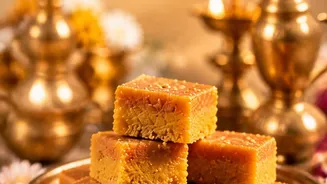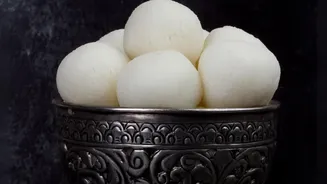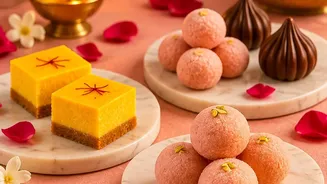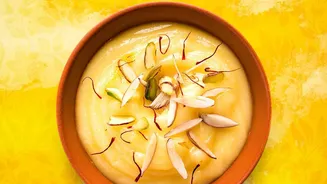

Every box of mithai holds the promise of celebration, but all too often, it ends in disappointment as sweets turn sour or stale. The culprit is often hiding in plain sight: your pantry's climate. Here’s the science of why it happens.
The Science of Spoilage
The tragic, premature
end of a perfectly good peda or barfi comes down to three main culprits: moisture, temperature, and air. Traditional Indian sweets are delicate ecosystems. Milk-based sweets like kalakand or anything made with khoya (milk solids) are rich in moisture and dairy, creating an ideal breeding ground for bacteria and mold. Even at room temperature, these sweets can begin to sour within hours. Ghee and sugar act as natural preservatives by reducing available water, which is why sweets like besan ladoo or Mysore pak last longer. However, exposure to air causes another problem: oxidation. This is when the fats in ghee and nuts react with oxygen, leading to that distinct 'stale' or rancid smell.
The Temperature Problem
For much of India, 'room temperature' falls squarely in the food safety danger zone where bacteria multiply fastest. Khoya, for instance, has a very short shelf life of just two to three days at room temperature but can last up to a week when refrigerated. Higher temperatures accelerate microbial growth and chemical reactions, causing milk solids to ferment and sour rapidly. While refrigeration seems like an obvious solution, it’s not a one-size-fits-all fix. Over-chilling can harden ghee-based sweets like Mysore pak, ruining their texture. Similarly, taking refrigerated sweets out into a warm, humid room can cause condensation to form, making them soggy and accelerating spoilage. The key is consistency and knowing which sweets belong in the fridge.
The Humidity Factor
Humidity is the silent killer of mithai texture. In a humid climate, sugar acts like a sponge, drawing moisture from the air. This is disastrous for dry or crispy sweets. That crunchy soan papdi or flaky patisa will turn soft and chewy. Conversely, a very dry environment can suck the moisture out of syrup-based sweets like gulab jamun or even fudge-like sweets such as kaju katli, leaving them hard and unappetizing. Traditional Indian pantry designs often focused on ventilation to combat humidity, using netted cupboards or hanging storage to encourage air circulation. Today, the single best defence against humidity for all types of sweets is a simple airtight container.
A Sweet-Specific Storage Guide
Not all mithai is created equal, and they shouldn't be stored that way. Separating sweets by type prevents moisture transfer—for example, keeping a dry ladoo next to a syrupy gulab jamun will make the ladoo soggy.
Milk/Khoya-Based Sweets (Peda, Barfi, Kalakand): These are highly perishable. They must be refrigerated in an airtight container and consumed within 3–5 days. Allow them to sit at room temperature for 10–15 minutes before serving to soften the texture and bring out the flavour.
Nut/Flour/Based Sweets (Kaju Katli, Ladoo): These have less moisture and are more stable. They are best stored at a cool room temperature in an airtight container for up to a week. Refrigeration can sometimes make them too hard or cause condensation.
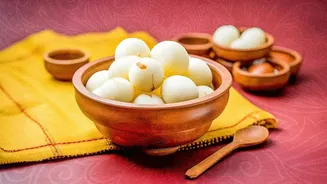
Syrup/Based Sweets (Gulab Jamun, Rasgulla): These must be refrigerated and kept submerged in their syrup in a glass container. They can last up to a week this way. Freezing is generally not recommended as it can make cottage cheese (chhena) sweets like rasgulla tough and rubbery.
Ghee/Based Sweets (Mysore Pak): Thanks to the high ghee and sugar content, these are very stable. Store them in an airtight container at room temperature for up to two weeks. Avoid the fridge, which will cause the ghee to solidify and ruin the crumbly texture.