


Is your favourite houseplant looking a little tired? Before you commit to the messy, stressful job of a full repot, there is a simpler way to give it a new lease on life. This gentle refresh can revitalise your plant with minimal disruption.
Why Refresh When You Can Repot?
Over time,
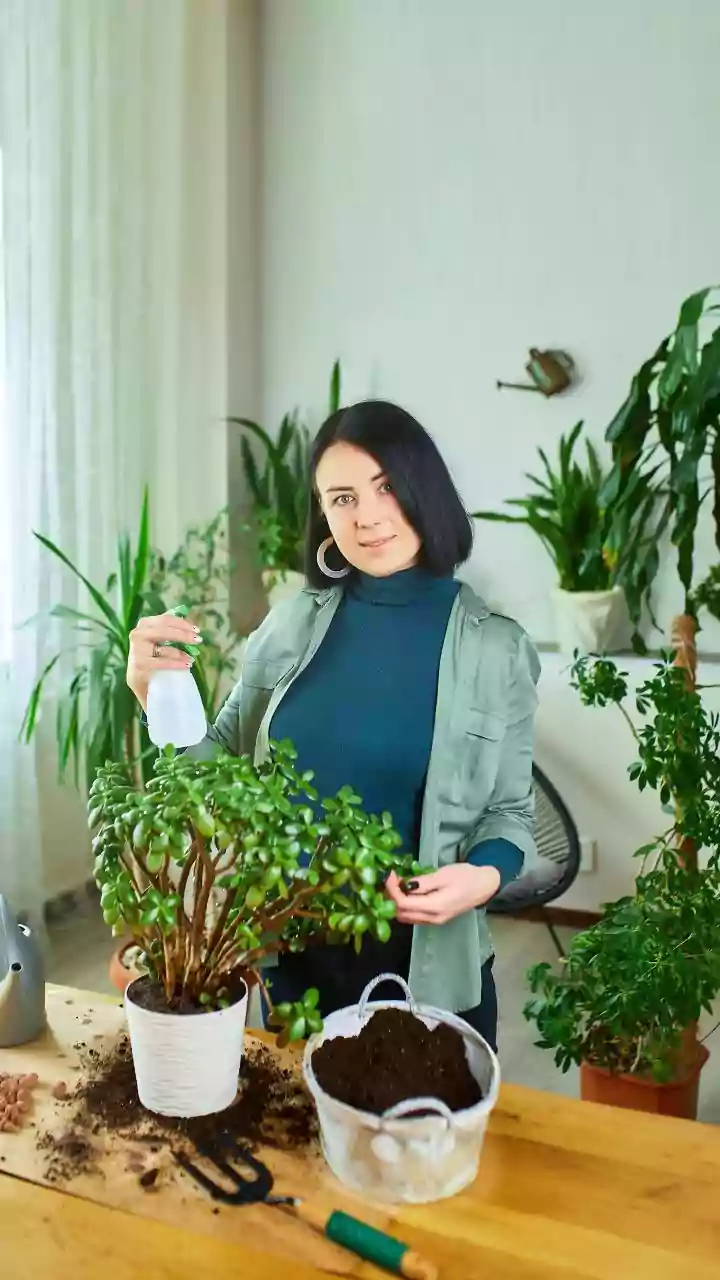
the growing medium in a pot becomes depleted and compacted. Organic matter breaks down, nutrients wash away with watering, and the soil structure collapses, reducing aeration for the roots. While repotting into a larger container is necessary when a plant is root-bound, sometimes the pot size is still perfect, or the plant is too large and difficult to move. In these cases, a full repot can cause unnecessary shock and stress to the root system. Refreshing the top layer of soil, a technique known as 'top dressing', offers a fantastic middle ground. It replenishes lost nutrients and improves soil structure without disturbing the core root ball, making it a much gentler option for an established plant.
The Right Time for a Refresh
Timing is crucial for any plant care task. The ideal window to top dress your potted plants is in the late winter or early spring, just before the main growing season begins. This ensures a fresh supply of nutrients is available right when the plant starts to produce new growth. Avoid performing this task when the plant is dormant, as it will not be able to utilise the new nutrients effectively. A plant that is actively growing will recover much faster from any minor root disturbance. Signs that your soil is depleted and ready for a refresh include a visible gap between the soil and the pot's edge, water running straight through without soaking in, or a crusty, pale surface.
Gathering Your Simple Toolkit
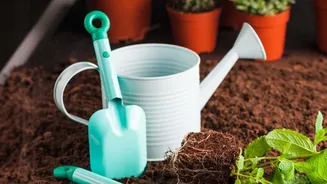
You do not need an extensive collection of tools for this task. The essentials are simple and likely already on hand. You will need a small hand trowel or even a large spoon to gently remove the old soil. You will also want a separate container or wheelbarrow to create your new soil blend in. The key ingredients for your fresh mix are what really matter. A high-quality fresh potting mix is a great start. To supercharge it, consider adding finished compost for organic matter and worm castings, which are loaded with beneficial microbes. For a slow, steady release of food, a balanced granular fertiliser is an excellent addition. If your old soil was heavily compacted, mixing in some perlite can improve aeration and drainage in the new layer.
A Step-by-Step Guide to Top Dressing
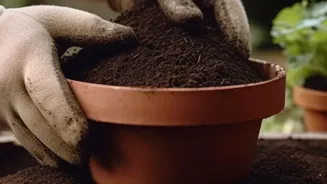
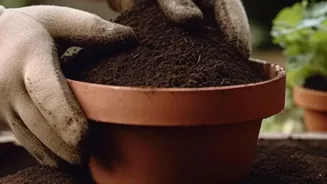
This process should take only a few minutes per plant. First, use your trowel or spoon to gently scrape away the top one to two inches of old soil from the pot. Be careful to avoid digging too deep or tearing at the main roots; if you hit a thick web of roots, that is your cue to stop. Discard this old, depleted soil. Next, in your separate container, mix your fresh ingredients. A good ratio to start with is two parts compost or fresh potting mix to one part worm castings, along with a sprinkle of granular fertiliser according to the package directions. Moisten the mix slightly before adding it to the pot. Carefully add your new soil mix into the space you created, spreading it evenly across the surface. Do not pile soil up against the plant's stem, and be sure to leave a small gap at the top of the pot to prevent water from spilling over during watering. Finally, water the plant lightly to help the new layer settle in.
Aftercare and What to Expect
Following the refresh, keep a close eye on your plant's watering needs. The new, loose top layer will likely hold moisture differently than the compacted soil beneath it. Before watering, use your finger to check the moisture level an inch or two below the new layer to ensure the core root ball is actually dry. Over the next few weeks, the nutrients from your top dressing will slowly work their way down to the roots with each watering. You should soon be rewarded with signs of healthier, more vigorous growth as the plant enters its active season. This simple act of refreshing the soil can make a significant difference, reviving a tired-looking plant and setting it up for a successful season without the drama of a full-scale repotting.