






A Pinch of Plastic
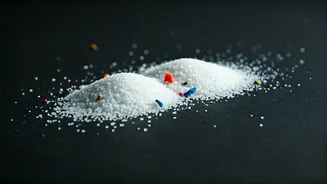
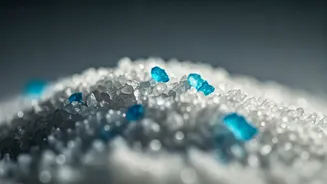
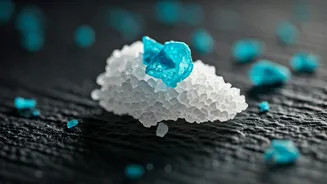
The idea that our salt contains plastic might seem alarming, and scientific studies have confirmed it's not just a baseless fear. Research from around the globe has consistently found tiny plastic particles, smaller than five millimetres, in the majority
of table salt brands. One comprehensive study, conducted by researchers in South Korea and Greenpeace, analysed 39 salt brands from 21 countries and found microplastics in over 90% of them. The concentration varies, with some brands having more than others, but the presence is widespread. Closer to home, a study by the environmental group Toxics Link also found microplastics in all tested Indian brands of salt and sugar, both packaged and loose. This has prompted the Food Safety and Standards Authority of India (FSSAI) to launch a project to better understand the scale of contamination within the Indian food supply.
The Journey into the Saltshaker
How does plastic, a man-made material, end up in a natural mineral? The primary culprit for sea salt is the vast plastic pollution in our oceans. Over time, larger plastic items like bottles, bags, and fishing nets break down into minuscule fragments. Sea salt is produced by evaporating seawater, a process that concentrates not just the salt but also these tiny, non-biodegradable plastic particles. The more polluted the source water, the more contaminated the resulting salt is likely to be. But it’s not just sea salt. Even rock salt, which is mined from ancient, dried-up seabeds that existed long before the plastic era, has been found to contain microplastics. In this case, contamination is believed to happen during the modern processes of mining, milling, transport, and packaging, where plastic equipment and even airborne plastic fibres can introduce particles into the final product.
Are Some Salts Safer?
With microplastics found in different types of salt, a natural question arises: is any variety safer than another? Generally, studies have shown that sea salt tends to have the highest concentration of microplastics, followed by lake salt, with rock salt typically having the lowest levels. This aligns with the understanding that direct contamination from polluted water is a major pathway. However, the picture is not always so clear-cut. Some studies have found surprisingly high levels of microplastics in certain terrestrial salts, including Himalayan pink salt, suggesting that processing and handling can be a significant contamination factor, sometimes even more so than the original source. The Indian study by Toxics Link, for instance, found the lowest concentration in organic rock salt and the highest in a brand of iodised salt, highlighting the variability within the market.
The Unanswered Health Question
The discovery of microplastics in our food is concerning, but what does it actually mean for our health? The honest answer is that scientists are still working to figure that out. We know that we are ingesting these particles, and they have been detected in human blood, lungs, and even placentas. Laboratory and animal studies have linked exposure to issues like inflammation and metabolic disturbances. Another concern is that plastics can absorb and carry other harmful chemicals, like pesticides and heavy metals, potentially releasing them in the body. However, a direct causal link between the low levels of microplastics consumed through food and specific diseases in humans has not yet been established. Health organisations currently state that more research is needed to fully understand the long-term risk.