


The Hidden Power in the Peel
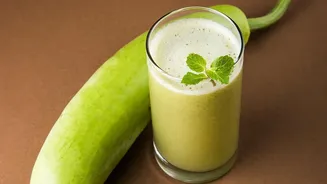
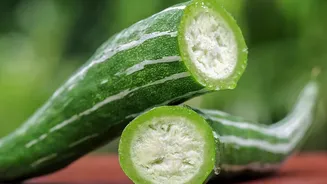
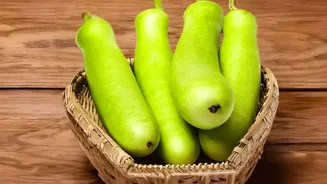
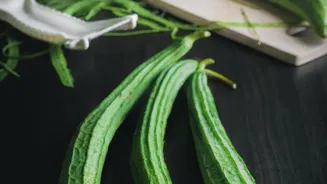
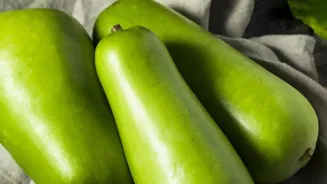
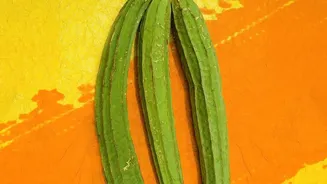
That familiar green skin of the humble lauki is more than just a protective layer; it's a powerhouse of nutrition. Experts note that vegetable peels are often packed with nutrients that the flesh may have in smaller quantities. The peel of a bottle gourd
is a fantastic source of dietary fibre, which is essential for good digestion and gut health. Studies have also shown that the peel contains significantly more antioxidants than the pulp, which help the body fight cellular damage. It's also rich in vitamins and minerals, including Vitamin C, potassium, calcium, and iron. By throwing the peel away, we are discarding a valuable, edible, and nutrient-dense part of the vegetable.
From Kitchen Scrap to Crispy Kebab
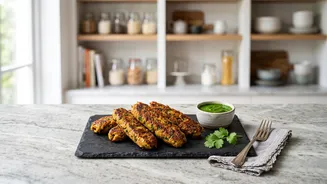
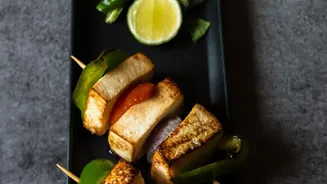
The idea of eating vegetable peels might seem unusual, but a simple and flavourful kebab proves it can be a culinary delight. Bottle gourd peels have a neutral taste, making them a versatile ingredient that readily absorbs the spices you cook with. When combined with a binding agent like gram flour (besan) and a medley of common Indian spices, the peels transform into crispy, savoury kebabs that are perfect as an evening snack or an appetiser. Not only are they delicious, but they are a testament to how creative cooking can embrace a zero-waste philosophy, turning something destined for the bin into the star of the plate.
How to Make Bottle Gourd Peel Kebabs
Making these kebabs is surprisingly simple. First, thoroughly wash the bottle gourd before peeling to remove any dirt or residue. Finely chop the peels or give them a quick pulse in a food processor. Some cooks prefer to briefly boil or steam the peels to soften them, then squeeze out any excess water. In a mixing bowl, combine the chopped peels with a binding agent like besan, roasted gram flour (sattu), or even soaked chana dal. Add finely chopped onions, green chillies, ginger, and fresh coriander. Season generously with salt, turmeric, red chilli powder, garam masala, and perhaps a pinch of chaat masala for tanginess. Mix everything until it forms a firm, mouldable mixture. If it feels too wet, add a little more flour. Shape the mixture into small, flat patties and shallow-fry them on a hot tawa with a bit of oil until they are golden brown and crisp on both sides. Serve them hot with mint chutney or your favourite sauce.
Beyond Lauki: Other Peels to Repurpose
The zero-waste mindset doesn't stop with bottle gourd. Many other vegetable peels are perfectly edible and delicious. Potato and carrot peels can be tossed in oil and spices and baked into crunchy crisps. Cucumber peels, rich in silica and antioxidants, can be blended into chutneys or added to salads for extra crunch. The tough outer skin of a pumpkin or butternut squash can be finely chopped and cooked down into chutneys and pickles. Even onion skins and other vegetable offcuts can be collected in a bag in the freezer and later boiled with water and herbs to create a flavourful homemade vegetable stock, eliminating the need for store-bought cubes.
Embracing a Waste-Free Kitchen
Reducing kitchen waste is one of the most impactful changes a household can make. It's not just about saving money on groceries; it’s about respecting the resources that go into growing our food. Simple habits like planning meals for the week, storing produce correctly to prolong its life, and finding creative uses for leftovers can drastically cut down on what ends up in the bin. Cooking with scraps like vegetable peels is a principle that was once common in traditional Indian kitchens, born from a wisdom of resourcefulness. By reviving these practices, we not only add new flavours and nutrients to our diet but also take a meaningful step toward a more sustainable lifestyle.