





What 'Eating Seasonally' Really Means
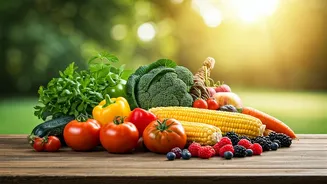
Before we dive into the 'why,' let's clarify the 'what.' Eating seasonally means choosing fruits and vegetables that are naturally harvested in your geographic region at that specific time of year. For generations, this was just how people ate. Today,
with global supply chains, we can buy strawberries in December and pumpkins in April. While convenient, this modern miracle comes with trade-offs. Seasonal eating is a gentle return to that natural rhythm, prioritising produce that hasn’t travelled thousands of kilometres or been grown in an artificial environment. It’s about eating food at its absolute peak, just as nature intended.
Peak Flavour Meets Peak Nutrition
The number one reason experts champion seasonal food is its superior nutritional profile and taste. When produce is allowed to ripen naturally on the vine or in the ground, it develops its full spectrum of vitamins, minerals, and antioxidants. A sun-ripened mango, for instance, has more time to build up the vitamin C and other phytonutrients that give it its vibrant colour and sweet flavour. Conversely, produce picked prematurely to withstand long-distance shipping is often less nutrient-dense. It might be artificially ripened using ethylene gas, which helps it gain colour but not the full nutritional complexity or flavour of a naturally matured fruit. So, that juicy, flavourful seasonal bite isn't just more delicious—it's likely more nutritious, too.
It's Kinder to Your Wallet
Following the seasons can also lead to significant savings at the grocery store. Basic economics of supply and demand are at play here. When a crop is in season, it's abundant. Farmers have a surplus to sell, which drives down the price for consumers. You'll notice that items like corn, zucchini, and berries are much cheaper in the summer months when they're being harvested locally. On the other hand, buying those same items out of season means you're paying a premium for the transportation, refrigerated storage, and complex logistics required to get them to your plate. By planning your meals around what's plentiful and affordable, you can eat better for less.
A Lighter Environmental Footprint
The choice to eat seasonally has a ripple effect that extends beyond your health and budget to the planet itself. Out-of-season produce often carries a heavy environmental cost. It requires significant energy to transport it across countries and continents, contributing to a larger carbon footprint from 'food miles.' Furthermore, growing produce in artificial, climate-controlled greenhouses during the off-season demands massive amounts of energy for heating and lighting. By choosing local, seasonal foods, you support a more sustainable food system that works in harmony with the environment rather than against it, reducing energy consumption and pollution.
How to Start Eating Seasonally
Making the switch doesn't have to be complicated. Start small. A great first step is to visit your local farmer's market or 'mandi'. Talk to the vendors and ask what's fresh and at its peak. In the supermarket, look for signs indicating local produce or check for produce that is on sale—this is often a clue that it's in season. You can also do a quick online search for a seasonal food guide for your region in India. Be adventurous and try a vegetable you haven't cooked with before when you see it in abundance. Embracing seasonal eating also encourages variety in your diet throughout the year, which is another cornerstone of good nutrition.