









The New Digital Frontier
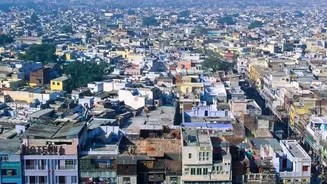
The next chapter of India's economic expansion is being authored not in Mumbai or Bengaluru, but in cities like Jaipur, Indore, Lucknow, and Coimbatore. These Tier-2 and Tier-3 cities are no longer just a footnote in corporate strategy; they are the headline.
With rural India's active internet user base growing at double the rate of urban areas, the digital landscape has fundamentally shifted. This explosive growth in connectivity, powered by affordable smartphones and cheap data, means millions of new consumers are coming online. They represent a vast, untapped market, and tech companies across e-commerce, fintech, and IT services are taking notice. In fact, more than half of all government-recognised startups now originate from these smaller cities, signaling a democratisation of entrepreneurship.
Aspiration Meets Accessibility
What truly defines this new consumer base is aspiration. Thanks to digital exposure, the lifestyle goals of someone in a smaller town now mirror those in a metro. They want access to the same brands, products, and services, from premium gadgets and fashion to quick commerce and online education. Technology is the bridge making this possible. E-commerce platforms are no longer just a convenience; for many in these regions, they provide access to goods that are simply unavailable in local stores. This has turned e-commerce from a replacement for offline shopping into a channel for entirely new consumption, with over 60% of all online transactions now originating from non-metro markets.
Cracking the Hyperlocal Code
Successfully tapping into this market requires more than just a translated app. Companies are realizing that a one-size-fits-all metro strategy doesn't work. The key is localisation. This includes offering interfaces in vernacular languages, creating content that resonates with regional culture, and tailoring product assortments. For example, quick commerce platforms like Blinkit are expanding to cities like Jammu, stocking region-specific groceries and other daily needs. Trust is another crucial factor. In these markets, community influence and word-of-mouth are powerful drivers, often more so than slick digital ad campaigns. Brands that invest in building local relevance and demonstrating transparency are finding more loyal and engaged customers.
The Fintech and E-commerce Boom
Fintech and e_commerce are at the forefront of this expansion. The Unified Payments Interface (UPI) has become a cornerstone of daily life, with its adoption in smaller cities driving a massive surge in digital transactions. According to a Visa report, card spending in some non_metro categories has grown more than four times faster than in metros since 2019. This digital payment maturity has fueled a boom in online shopping. E_commerce giants like Flipkart and Amazon, alongside platforms like Meesho, report that a majority of their new customers and orders come from Tier_2 and Tier_3 cities. Companies like Swiggy are also expanding beyond just food, aiming to become an 'operating system for daily life' with grocery and other services for these new markets.
Beyond Consumers: The Talent Advantage
The focus on smaller cities isn't just about finding new customers; it's also about finding talent. IT firms like Wipro and Tech Mahindra are actively setting up offices and encouraging employees to work from cities like Bhubaneswar, Jaipur, and Coimbatore. The rationale is twofold. Firstly, it allows them to tap into a skilled talent pool that might be hesitant to relocate to expensive and congested metros. Secondly, it presents a significant cost advantage. Employee salaries can be 25–30% lower, and real estate costs are often 50% cheaper than in established tech hubs like Bengaluru or Hyderabad. This makes it a strategic move for companies looking to optimise operations while accessing a hungry and diverse workforce.