



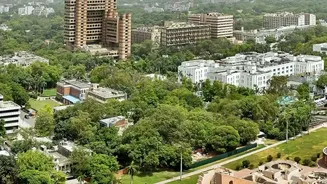


Choosing a city for your golden years involves more than just pleasant weather and affordable living. The quality of public spaces and the ease of walking are crucial for a healthy, independent, and socially connected retirement.
Beyond the Brochure: The Value of Open Spaces
When planning for retirement,
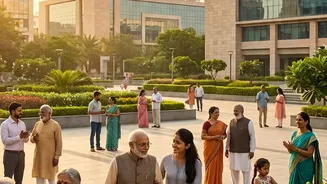
factors like healthcare access and cost of living are top priorities. However, the availability of well-maintained parks, green spaces, and public squares plays a vital role in daily well-being. Regular exposure to nature is linked to reduced stress, lower anxiety, and an improved mood. For retirees, these spaces are not just for leisure; they are essential for gentle daily exercise like walking, which improves cardiovascular health and strengthens muscles. Furthermore, parks and community gardens become social hubs, offering opportunities to meet neighbours and combat the feelings of isolation that can sometimes accompany retirement. A morning walk in the park or an evening chat on a shaded bench can foster a deep sense of community and belonging.
What 'Walkability' Really Means for Seniors in India
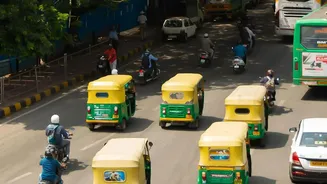
The concept of walkability extends far beyond just having footpaths. For a city to be truly walkable for seniors, its infrastructure must be safe, convenient, and accessible. This includes wide, even, and unobstructed pavements, the presence of ramps instead of just curbs, and adequate lighting for evening strolls. Safety from traffic is another critical element. A walkable neighbourhood is one where you can comfortably get to essential services—like a pharmacy, a grocery store, or a doctor's clinic—on foot. The presence of shaded trees, benches for rest, and well-marked crossings can make a huge difference in encouraging older adults to stay active and independent. Unfortunately, many Indian cities have historically prioritised cars, but some are now making conscious efforts to improve pedestrian infrastructure.
Cities That Are Getting It Right
While no city is perfect, several Indian cities are recognised for their planned layouts and commitment to green spaces, making them attractive for retirees. Chandigarh, with its sector-based design, wide roads, and abundant parks, is often highlighted for its high standard of living and pedestrian-friendly environment. Pune is another strong contender, balancing a pleasant climate and cultural richness with good medical infrastructure and walkable historic neighbourhoods. In the south, Mysore is praised for its calm pace, clean environment, abundant greenery, and low-rise layout that makes it highly walkable. Cities like Coimbatore and Kochi are also noted for their blend of good healthcare and access to green, peaceful environments. Even cities like Chennai are undertaking significant projects to create more pedestrian-friendly streets.
How to Conduct Your Own Walkability Audit
Before making a final decision, it's essential to visit your shortlisted cities and assess them from a pedestrian's perspective. Here's a practical checklist: Spend time walking around a potential neighbourhood at different times of the day. Are the footpaths even and free of obstructions? Look for senior-friendly features like ramps, benches, and public toilets. Time your walk to the nearest grocery store, pharmacy, and park. Note the quality of the lighting at night and the general sense of safety. Observe if other seniors are out walking, as this indicates a comfortable environment. Finally, assess the accessibility of public transport from the area. Visiting in person provides a real_world feel that brochures and websites cannot capture.