







Who is a Booth Level Officer?
A Booth Level Officer (BLO) is a local government or semi-government official appointed by the Election Commission of India (ECI) to serve as its representative at the grassroots level. Typically, they are teachers, anganwadi workers, or other local functionaries
who are familiar with the residents of a specific polling area. The concept was introduced in 2006 to create a clear line of accountability for maintaining an accurate and error-free electoral roll. The BLO is responsible for one specific electoral roll part, which corresponds to a single polling booth, and acts as the custodian of that list, ensuring it remains clean and up-to-date.
The Door-to-Door Verification Process
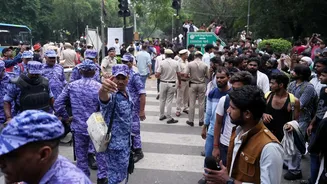
The most visible duty of a BLO is the physical, house-to-house verification of voters. This exercise is a core part of processes like the Special Summary Revision (SSR) or the more thorough Special Intensive Revision (SIR) of electoral rolls, which are conducted periodically by the ECI. During these drives, the BLO visits every home within their designated polling area to confirm the details of existing voters. They check for residents who have permanently shifted, passed away, or have duplicate entries in the list. This field verification is mandatory and allows the BLO to report their findings directly to the Electoral Registration Officer (ERO) for further action. If a household is locked, BLOs are instructed to make multiple repeat visits to ensure no one is left out.
Adding New Voters and Making Changes
A key part of the verification process is facilitating new registrations and correcting existing data. The BLO carries various forms for citizens. Form 6 is used for new voter registration, especially for those who have turned 18. Form 7 is for objecting to an inclusion or requesting the deletion of a name, such as in the case of a death. Form 8 is used for corrections to details like name, address, or photo, or for registering a change of address within the same constituency. The BLO assists citizens in filling out these forms, collects them, and carries out the initial physical verification before submitting them to the ERO. This ensures that applications are legitimate and based on facts gathered on the ground.
Identifying and Removing Ineligible Entries
Maintaining the purity of the electoral roll means actively identifying and removing what are known as 'Absent, Shifted, Dead, and Duplicate' (ASDD) voters. Through local knowledge and interaction with residents, the BLO identifies voters who no longer live at the registered address or are deceased. For any proposed deletion, a strict due process is followed. A formal notice must be issued, giving the person a chance to be heard before their name is removed, except in confirmed cases of death. The process is designed to be transparent, involving Booth Level Agents (BLAs) appointed by political parties who can accompany the BLO and flag any discrepancies.
The Role of Technology
In recent years, technology has become an indispensable tool for BLOs. The Election Commission has rolled out applications like the Garuda app, which allows for the digital mapping of polling stations using GPS coordinates. Using this app on their smartphones, BLOs can digitally update voter information, reducing paperwork and speeding up the process. They can upload photos and location details of polling stations, and also log information about the facilities available, such as ramps and drinking water. This move towards digitisation aims to make the entire verification process smarter, faster, and more transparent.