





Why Airing Out Works Wonders
The idea of 'cleaning' clothes with air might sound too simple to be true, but it's grounded in the science of fabric care. Many natural fibres, especially wool, are inherently antimicrobial and odour-resistant. These fibres are designed by nature to manage
moisture. When you wear a sweater, it absorbs perspiration and environmental odours. Hanging it in a well-ventilated space allows this trapped moisture to evaporate, taking many of the odour-causing molecules with it. Fresh air circulation naturally resets the fabric without the stress of a full wash cycle, which can strip natural oils like lanolin from wool and weaken fibres over time. This gentle process not only deodorises but also helps garments maintain their shape and texture for much longer.
The Best Fabrics for a Fresh Breeze
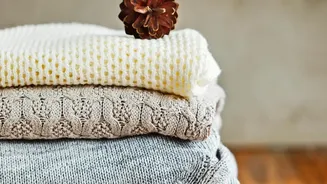
While many garments benefit from airing, some are particularly well-suited for it. Wool and cashmere are prime candidates; their natural properties make them almost self-cleaning. Instead of frequent washing, simply letting them air out for a day after wearing can be enough to keep them fresh. Denim is another excellent choice. Over-washing jeans can cause them to fade and lose their shape, but a good airing can refresh them between wears. Heavy coats and jackets, which are difficult to wash at home, can also be deodorised effectively with fresh air. However, this method is less effective for synthetic fabrics like polyester and nylon, as their non-breathable fibres tend to trap oils and odours more persistently. For those, a proper wash is usually necessary.
The Proper Airing Technique
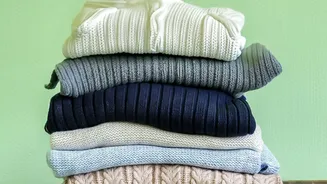
To get the most out of airing your clothes, a little technique goes a long way. For woven items like coats and jackets, use a sturdy, wide hanger to support the garment's shape and hang it outside or near an open window. For knitted items like sweaters, which can stretch if hung, it is better to lay them flat on a clean, dry surface like a bed or a drying rack. An hour is often enough to notice a difference, but leaving them overnight in a dry, breezy spot can work wonders. While sunshine has natural disinfecting properties, it's best to keep colourful and dark garments out of direct sunlight to prevent fading. If you live in a humid area, hanging a garment in the bathroom while you take a hot shower can also work, as the steam helps release wrinkles and odours.
When a Wash Is Still Essential
Airing is a powerful maintenance tool, but it is not a replacement for washing. It's crucial to know when a garment has moved beyond a simple refresh and requires a deep clean. Visible dirt, food spills, or stubborn stains are clear indicators that it's time for a wash. If a garment has persistent odours that don't dissipate after a thorough airing, especially in areas like the underarms, it's time to launder it according to the care label. Always clean clothes before long-term storage at the end of the season, as residual body oils and dirt can attract pests like moths and may lead to fabric discoloration over time. Think of airing as the daily upkeep and washing as the periodic deep clean needed to maintain true hygiene.
Extending Care Beyond the Wardrobe
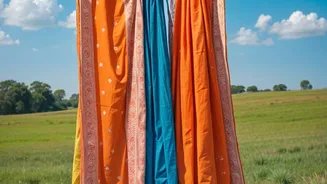
The principle of refreshing with air isn't limited to just sweaters and coats. Other bulky winter textiles that are a challenge to wash frequently can also benefit. Think of heavy blankets, quilts, and even curtains that can absorb household smells. On a dry, sunny day, hanging these items outside for a few hours can do wonders to eliminate mustiness and bring a sense of freshness back into your home. The UV rays from the sun can help kill bacteria and dust mites, which is an added hygienic benefit, especially for bedding. Just as with clothing, be mindful of prolonged sun exposure on brightly coloured fabrics. This simple, energy-free habit can help keep your entire home feeling cleaner and more pleasant throughout the winter months.