






The Calorie Question
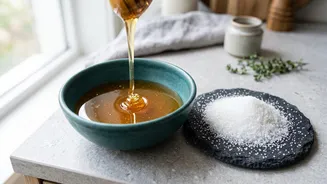
On the surface, sugar seems to have the edge. A teaspoon of granulated white sugar contains about 16-19 calories. In contrast, a teaspoon of honey has around 21-22 calories. This is because honey is denser than sugar; a teaspoon of honey actually weighs
more than a teaspoon of sugar. However, honey is also sweeter, which means you might use less of it to achieve the same level of sweetness, potentially evening out the calorie difference in practice. The key takeaway is that both are sources of added sugar and should be used in moderation.
A Look at Nutritional Value
This is where honey starts to pull ahead. Table sugar, or sucrose, is what nutritionists call 'empty calories'. It's composed of 50% glucose and 50% fructose bonded together, but it contains no vitamins, minerals, or antioxidants. Raw honey, on the other hand, is a different story. While it is also primarily made of fructose and glucose, it contains trace amounts of vitamins, minerals like potassium and iron, amino acids, and powerful antioxidants called flavonoids and polyphenols. These are the same kinds of beneficial compounds found in berries and green tea.
Impact on Blood Sugar
The glycemic index (GI) measures how quickly a food raises blood sugar levels. Table sugar has a GI of around 65, which is considered medium to high. Honey generally has a slightly lower GI, typically ranging from 55 to 60, though it varies by type. Some specific honeys, like acacia, can have a much lower GI. This means honey may cause a slower, more gradual rise in blood sugar compared to the sharper spike from sugar, which could be beneficial. However, both will still raise blood sugar, and people with diabetes should consume either with caution and consult a doctor.
The Hot Tea Dilemma
Many of honey's unique benefits, particularly in raw honey, come from its delicate enzymes and compounds. There is a debate about whether adding honey to boiling hot tea destroys these properties. High heat, especially temperatures above 60°C, can degrade these beneficial enzymes and reduce antioxidant levels. To preserve the maximum nutritional value, it's best to let your tea cool for a few minutes until it's comfortably warm before stirring in the honey. However, even in hot tea, honey retains meaningful antimicrobial properties, which is why it remains a popular and effective remedy for soothing a sore throat.
Beyond the Sweetness
Honey's benefits aren't just theoretical. It has been used for centuries as a natural remedy. Its proven antibacterial and anti-inflammatory properties make it an excellent choice for soothing coughs and sore throats. Some studies suggest the specific antibacterial compound methylglyoxal (MGO), found in high concentrations in Manuka honey, is particularly potent. Sugar, on the other hand, offers no such medicinal benefits. It's purely a sweetener, and excessive consumption is linked to health issues. It is important to note that honey should not be given to infants under one year old due to the risk of infant botulism.