




Decoding a Recipe's 'Total Time'
When a recipe lists 'prep time' and 'cook time', it’s easy to assume that’s the total commitment. However, recipe developers often calculate these durations under ideal conditions. 'Prep time' might only cover the assembly of ingredients, not the time it takes
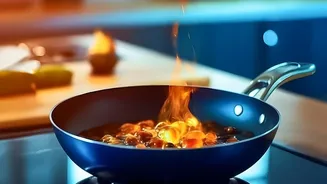
to wash, chop, and measure them. Similarly, 'cook time' refers to the period the dish is actively on the heat or in the oven. What's often missing is the significant time spent on other crucial, but less active, stages of the cooking process.
The Unseen Labour of 'Mise en Place'
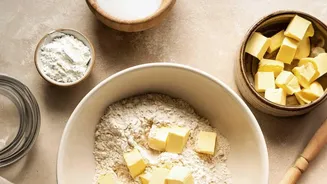
Professional kitchens run on a principle called 'mise en place', a French term meaning 'everything in its place'. This means every ingredient is prepped—chopped, measured, peeled—and ready before cooking begins. Most recipes are written with the assumption that the home cook has already done this. If the ingredient list says "one cup of diced onion," the prep time likely doesn't include the five minutes it takes you to actually peel and dice that onion. This assumed pre-preparation is one of the biggest sources of time underestimation. An experienced chef with sharp knife skills can prep vegetables in a fraction of the time it might take an average home cook, a variable that recipes simply can't account for.
The Waiting Game: Inactive but Essential Time
Many recipes involve 'inactive time', which is rarely factored into the headline duration. This includes crucial steps like marinating meat, letting dough rise, resting a steak after cooking, or chilling a dessert before serving. A recipe might call for a chicken to marinate for at least two hours, but this won't be part of the '30-minute' cook time. These waiting periods are essential for flavour development and texture. For example, resting meat allows the juices to redistribute, resulting in a more tender and flavourful result. Skipping these steps to save time will almost always compromise the quality of the final dish.
Don't Forget the Cleanup
No recipe ever includes the time it takes to clean up the aftermath. The bowls from your 'mise en place', the cutting boards, the greasy pans, and the splatters on the stovetop all require time and effort. This can easily add another 15 to 20 minutes to your total kitchen commitment, especially for more complex meals. A one-pan dish might have a quicker cleanup, but a multi-step recipe can leave your sink piled high. Factoring this in from the start provides a more realistic picture of the entire cooking experience, from pulling out the ingredients to wiping the last counter.
How to Plan Your Cooking More Realistically
To avoid the frustration of a recipe taking twice as long as promised, a new approach is needed. First, read the entire recipe from start to finish before you do anything else. Look for keywords like 'marinate,' 'rest,' 'chill,' or 'at room temperature,' as these indicate hidden time sinks. A good rule of thumb is to double the stated prep time to give yourself a realistic buffer for chopping and measuring. Be honest about your own skill level and how organized your kitchen is. Finally, think of recipe times as suggestions, not strict rules. Variables like your oven's true temperature, the type of pans you use, and even the humidity in your kitchen can alter cooking times. Use the visual and sensory cues mentioned in the instructions—like 'cook until golden brown'—as your primary guide.