





The Direct Hit: More Expensive Transport
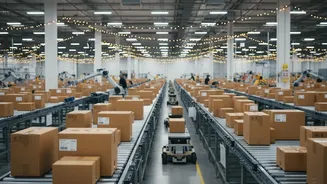
The most straightforward link between oil and food is transportation. India depends heavily on road transport to move goods, and this system runs on diesel. When global crude oil prices rise, domestic fuel prices follow, directly increasing the cost of
shipping produce from the farm to the mandi, then to wholesalers, and finally to your local kirana store or supermarket. This logistical cost is a significant part of the final price you pay for everything from fresh vegetables and fruits to grains and pulses. Because this cost is added at multiple points in the supply chain, even a small increase in diesel prices can have a multiplied effect by the time the food reaches your plate.
The Hidden Cost in the Fields
The impact starts long before the food is loaded onto a truck. Modern agriculture is heavily dependent on diesel. Farmers use it to power tractors for ploughing and harvesting, and crucially, to run irrigation pumps that water the crops. In many parts of rural India, especially where access to electricity is inconsistent, diesel-powered pumps are essential for cultivation. A hike in fuel prices means the cost of tilling the land and watering the fields goes up, increasing the overall cost of cultivation. This puts immense financial pressure on farmers, particularly small and marginal ones, who may be forced to pass these costs on or face reduced profits.
From Fertilisers to Packaging
The influence of crude oil extends even further into the agricultural supply chain through petroleum byproducts. Many chemical fertilisers, which are vital for crop yields, are produced using energy-intensive processes that rely on natural gas and other petroleum derivatives. As energy prices rise, so does the cost of producing these essential farm inputs. Furthermore, many forms of modern food packaging, from plastic pouches for milk and spices to containers for snacks and frozen foods, are made from petrochemicals. Higher oil prices can lead to increased costs for these packaging materials, which manufacturers then pass on to consumers. Even food additives and preservatives can have roots in petroleum, adding another layer of cost pressure.
Which Foods Are Most Vulnerable?
While the impact is broad, some food items are more sensitive to fuel price fluctuations than others. Perishable goods like fruits and vegetables, which require quick transportation to avoid spoilage, are immediately affected by higher logistics costs. Similarly, food grains from regions heavily reliant on diesel pumps for irrigation will also see a more direct impact on their base cost. Edible oils are another category to watch. Since India imports a significant portion of its edible oil, global price movements, coupled with higher processing and packaging costs linked to petroleum, can lead to a sharp rise in the prices of sunflower, soy, and palm oil.
The Cumulative Effect on Your Wallet
For the average Indian household, these individual price pressures combine to create a significant strain on the monthly budget. Food and fuel are non-negotiable expenses, and when their costs rise simultaneously, it directly fuels retail inflation. An increase of just a few rupees per litre of diesel ripples through the economy, making vegetables, dal, cooking oil, and even processed snacks more expensive. According to the Reserve Bank of India, a 10% rise in crude oil prices can potentially increase consumer price inflation by about 0.3 percentage points, assuming the costs are fully passed on. This erodes purchasing power and forces families to make difficult choices, often cutting back on discretionary spending to cover essential food bills.