





The Urban Heat Island Effect
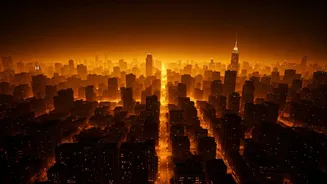
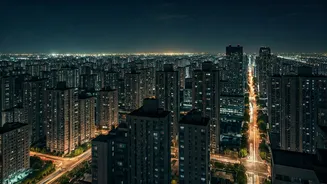
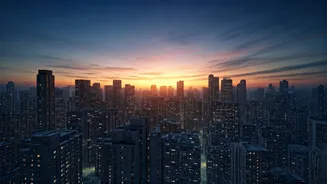
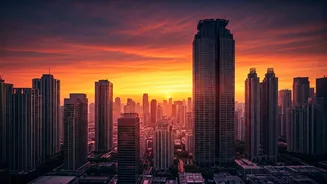
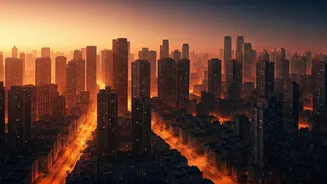
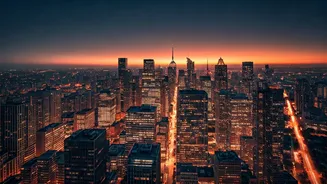
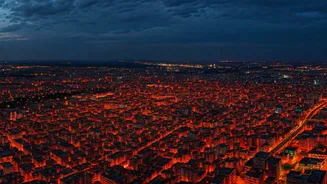
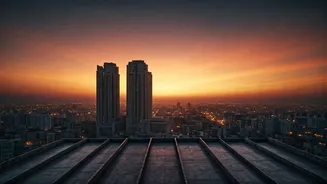
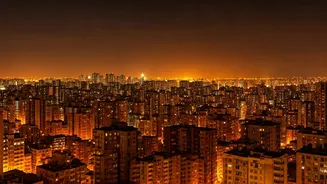
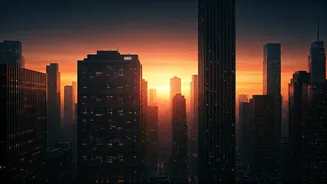
The primary reason our cities stay hot is a phenomenon called the Urban Heat Island (UHI) effect. In simple terms, this means that metropolitan areas are significantly warmer than the surrounding rural areas, especially after sunset. This happens because
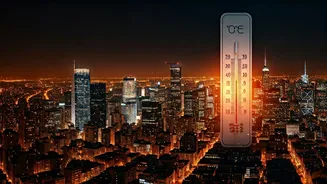
cities are fundamentally designed with materials that absorb and retain heat. While daytime temperatures might be high everywhere, the dense, built-up environment of a city prevents it from cooling down effectively at night. Studies show that nighttime temperatures in Indian cities are rising about twice as fast as in the surrounding non-urban areas.
A World of Concrete and Asphalt
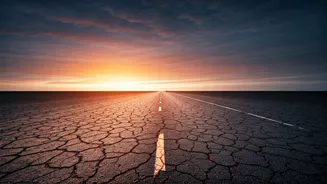
Think about the materials that make up a city: concrete for buildings, asphalt for roads, and glass for facades. These materials have a low albedo, meaning they absorb a large amount of solar radiation during the day instead of reflecting it. Unlike natural surfaces, they act like giant sponges for heat. When evening comes, they slowly release this stored thermal energy back into the air, keeping the ambient temperature high long after the sun has disappeared. This process is why you can feel heat radiating from a pavement or a brick wall hours after dark. Studies show that asphalt can reach surface temperatures much higher than the air temperature and releases that heat slowly.
The Vanishing Green and Blue
Rapid urbanisation has come at the cost of green spaces like parks, forests, and wetlands. These natural elements play a crucial role in cooling the environment through a process called evapotranspiration, where plants release water vapour into the air. Trees provide essential shade, preventing surfaces from absorbing heat in the first place. As cities expand, these natural air conditioners are replaced with heat-absorbing structures. The loss of water bodies like lakes and ponds, which have a natural cooling effect, further exacerbates the problem, leaving the concrete jungle with no way to cool itself down.
A Blanket of Pollution and Waste Heat
The problem isn't just what our cities are made of, but also what they produce. Air pollution can create a blanket over the city, trapping heat that would otherwise escape into the atmosphere. Furthermore, our daily activities generate a tremendous amount of 'waste heat'. The heat exhausted from millions of air conditioners, the engines of countless vehicles stuck in traffic, and industrial processes all contribute to warming the air around them. This creates a vicious cycle: as the city gets hotter, the demand for air conditioning rises, which in turn pumps more hot air outside, further elevating urban temperatures.
The Human Cost of Warmer Nights
The inability of our cities to cool down at night has serious consequences. It disrupts sleep, impacts productivity, and poses significant health risks, especially for the elderly, children, and those with pre-existing conditions. The constant heat stress puts an extra burden on the heart and can lead to dehydration and heatstroke, even during the night. It also drives up energy consumption as more households rely on air conditioning, straining power grids and increasing electricity bills. This urban design flaw is turning our homes, particularly in low-income and poorly ventilated areas, into heat traps.