







Why Your Gut Needs a Hand
The monsoon, or 'Varsha Ritu' in Ayurveda, is a time when the environment is damp and the digestive system tends to be sluggish. Ayurvedic principles teach that our 'Agni', or digestive fire, is at its weakest during this season. Think of it as a flickering
flame struggling against the dampness in the air. Modern science offers a complementary view: the high humidity can slow down our metabolism, and the increased risk of water-borne bacteria puts our gut health under pressure. This combination makes us more susceptible to indigestion, bloating, and infections. Cold, raw foods are harder for a weakened digestive system to break down and can even harbour harmful microbes, making them a poor choice when your gut is already vulnerable.
The Power of a Warm Meal
This is where hot food comes to the rescue. The simple act of cooking food does several wonderful things for your body during the monsoon. Firstly, heat kills most of the harmful bacteria and germs that thrive in the damp environment, instantly making your meal safer. Secondly, warm, cooked food is partially broken down, making it significantly easier for your sluggish digestive system to process. Your body doesn't have to work as hard to extract nutrients, which means more energy for you and less chance of indigestion. Finally, warm foods and drinks help maintain your body temperature and improve blood circulation, which supports a robust immune response—your first line of defence against seasonal coughs and colds.
Ayurveda’s Monsoon Playbook
For centuries, Ayurveda has prescribed a specific diet for the rainy season that centres on this very principle. The recommendation is to favour foods that are light, freshly cooked, and warm. The ideal tastes for this season are sour, salty, and a little pungent, as they help stimulate the digestive fire. This is why ingredients like ginger, garlic, black pepper, turmeric, and lemon are monsoon superstars. They not only add flavour but also possess anti-inflammatory and anti-bacterial properties. A classic example is a simple bowl of moong dal soup or a lightly spiced khichdi. These dishes are nourishing, easy to digest, and warming from the inside out—the perfect antidote to the monsoon chill.
Your Upgraded Monsoon Menu
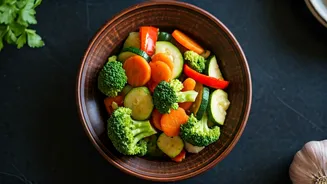
Upgrading your diet doesn't mean a complete overhaul. It’s about making smart, simple swaps. Instead of a cold salad for lunch, opt for a warm vegetable soup or a bowl of steamed vegetables with a sprinkle of pepper. Swap your morning glass of cold milk for a warm turmeric latte or a cup of herbal tea made with ginger, tulsi, and cinnamon. Instead of reaching for heavy, oily pakoras every time it rains, try steamed or pan-fried alternatives like muthias or dhoklas. A comforting bowl of dalia or a well-cooked vegetable stew can provide sustained energy and warmth. Think of your meals as opportunities to nourish and protect. Every warm, spiced dish is another step towards keeping yourself healthy and energetic through the season.
What to Gently Reduce
An upgrade is as much about what you add as it is about what you reduce. During the monsoon, it's wise to cut back on foods that can tax your digestive system or increase the risk of infection. This includes raw foods like salads and uncooked sprouts. Be cautious with dairy products like paneer and yoghurt, as they can be heavy to digest; if you do have them, ensure they are fresh and perhaps cooked into a dish. It’s also the season to be extra wary of street food, especially anything that has been left out in the open. While tempting, the risk of contamination is significantly higher. Reducing leafy greens, which can be hard to clean and carry dirt and germs, is also a traditional practice during this time.