




The Science of Smoothness
The magic of cold-brewing lies in its gentle, slow extraction process. When you use hot water, the heat aggressively pulls compounds from the tea leaves. This includes tannins and catechins, which are responsible for the bitter or astringent taste that
can sometimes overwhelm a brew. Cold water, on the other hand, works more selectively over several hours. It extracts fewer of these bitter compounds while still drawing out the natural sweetness and delicate aromatic molecules. Many of these aromatic compounds are volatile and can be damaged or lost with heat. By keeping things cool, you preserve the true character of the herb, resulting in a drink that is noticeably smoother, less acidic, and often naturally sweeter. This low-and-slow method also extracts caffeine more gradually, leading to a more balanced and mellow beverage.
Unlocking Lemongrass's Brightness
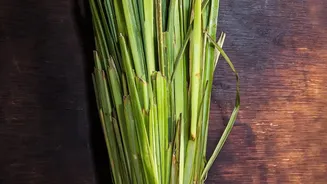
Lemongrass is prized for its bright, citrusy flavour, which comes from a compound called citral. This is the same compound that gives lemons their characteristic zest, but in lemongrass, it presents without the acidity of the fruit. When you brew lemongrass with hot water, you risk 'cooking' these delicate citral notes, which can flatten the flavour and introduce a slightly grassy or straw-like taste. Cold-brewing avoids this entirely. The cool, slow infusion carefully extracts the citral, preserving its vibrant, zesty, and slightly sweet character. The result is a lemongrass tea that tastes exceptionally clean and refreshing, highlighting its subtle herbal and gingery undertones without any of the harshness that heat can create. It’s the purest expression of the plant's flavour profile.
Revealing the Nuance of Tulsi
Tulsi, or Holy Basil, is a more complex herb with a fascinating flavour profile that can range from peppery and spicy to minty and clove-like. This complexity comes from a rich blend of essential oils, including eugenol (also found in cloves), camphor, and other terpenes. Because these compounds have different sensitivities to heat, hot brewing can sometimes cause one flavour to dominate the others. Cold-brewing offers a more balanced extraction. It gently coaxes out the full spectrum of flavours, allowing the cooling minty notes, the warm spice, and the sweet, earthy undertones to coexist harmoniously. Different varieties of Tulsi, like the peppery Krishna or the milder Rama, express themselves with greater clarity when cold-brewed. You get a cup that is not just a single note but a layered and aromatic experience, showcasing the herb’s celebrated adaptogenic character in a uniquely refreshing way.
Your Simple Guide to Cold-Brewing
Getting started with cold-brewing is incredibly simple and requires no special equipment. All you need is your herb of choice, water, a jar or pitcher, and some patience. Here’s a basic method to follow: 1. Choose Your Ratio: A good starting point is about 1 to 2 heaping teaspoons of dried lemongrass or tulsi per 240 ml (one cup) of water. You can adjust this based on how strong you like your tea. For a larger batch, use about 5-8 grams of herbs per litre of water. 2. Combine and Steep: Place your herbs in a clean glass jar or pitcher. Pour cold or room-temperature filtered water over them. Stir gently to ensure all the leaves are submerged. 3. Refrigerate and Wait: Cover the container and place it in the refrigerator. Let it steep for at least 6 hours, but ideally for 8 to 12 hours. Overnight works perfectly. Unlike hot tea, it's very forgiving; leaving it a bit longer won't make it bitter. 4. Strain and Serve: Once it has finished steeping, strain the herbs out using a fine-mesh sieve. Your cold brew is now ready to drink. Serve it over ice for an extra-chilled treat. It will keep well in the refrigerator for 2-3 days, though its flavour is at its peak in the first 24 hours.