





The Hidden Costs of Convenience
Frequent consumption of fast food comes with significant health risks. These meals are typically mass-produced, highly processed, and loaded with calories, unhealthy saturated and trans fats, sodium, and sugar. This combination can lead to a host of long-term
problems, including weight gain, obesity, type 2 diabetes, high blood pressure, and cardiovascular disease. The high levels of processed carbohydrates cause rapid spikes and crashes in blood sugar, leaving you feeling tired and irritable. Furthermore, a diet heavy in fast food often lacks essential nutrients and fibre, which can lead to digestive issues like constipation and an unhealthy gut microbiome.
The Thali: A Masterclass in Balance
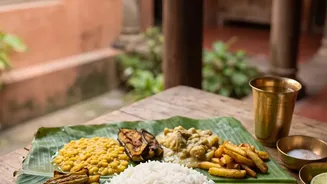
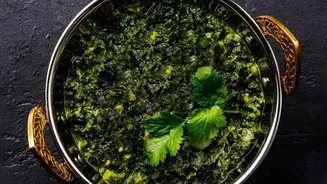
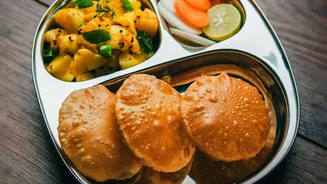
In stark contrast, the traditional Indian thali is a masterclass in balanced nutrition. It isn't just a meal; it's a complete system designed to provide a harmonious blend of macronutrients: carbohydrates, proteins, and fats. A typical plate includes a portion of complex carbohydrates like roti or rice for sustained energy, a protein source such as dal (lentils), paneer, or lean meat for muscle repair, and a variety of vegetables (sabzi) packed with fibre, vitamins, and minerals. This balanced structure, often recommended as half your plate with veggies, a quarter with protein, and a quarter with carbs, helps stabilize blood sugar and keeps you feeling full and satisfied, preventing overeating.
The Healing Power of Spices
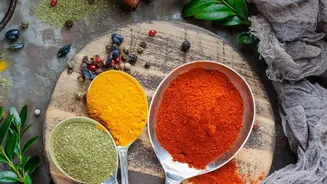
Indian cooking is renowned for its masterful use of spices, which do more than just add flavour. Many traditional spices are medicinal powerhouses. Turmeric, with its active compound curcumin, is a potent anti-inflammatory agent that has been linked to reduced risk of heart disease, improved brain function, and even cancer prevention. Cumin and ginger aid digestion and boost metabolism, while garlic is known for its natural antibiotic and heart-healthy properties. These spices work synergistically to cleanse the body, support immunity, and reduce the chronic inflammation often linked to modern diseases.
Smarter Cooking, Better Health
The methods used in home cooking also play a crucial role. Traditional Indian food preparation often involves techniques like steaming, boiling, and light sautéing, which help preserve the nutritional integrity of the ingredients, unlike the deep-frying common in fast food. Cooking at home gives you complete control over the ingredients, allowing you to limit oil, salt, and sugar. This mindfulness extends beyond the kitchen. The act of preparing and eating a home-cooked meal fosters a deeper connection with your food, encouraging you to eat more slowly and intuitively, which is beneficial for digestion and portion control.
A Foundation for Lifelong Wellness
Ultimately, the choice between a home-cooked Indian meal and a fast-food alternative is about more than a single meal. It's about building a foundation for lifelong wellness. A diet centred on fresh, whole foods like grains, lentils, and vegetables—the staples of Indian cuisine—provides the body with the essential tools it needs to thrive. It supports gut health, boosts immunity, helps manage weight, and protects against chronic illness. While fast food might offer a momentary fix, the time-tested wisdom of a balanced, home-cooked plate offers a far more rewarding investment in your long-term health.