





The Allure of the Protein-Packed Promise
Walk down any supermarket aisle, and you'll be met with a barrage of labels screaming "High Protein!". From bars and yogurts to chips and cookies, protein has become the undisputed king of snack food marketing. This isn't without reason; protein is a vital
macronutrient that helps build muscle, repair tissue, and keeps you feeling full and satisfied. A snack with a decent amount of protein can help stabilize blood sugar, prevent energy crashes, and curb overeating at your next meal. For many, a snack that offers 10 or more grams of protein seems like an automatic win. However, a snack's true value is a story told by its entire nutritional profile, not just a single, hyped-up ingredient.
Look for Fibre, Your Gut's Best Friend
One of the most overlooked, yet crucial, components of a satisfying snack is dietary fibre. Fibre is the part of plant-based foods that your body can't digest, and it plays a massive role in health. It aids digestion, promotes gut health, and, like protein, is a powerhouse for satiety. A snack that combines protein and fibre is the gold standard for lasting energy. This is why an apple with peanut butter or carrots with hummus keeps you fuller for longer than a processed protein bar with minimal fibre. When you're scanning a label, don't just stop at the protein count; look for at least a few grams of fibre to ensure your snack has staying power. Whole foods like fruits, vegetables, nuts, and seeds are excellent sources.
Beware of Hidden Sugars
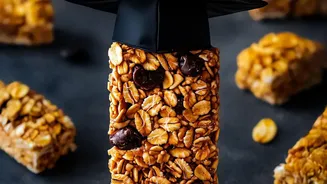
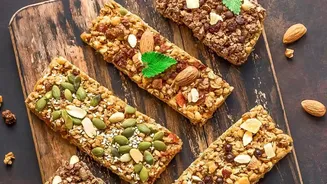
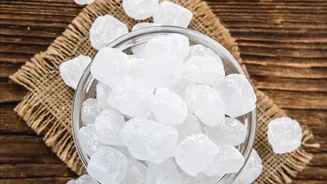
Here's the inconvenient truth: many so-called "healthy" protein snacks are little more than candy bars in disguise. To make these products palatable, manufacturers often load them with added sugars. It's not uncommon to find a protein bar or a flavoured yogurt with more grams of sugar than it has of protein. This sugar rush can lead to the very energy spike and crash you were trying to avoid. Always check the "Added Sugars" line on the nutrition label. Be wary of ingredients like high-fructose corn syrup, cane juice, agave nectar, and brown rice syrup. A truly healthy snack should have its added sugars in the low single digits. Opting for plain Greek yogurt and adding your own fruit is a simple way to control sugar intake.
Don't Fear Healthy Fats
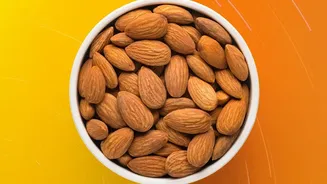
Fat has been unfairly demonized for decades, but the right kinds of fats are essential for a balanced diet and a satisfying snack. Healthy fats, like those found in nuts, seeds, and avocados, contribute to feeling full and can help slow down digestion, providing a steady release of energy. A handful of almonds or walnuts provides a powerful combination of protein, fibre, and healthy fats, making it a nearly perfect snack. While you should be mindful of portion sizes since fats are calorie-dense, incorporating them into your snacking routine helps create a more balanced and nourishing mini-meal. Combining a source of protein with a source of healthy fat, like cheese with whole-grain crackers or tuna mixed with avocado, is a strategy for long-lasting satisfaction.
The Ultimate Goal: Nutrient Density
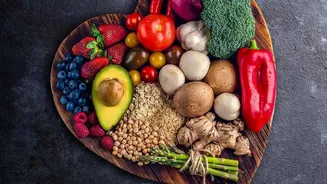
Ultimately, the goal is to choose snacks that are nutrient-dense. This term refers to foods that provide a high amount of beneficial nutrients—like vitamins, minerals, protein, and fibre—relative to the number of calories they contain. For example, a handful of spinach is extremely nutrient-dense, while a can of soda is not, despite having calories. A nutrient-dense snack works harder for your body. Instead of just delivering protein, it provides a spectrum of nutrients that support everything from your immune system to your energy levels. Thinking in terms of nutrient density helps you move beyond a single-minded focus on protein and towards a more holistic view of nutrition. Choosing whole, minimally processed foods is the easiest way to ensure your snacks are packed with the good stuff your body needs.