

The Old Guard: Iced Coffee’s Enduring Appeal
The clinking of ice in a tall glass of coffee is a sound synonymous with productivity, refreshment, and routine. For decades, iced coffee has been the go-to for a quick, potent, and cooling caffeine fix. Its appeal is simple and effective: it’s coffee,
but cold. It delivers a reliable energy spike, perfect for powering through a workday or recovering from a hot afternoon. This beverage is a cultural staple, an accessible luxury that has fueled students, professionals, and creatives alike. Its variations are endless, from a simple black cold brew to a creamy, syrup-laden Frappuccino, but the core promise remains the same: a jolt of energy that is both familiar and fast. Yet, as consumer priorities evolve, this old favourite is finding its dominance tested.
Meet the Green Contenders: What Are Superfood Lattes?
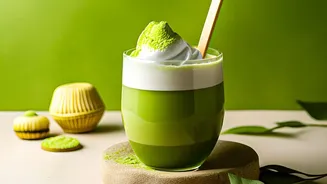
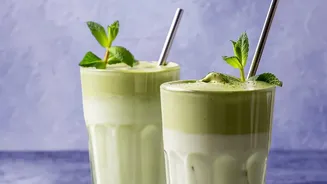
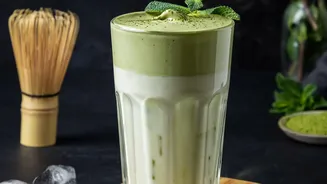
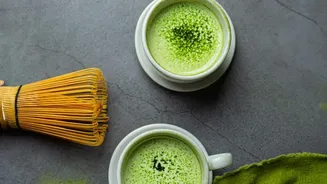
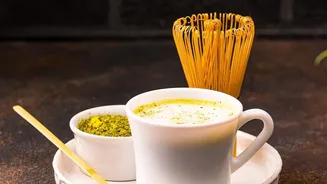
Enter the artisanal green superfood latte. Vividly coloured and brimming with perceived wellness benefits, these drinks are rapidly moving from a niche trend to a mainstream expectation in Indian cafés. The most popular among them are matcha and moringa lattes. Matcha, a finely ground powder of specially grown green tea leaves, has been a cornerstone of Japanese tea ceremonies for centuries. Moringa, derived from the leaves of the 'miracle tree' native to India, has a long history in Ayurvedic tradition. Unlike coffee, which is brewed from an extract, both matcha and moringa involve consuming the entire leaf, delivering a fuller spectrum of nutrients. Their preparation is a modern ritual, whisked into steamed milk (often plant-based) to create a creamy, photogenic beverage that signals a departure from the ordinary cup of joe.
Health and Energy: A Different Kind of Buzz
The primary driver behind the green latte trend is a shift toward functional beverages—drinks that do more than just quench thirst or provide a raw caffeine hit. Coffee is known for its fast-acting energy boost, thanks to a higher caffeine content that is rapidly absorbed. However, this often comes with the risk of jitters, anxiety, and the dreaded afternoon crash. Matcha offers a different experience. While it contains caffeine, it also has a unique amino acid called L-theanine. This compound promotes a state of 'calm alertness', providing a gentler, more sustained energy release over 4-6 hours without the crash. Moringa, on the other hand, is typically caffeine-free, offering a nutritional boost from its rich profile of vitamins, iron, and antioxidants. It provides a clean, non-stimulant energy lift, making it a favourite for any time of day.
The Culture and Cost of Conscious Consumption
The choice between iced coffee and a green latte is becoming a statement of lifestyle. Iced coffee often represents speed and efficiency, the fuel for a fast-paced life. Superfood lattes, conversely, are associated with mindfulness, wellness, and intentional living. This 'health halo' comes at a price. Artisanal lattes, made with premium powders like ceremonial grade matcha or organic moringa, often cost significantly more than a standard iced coffee. In major Indian cities, a tall Americano from a chain might cost around ₹270, while specialty lattes can climb higher, reflecting the cost of imported or high-quality ingredients and the craft involved in their preparation. This price difference is part of a broader trend of premiumisation, where consumers are willing to pay more for products they believe offer superior health benefits or a unique experience.
Beyond the Cup: Is It a Lasting Trend?
The rise of green lattes is not happening in a vacuum. It is part of a larger superfoods movement in India, with the market expected to reach USD 13.2 billion by 2034. Health-conscious consumers are increasingly seeking out functional ingredients, from traditional Indian staples like turmeric and amla to global stars like chia seeds. This trend is amplified by social media, where the vibrant green hue of a matcha or moringa latte is perfectly suited for an Instagram feed, further boosting its desirability. While coffee culture in India is also booming, with a growing appreciation for specialty Indian beans, the demand for wellness alternatives is undeniable. The competition isn't necessarily about replacement, but expansion. Cafés are evolving to cater to a more diverse and discerning customer base that wants options.