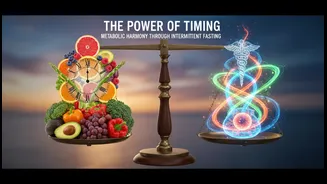









What Exactly Is Intermittent Fasting?
Intermittent fasting, or IF, isn't a diet in the conventional sense. Instead of prescribing specific foods, it’s an eating pattern that cycles between periods of eating and voluntary fasting. The core idea is to give your body a prolonged break from digestion.
After about 10 to 12 hours without food, the body exhausts its readily available sugar stores and begins to burn fat for energy, a process known as metabolic switching. This shift is what many of the purported health benefits are linked to. Unlike diets that focus on calorie counting or eliminating food groups, IF is all about timing, making it a structural change to your day rather than a list of rules about your plate.
The Different Rhythms of Fasting
There is no single way to practice intermittent fasting; its flexibility is part of its appeal. The most popular methods include: The 16/8 Method, where you fast for 16 hours a day and eat all your meals within an 8-hour window, such as from noon to 8 p.m. The 5:2 Diet involves eating normally five days a week and restricting calorie intake to about 500-600 calories on two non-consecutive days. Alternate-Day Fasting means you fast every other day, either by consuming no calories or a very small amount (around 500). Finally, there is the 24-hour fast (also called Eat-Stop-Eat), which involves a full day of fasting once or twice a week.
Structure Over Restriction: A Mental Shift
For many, the biggest challenge with traditional diets is the constant mental load of tracking calories, macronutrients, and portion sizes. This is where IF may offer a sustainable advantage. A recent study from the University of Adelaide found that while both intermittent fasting and calorie counting led to similar amounts of weight loss, the experience was vastly different. Participants practicing IF reported that they didn't need to constantly monitor their food intake to the same degree. This may reduce 'decision fatigue' and the persistent 'food noise'—the guilt and self-judgment that can accompany calorie-counting diets. By focusing on a simple-to-follow time-based rule, IF can free up mental energy, which could be a key factor in long-term adherence.
The Science of a Sustainable Habit
While research shows intermittent fasting is effective for weight loss, its true strength may lie in sustainability. Studies suggest its effectiveness for weight management is comparable to traditional calorie-restricted diets, but the simpler structure might make it easier for some to stick with. The benefits aren't just about weight. Research has linked IF to improved insulin sensitivity, lower blood pressure, and reduced inflammation. These health markers improve as weight is lost, regardless of the method, but the psychological ease of IF might make it a more practical tool for achieving and maintaining those results over the long haul. Both fasting and calorie-counting diets have been shown to improve mood and well-being, challenging the idea that dieting must be a miserable experience.
Important Considerations Before You Start
Despite its potential benefits, intermittent fasting is not for everyone. Initial side effects can include hunger, headaches, irritability, and low energy as your body adapts. More importantly, certain individuals should avoid IF or consult a doctor first. This includes anyone under 18, women who are pregnant, breastfeeding, or trying to conceive, and people with a history of eating disorders. Those with diabetes, particularly type 1, or who are on medications for blood pressure or heart disease also need to speak with a healthcare provider, as fasting can impact blood sugar and electrolyte levels. The goal is to find a sustainable plan, and safety is the first step.