

What is the Core Allegation?
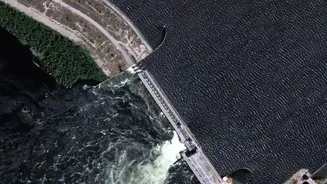
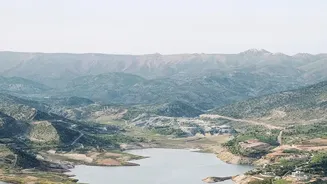
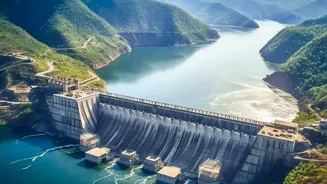
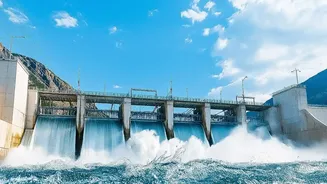
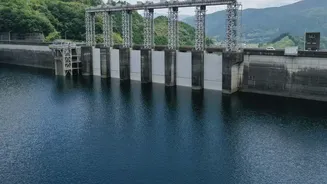
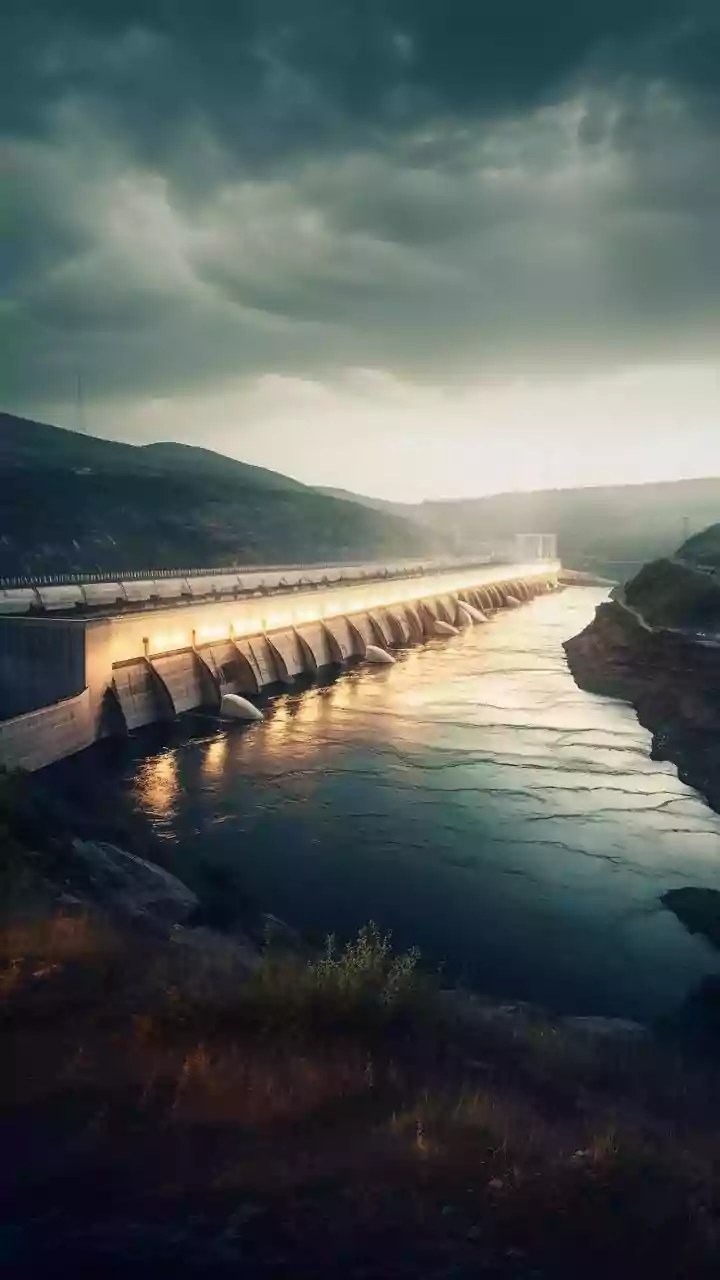
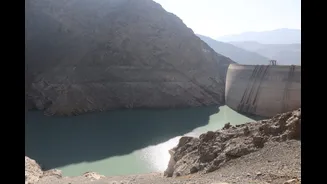
Recent analysis, highlighted in a New York Times report, suggests a significant geographical overlap between many of Iran's 533 dams and areas targeted in US and Israeli airstrikes believed to be missile sites. Experts are now exploring the hypothesis
that some of these massive water infrastructure projects, many of which lacked clear economic or civilian justification, may have been developed to support Iran's sprawling underground military complexes. These 'missile cities' require a steady, independent supply of water and electricity to function, especially for producing, storing, and launching missiles and drones. The proximity to dams could provide this operational continuity, ensuring these critical military assets are not dependent on the national grid, which could be vulnerable in a conflict.
Why Is This a Strategic Concern?
Placing critical military infrastructure near essential civilian facilities like dams creates a high-stakes dilemma for any adversary. It raises the spectre of a 'human shield' strategy, where an attack on a legitimate military target carries the catastrophic risk of destroying a dam. The collapse of a major reservoir could cause mass flooding, destroy agricultural land, and cut off water and electricity for millions of civilians, a devastating humanitarian outcome. This strategic placement forces potential attackers to weigh the military advantage of a strike against the severe and internationally condemned consequences of collateral damage to civilian life and infrastructure. This asymmetric approach is a known feature of Iranian military doctrine, which seeks to offset technological disadvantages by leveraging geography and creating complex defensive scenarios.
Is There Definitive Proof?
It is crucial to note that the link is, for now, speculative. Researchers and even the journalists who broke the story emphasize that proximity alone does not prove causality. Many of Iran’s dams and military sites are located in mountainous regions, as geography and geology dictate where such facilities can be built. However, some experts find the evidence highly suggestive. A water security expert at Germany's Hamburg University of Technology noted that the pattern of airstrikes on suspected military sites this year closely mirrored his map of Iranian dams. Other analysts point out that while many dams are vital for civilian needs in a water-scarce country, providing a redundant, off-grid power and water source for fortified missile bases would be a logical and consistent part of Iran's defense strategy.
How Has Iran Responded?
Tehran has reacted fiercely to the reports, framing them as a dangerous pretext for future attacks on its vital civilian infrastructure. Iranian Parliament Speaker Mohammad Bagher Ghalibaf issued a stark warning, stating that if its dams are considered 'dual-use' targets, then Iran will apply the same logic to any dam, port, or power plant located near a US or Israeli military base. Iranian officials have condemned the narrative as a malicious propaganda campaign designed to justify war crimes, as deliberately targeting civilian water systems is prohibited under international law. This heated response has elevated the controversy, turning a speculative analysis into a point of significant diplomatic and military tension.
What Are the Broader Implications?
This development blurs the lines between civilian and military infrastructure, escalating the risks in an already tense region. The 'dual-use' debate could provide a rationale for targeting previously off-limits sites, potentially leading to a catastrophic expansion of any conflict. For years, Iran has been moving its military production and assets into hardened, underground 'missile cities' to protect them from air attacks. This strategy is designed to ensure survivability and retaliatory capability. The suggestion that this underground network is intertwined with the country's water supply system introduces a new, deeply concerning variable. It complicates military calculations and puts immense pressure on international law, which is designed to protect civilians from the ravages of war.