






The Allure of 'Royal' Secrets
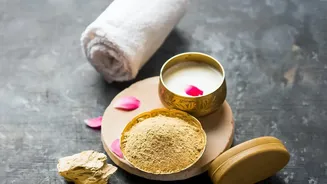
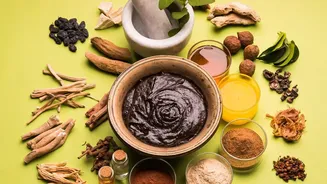
When a product mentions 'royal traditions,' it's tapping into a rich history. Indian royal women werepioneers of complex beauty science, using ingredients like saffron-infused milk, sandalwood paste, and herbal oils to protect their skin. Recipes for
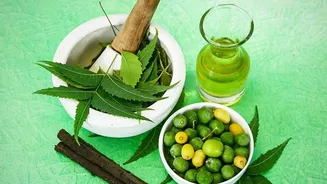
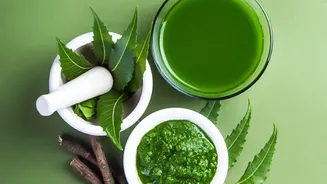
Kumkumadi Tailam, ubtans, and neem masks were passed down through generations in royal households from Kerala to Rajasthan. These weren't just about vanity; they were holistic wellness rituals designed to cool the skin, reduce inflammation, and create a natural glow. Modern brands evoke this legacy, but the 'secret' today is less about a hidden formula and more about understanding the quality and authenticity of these age-old ingredients.
Decoding Common 'Miracle' Ingredients
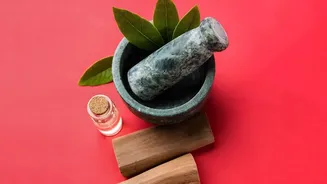
Saffron (Kesar), Sandalwood (Chandan), and Turmeric (Haldi) are pillars of Ayurvedic beauty. Saffron is famed for brightening, while sandalwood cools and soothes blemishes, and wild turmeric (Kasturi Manjal) offers antibacterial benefits without staining the skin. However, the marketing can be misleading. A 'saffron glow' cream might contain a minuscule amount of saffron extract. When buying, look for ingredient transparency. Authentic brands often list the Sanskrit and botanical names. For an ingredient like saffron to be effective, it needs a suitable base, like an oil, to help it penetrate the skin. Be wary of products that list water as the first ingredient and the hero herb at the very end.
Myth: 'Natural' Means It's Safe for Everyone
One of the biggest misconceptions is that 'natural' or 'Ayurvedic' products cannot cause irritation. This is false. Natural ingredients, from essential oils to potent herbs like hibiscus or amla, can trigger allergic reactions in some people. The term 'hypoallergenic' has no regulated definition in the cosmetics industry, so it's largely a marketing claim. A smart consumer, regardless of whether a product is synthetic or natural, always performs a patch test before applying a new product to their face. This simple step is crucial for avoiding widespread irritation.
Myth: Expect Overnight Results
Authentic Ayurveda focuses on long-term balance, not instant miracles. While chemical-based products might offer a quick fix, Ayurvedic formulations work gradually, supporting the skin’s natural renewal cycle, which takes about 28 to 40 days. Claims of 'overnight transformation' are a red flag. They may indicate the presence of aggressive synthetic ingredients masked by herbal marketing, or they may simply be an exaggeration. Real results from consistent use of Ayurvedic products typically appear progressively over four to twelve weeks.
How to Read the Label Like an Expert
In India, cosmetic labelling is regulated by the Drugs and Cosmetics Act and Cosmetics Rules, 2020. To verify authenticity, look for a few key things on the packaging. A complete ingredient list is mandatory, as are the manufacturer's name, address, and manufacturing license number. Also check for a batch number and a clear manufacturing and expiry date. Many genuine Ayurvedic brands also have an AYUSH license number and GMP (Good Manufacturing Practices) certification, which signals adherence to quality standards. Vague terms like 'herbal blend' without specifics or hiding behind 'proprietary formulas' can be warning signs.
The Dermatologist's View
Many dermatologists appreciate the holistic approach of Ayurveda and recognize the benefits of its core ingredients. Some even integrate Ayurvedic principles into their practices, advising on diet and stress management alongside clinical treatments. However, they caution against relying solely on natural products for serious skin conditions. For issues like persistent acne, rosacea, or significant pigmentation, a clinical diagnosis is essential. The best approach is often a balanced one: using well-formulated Ayurvedic products for daily wellness while consulting a dermatologist for targeted medical concerns.