




From Packets to Plates
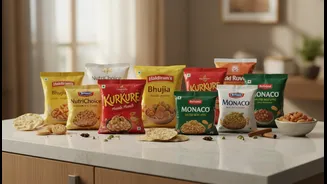
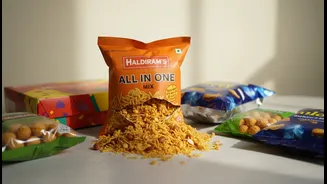
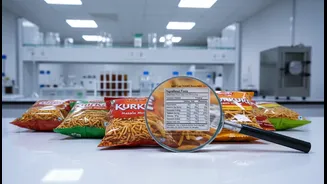
The journey of an Indian snack brand abroad typically ends on a supermarket shelf. But a new chapter is being written. In June 2026, Haldiram's, a name synonymous with namkeen and sweets since 1937, opened its first full-service restaurant in the UK.
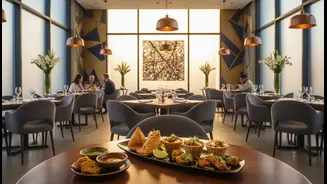
Located in London's bustling Leicester Square, the 120-seat establishment is not just a cafe but a premium casual dining space. This move signals a significant strategic shift: from being a product you buy to an experience you live. Similarly, Bikanervala, another legacy brand, opened its first London outlet in Hounslow in mid-2025, offering everything from chaat to full meals. These openings represent more than just business expansion; they mark the evolution of Indian brands from product exporters to global culinary ambassadors.
The Strategy Behind the Samosa
Why open a high-cost restaurant in an expensive European city when you can simply ship packets? The answer lies in brand control and ambition. A restaurant allows a brand to present its food in a controlled, high-quality environment, moving beyond the stereotype of a generic 'curry house'. It's a chance to showcase regional specialities like choley bhature and pao bhaji exactly as they are meant to be tasted. Rhea Agarwal, a third-generation entrepreneur leading Haldiram's European expansion, noted that the goal is to sell an experience, not just food. This strategy builds a deeper connection with customers—both the Indian diaspora craving a taste of home and a curious global audience. Furthermore, it creates a powerful flagship presence that elevates the brand's retail products, creating a halo effect that benefits the entire business.
Serving a Taste of Modern India
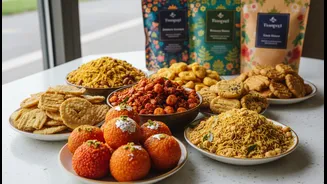
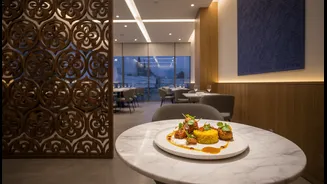
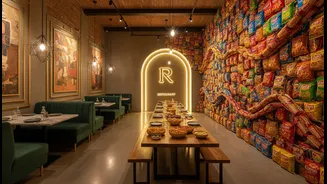
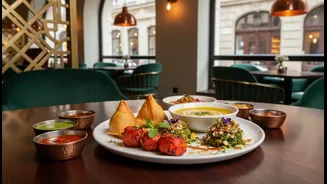
These new European outposts are carefully designed to challenge perceptions. The London Haldiram's, for example, is not a quick-service canteen but a 'premium casual' restaurant with interiors that blend Indian heritage with contemporary design. The menu goes beyond the expected, featuring fusion desserts designed exclusively for the London market alongside classics. This reflects a wider confidence in Indian cuisine. Chefs and brands are no longer diluting flavours for international palates. Instead, they are proudly presenting authentic, regional food, knowing that global diners are more curious and adventurous than ever before. This move also allows brands to introduce the wider spectrum of Indian food, making mithai (sweets) and namkeen (savouries) as mainstream and understood as curry.
Challenges on the Continent
The path to European expansion is not without its hurdles. Setting up a restaurant involves navigating complex local regulations, high operational costs, and intense competition. Building a reliable supply chain for authentic ingredients is another significant challenge. However, some brands have laid the groundwork for years. Haldiram's, for instance, has had a manufacturing base in the UK since 2018 to supply its packaged goods to the UK and Europe, which now supports its restaurant venture. Bikanervala also has an established international presence in markets like the USA, Canada, and the UAE, providing a playbook for its European entry. These early movers are not just testing the waters; they are making long-term strategic plays backed by considerable investment and experience.
The Next Course: Europe and Beyond
The London openings are just the beginning. Haldiram's has already signaled its intent to look at other parts of London with large South Asian communities and considers countries like Germany, France, and Portugal as future possibilities. This trend is driven by a growing global appetite for diverse, authentic food experiences and the increasing confidence of Indian brands. As these companies successfully transition from consumer-packaged goods to full-fledged dining experiences, they pave the way for others to follow. This isn't just about selling more snacks; it's about building global hospitality brands and cementing India's place on the world's culinary map.