







Prioritise Perfect Drainage
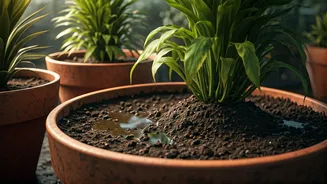
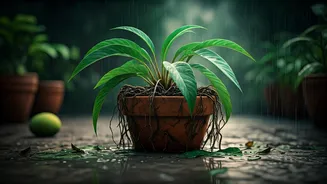
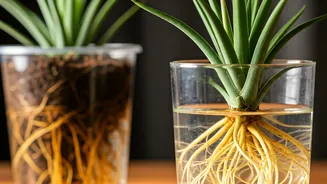
The single biggest threat to houseplants during the rainy season is waterlogged soil, which leads to root rot. This condition occurs when roots are deprived of oxygen and begin to decay, often becoming mushy and black. To prevent this, ensure every pot
has adequate drainage holes. If your pots are in decorative cachepots or on saucers, be diligent about emptying any collected water after a downpour or watering. You can also elevate your pots on feet, bricks, or stands to improve airflow and allow excess water to escape freely. Using a well-draining potting mix, often amended with materials like perlite, sand, or compost, is also crucial for preventing water from stagnating around the roots.
Adjust Your Watering Schedule
With high humidity and less sunlight, soil dries out much more slowly during the monsoon. This means your regular watering routine needs a significant adjustment. Overwatering is the most common cause of root rot. Before adding more water, always check the soil's moisture level. A simple and reliable method is to stick your finger about an inch or two into the soil. If it feels moist, hold off on watering for another day or two. For most houseplants, it's best to wait until the top layer of soil is dry to the touch. Plants like succulents and cacti need their soil to dry out almost completely between waterings.
Watch for Unwanted Pests
The damp, humid conditions of the rainy season are an open invitation for pests like fungus gnats, mealybugs, aphids, snails, and slugs. Fungus gnats thrive in overly moist soil, while other pests are attracted to the lush, damp foliage. Regularly inspect your plants, paying close attention to the undersides of leaves and the points where leaves meet the stem. If you spot an infestation, act quickly. For many common pests, a simple spray made from neem oil and a few drops of liquid soap can be an effective organic solution. Hand-picking larger pests like snails is also effective.
Guard Against Fungal Diseases
High humidity is the perfect breeding ground for fungal diseases like powdery mildew, gray mold, and leaf spot. These can manifest as white powdery coatings, tan or brown spots on leaves, or even fuzzy gray mold on decaying flowers. The best defence is good air circulation. Avoid overcrowding your plants to ensure air can move freely around the foliage. Pruning dead or yellowing leaves and removing any fallen debris from the soil surface also helps, as this material can harbor fungal spores. If you notice signs of a fungal infection, remove the affected leaves immediately to prevent it from spreading. Natural fungicides like neem oil or even a sprinkle of cinnamon powder on the soil can help manage minor issues.
Provide Shelter and Sunlight When Possible
While rainwater is naturally soft and beneficial, heavy downpours can physically damage delicate plants and oversaturate the soil. If possible, move more vulnerable plants, especially succulents, to a covered balcony, porch, or under an eave during intense storms. At the same time, the monsoon often means consecutive gray days with little direct sun. Even low-light plants need some light for photosynthesis. On brighter days, consider moving your plants to a spot where they can soak up some indirect sunlight to help the soil dry out and to keep them healthy. This also helps prevent the growth of mold on the soil surface.
Prune and Maintain for Better Health
Regular pruning is especially important during the rainy season. Trimming overgrown branches and excess foliage doesn't just keep your plant looking tidy; it significantly improves air circulation around the leaves. This simple act helps keep the foliage drier and drastically reduces the risk of fungal diseases taking hold. Make sure to use clean, sterilised pruning tools to avoid spreading any potential infections from one plant to another. Promptly removing any dead leaves or spent flowers also eliminates potential breeding grounds for both pests and diseases.