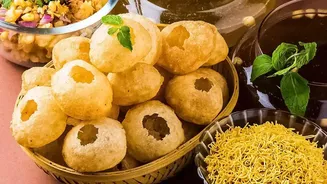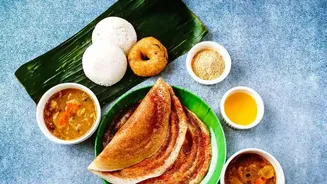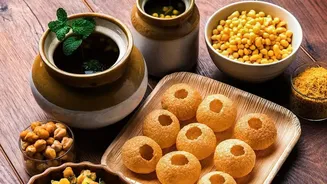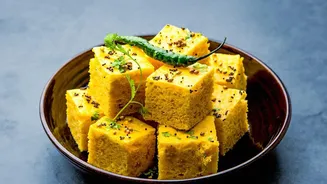



For decades, Indian restaurant dining was defined by a familiar roster of dishes. But today, a quiet revolution is underway as hyper-local flavours from every corner of the country are finally taking their rightful place on the national stage.
Beyond the Pan-Indian Menu
For years,
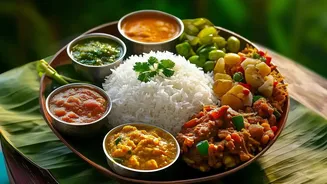
the perception of 'Indian food' in many cities was limited to a greatest-hits collection of Mughlai and Punjabi staples: butter chicken, paneer tikka, and a handful of familiar dals and biryanis. While delicious, this narrow selection represents only a fraction of India's immense culinary diversity. However, the national palate is evolving. Diners are actively seeking out more specific and authentic experiences, moving beyond the generic 'Indian curry' and asking for dishes from regions like Nagaland, Kerala, and Himachal Pradesh. This shift is reshaping restaurant menus and creating a new appreciation for the country's gastronomic depth. The conversation is moving from what is broadly Indian to what is specifically Bengali, Malnad, or Chettinad.
The Drivers of a Culinary Shift
Several factors are fuelling this change. Social media has played a transformative role, with platforms like Instagram turning hyper-local dishes into national trends overnight. A visually stunning reel of a Naga pork curry or a Himachali dish can generate immense curiosity and demand across the country. This digital exposure makes previously obscure cuisines feel immediate and desirable. At the same time, a new generation of chefs is leading the charge, acting as culinary archivists and storytellers. They are delving into family recipes and historical texts to revive lost or forgotten dishes, championing ingredients and techniques from their home regions. Chefs like Prateek Sadhu with his Himalayan-forward cuisine at Naar, and others focusing on coastal traditions, are building entire dining experiences around a strong sense of place.
From the Hills to the Coasts
This movement is bringing a vibrant array of flavours to the forefront. Earthy, smoky preparations from the Northeastern states, once rarely found outside their region, are now celebrated in metro city restaurants. In London, Chef Atul Kochhar, the first Indian chef to receive a Michelin star, has a particular focus on these lesser-known dishes. Similarly, the complex, spice-forward cooking of southern states like Tamil Nadu and Kerala are being recognised for their unique character, distinct from the creamier, milder curries of the north. This exploration extends to micro-regions, with chefs reviving forgotten preparations from Rajasthan, unique Parsi dishes, and tribal recipes from central India. This is not just about novelty; it’s about acknowledging that India’s culinary story is told not just in its states, but in its villages and communities.
Authenticity in a Modern World
As regional foods gain national popularity, a key conversation revolves around authenticity. When a dish travels from a small village kitchen to a fine dining table in Bengaluru or Delhi, how does it change? Some chefs are committed to preserving recipes in their original form, even if the flavour profiles seem unfamiliar to a modern palate. Others see value in reinterpretation, using modern techniques to present traditional flavours in a new light. For instance, a Bengaluru restaurant transforms the humble dal dhokli into a refined tagliatelle with kokum dal. Both approaches have merit, sparking a healthy dialogue about what it means to preserve culinary heritage. The goal for many is not a museum like recreation, but ensuring continuity and respect for the food's origins.