



From Broad Strokes to High Definition
For decades, monsoon forecasts were often delivered for large geographical areas like states or meteorological sub-divisions. While a warning for "heavy rainfall in the region" was informative, it lacked the precision needed for local authorities to take
concrete action. This is now changing dramatically. The India Meteorological Department (IMD) is increasingly implementing a system of district-level, impact-based forecasting. Instead of just predicting the weather, this new approach focuses on the potential consequences, answering the crucial question: "So what?". It assesses how severe weather may affect critical sectors, including transport, and translates complex data into actionable, color-coded alerts. This shift from regional to granular is akin to upgrading from a standard map to a high-resolution satellite image, allowing for targeted and proactive responses.
A Game Changer for Indian Railways
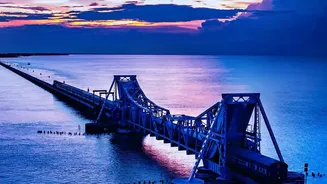
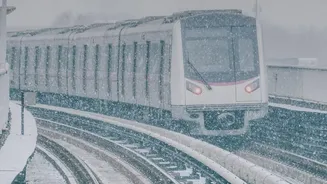
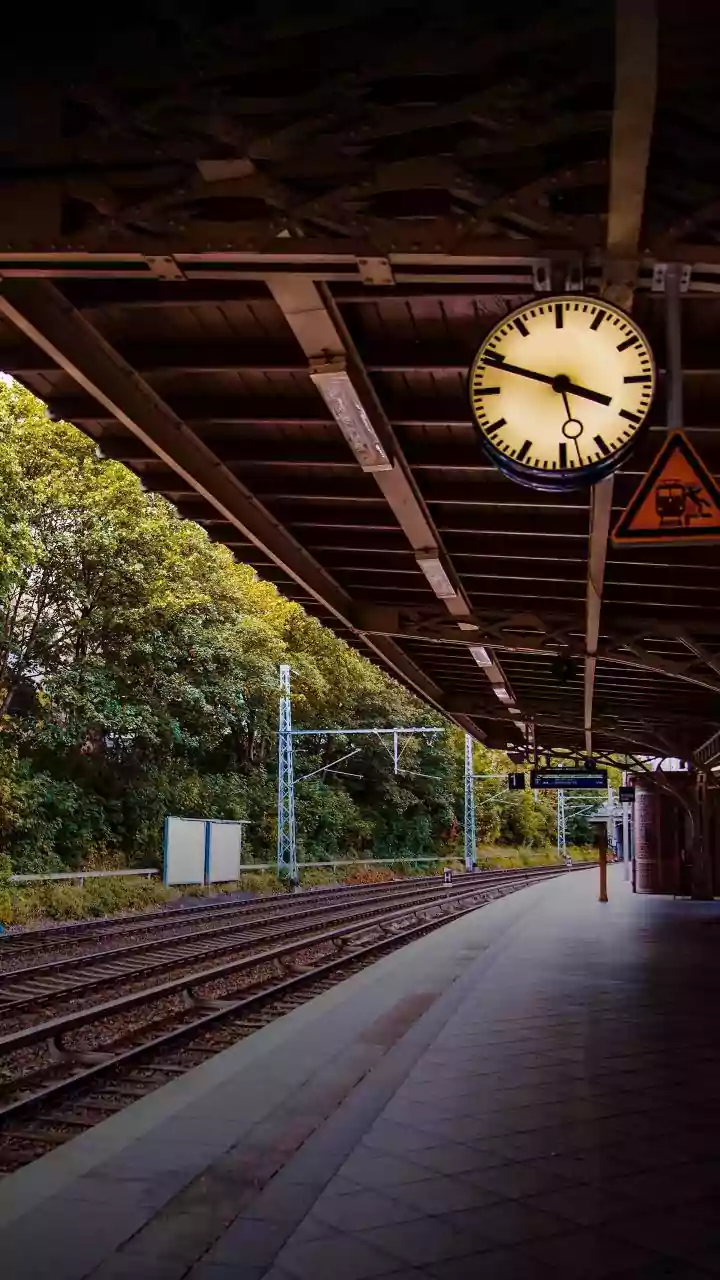
India's vast railway network, the lifeline of the nation, is particularly vulnerable to extreme weather. Heavy rains can lead to track inundation, while landslides in hilly regions pose a constant threat. With highly localized warnings, railway authorities can move from a reactive to a proactive stance. In coordination with the IMD, zones like the Northeast Frontier Railway are installing Automatic Weather Stations (AWS) at strategically vulnerable locations. These stations provide real-time, route-specific data on rainfall intensity and wind speed. This intelligence allows officials to make crucial decisions in advance, such as imposing speed restrictions on specific track sections, halting services in high-risk corridors before a landslide occurs, or pre-deploying maintenance crews to likely trouble spots. This ensures operations remain as safe as possible, minimising disruptions for millions of passengers.
Safer Roads and Smarter Highways
The impact on road transport is just as significant. Vague warnings of the past did little to prevent commuters from getting stuck in waterlogged underpasses or help truckers avoid landslide-prone highways. The new impact-based system provides specific alerts for districts and major road corridors. This allows the National Highways Authority of India (NHAI) to issue timely advisories, divert traffic from vulnerable stretches, and prepare for potential blockages. In major cities, forecasting systems are becoming even more advanced. In Mumbai, for example, an integrated flood warning system can predict areas of flooding, helping municipal authorities alert citizens and manage traffic more effectively. For the average citizen, this translates into more reliable information, safer journeys, and fewer hours wasted in weather-induced traffic jams.
The Technology Behind the Forecast
This leap in forecasting accuracy is powered by a significant technological upgrade under initiatives like Mission Mausam. The IMD has been steadily expanding its network of Doppler Weather Radars, which are crucial for real-time monitoring of severe weather. This is complemented by hundreds of Automatic Weather Stations and Rain Gauges across the country, providing a constant stream of localized data. This immense volume of information is fed into advanced numerical models, which use Artificial Intelligence and powerful computing systems to generate forecasts with greater precision and shorter lead times. The accuracy of severe weather event prediction has reportedly improved by up to 40% in the last five years, a testament to this ongoing modernisation.
The Road Ahead: Challenges and Potential
Despite these impressive strides, the system is still evolving. A key challenge is ensuring last-mile connectivity so that these highly specific warnings reach every vulnerable community and individual in a timely and understandable format. Experts point out that the coverage of the early warning network is still uneven, with some regions better equipped than others. Furthermore, effective disaster mitigation relies not just on a good forecast but on seamless coordination between the IMD and various user agencies—from the National Disaster Management Authority (NDMA) to local municipal bodies. The ongoing mission is to bridge these gaps, making sure that every bit of this life-saving intelligence is received and, most importantly, acted upon. The goal is to build true resilience into India’s infrastructure, making travel during the monsoon less of a gamble and more of a managed, predictable process.