








Decoding the Details: What Are Batch Codes?
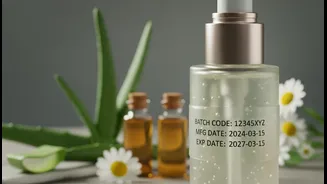
On the bottom of that jar or the crimp of that tube, you will find a small string of letters and numbers. This is the batch code, or lot number. Under Indian law, specifically the Drugs and Cosmetics Act, 1940, and the Cosmetics Rules, 2020, cosmetic
labels must provide this information for traceability. Alongside the batch code, you will find a manufacturing date (MFG) and an expiry date (EXP). The batch code links the single product in your hand to the specific production run it came from, which is vital for quality control. Think of it as your product's birth certificate, tracking its journey from the factory to your shelf.
The Freshness Factor: Why Dates Matter More Than You Think
That Vitamin C serum you bought for its brightening power? Its effectiveness hinges on its freshness. Active ingredients in skincare, such as antioxidants, retinoids, and acids, are potent but often unstable. Over time, they degrade and oxidize, especially when exposed to air and light. Using a product that was manufactured years ago, even if it has never been opened, means you are likely applying a formula that has lost much of its power. Preservatives within the product also break down, which can compromise the entire formula's stability and safety. Checking the manufacturing date helps you gauge how fresh the product is, ensuring you get the results you paid for.
Your First Line of Defence Against Fakes
The online market is unfortunately rife with counterfeit beauty products. A quick check of the batch code is a powerful tool to verify authenticity. One of the biggest red flags is a mismatch between the batch code printed on the outer carton and the one on the actual product container. If they do not match, the product is very likely fake or has been tampered with. While counterfeiters can easily print a fake expiry date, replicating a brand's complex batch numbering system is much harder. Some brands even offer online verification tools, and several third-party cosmetic calculator websites can decode the manufacturing date from the batch code, helping you spot suspicious products.
The Safety Net: Avoiding Irritation and Infections
Using expired skincare is not just ineffective; it can be dangerous. As preservatives lose their power, products can become breeding grounds for harmful bacteria and mould. Applying a contaminated product can lead to skin irritation, redness, rashes, breakouts, and even serious infections. Sometimes, the chemical structure of the ingredients can change as they degrade, creating new compounds that can cause burning sensations or allergic reactions on your skin. If you ever have an adverse reaction to a product, the batch number is the crucial piece of information the brand will need to investigate the issue. This also applies in the rare case of a product recall.
A Practical Guide: How to Check and What to Do
Make checking batch details a habit. First, locate the batch code, MFG, and EXP dates—usually stamped on the bottom of the product or on the outer box. Ensure the batch code on the box matches the one on the container. For online purchases, check product images for these details, though they are often not visible. When the product arrives, check the dates immediately. If a product is expired or very close to its expiry date, you have rights. The Consumer Protection Act, 2019, and the E-Commerce Rules, 2020, protect you against receiving defective or spurious goods. You are entitled to a refund or replacement. Contact the seller and the e-commerce platform's grievance officer immediately. If unresolved, you can file a complaint with the National Consumer Helpline by dialing 1915.