



Jamun (Indian Blackberry)
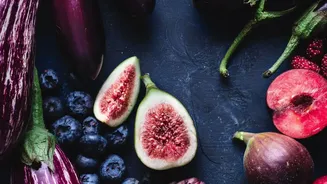
This deep purple fruit is a quintessential monsoon delight and a nutritional powerhouse. Jamun is exceptionally rich in antioxidants like anthocyanins, which give it its dark colour and help protect the body from oxidative stress. Nutritionists value
it during the rainy season because it's loaded with Vitamin C and iron, crucial for boosting immunity and maintaining energy levels. Its astringent properties and fibre content aid in digestion, helping to prevent common monsoon-related stomach issues like diarrhoea and constipation. The fruit also has a low glycaemic index and contains compounds that may help in regulating blood sugar levels.
Bitter Gourd (Karela)
Often disliked for its bitter taste, Karela is one of the healthiest vegetables you can eat during the monsoon. It is packed with Vitamin C and powerful antioxidants that significantly boost your immune system, helping you fend off common colds and infections. The rainy season can often make digestion sluggish, but the high fibre content in bitter gourd promotes the secretion of digestive enzymes, ensuring smooth bowel movements and preventing indigestion. It also has detoxifying properties that support liver health and antimicrobial qualities that can help combat skin problems like acne and fungal infections, which are common in humid weather.
Corn (Bhutta)
Nothing says monsoon in India quite like a roasted bhutta. This beloved snack is more than just comfort food; it's a healthy choice too. Corn is rich in fibre, which aids digestion and feeds the good bacteria in your gut—a key factor for a strong immune system. It contains complex carbohydrates that provide a sustained release of energy, fighting off the fatigue that often accompanies damp, gloomy weather. Furthermore, corn is a good source of antioxidants, including carotenoids that are beneficial for eye health, and vitamins like B-complex and C that support overall immunity and skin health.
Pears (Nashpati)
Pears are another excellent fruit to enjoy during August. They are incredibly gentle on the digestive system, which is a significant advantage when the risk of stomach bugs is high. A great source of soluble fibre, pears help maintain good gut health and can relieve constipation. They are also packed with immunity-boosting Vitamin C and other antioxidants like flavonoids. These compounds help reduce inflammation in the body and strengthen your defences against seasonal illnesses. Since pears have a high water content, they also contribute to keeping you hydrated during humid monsoon days.
Ginger and Turmeric
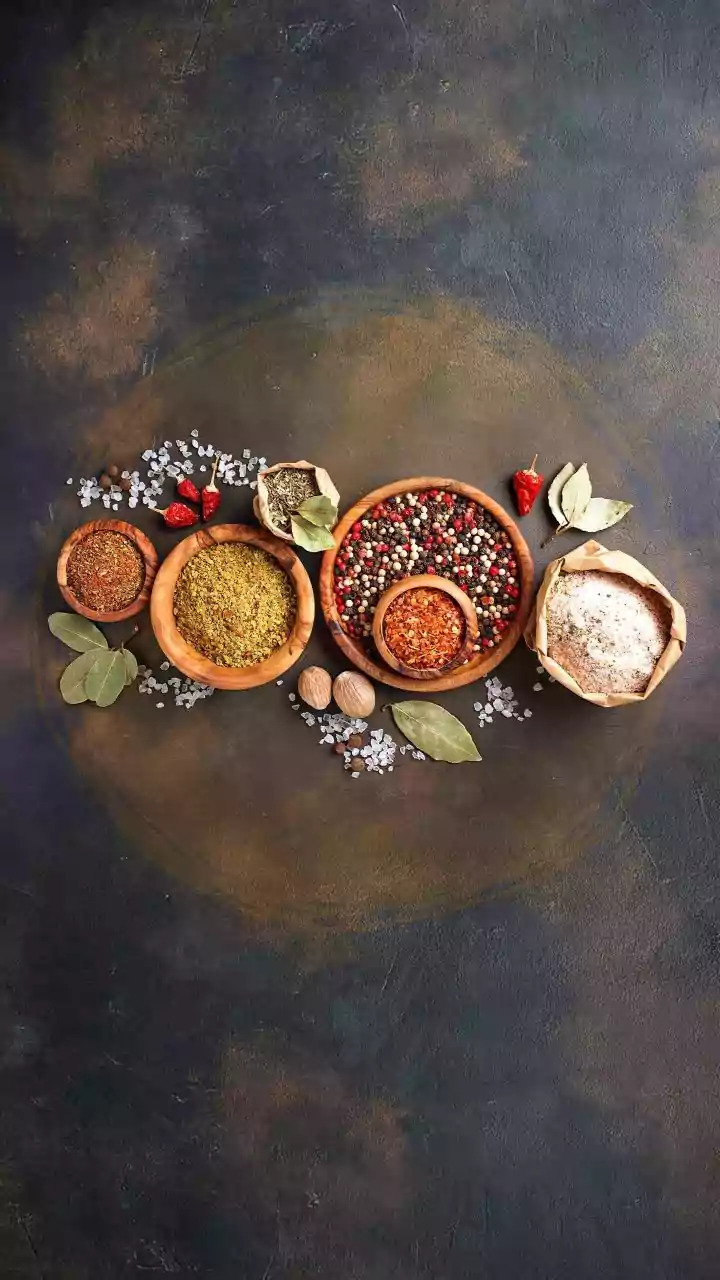
These two spices are legendary in Indian households for their medicinal properties, and they become even more essential during the monsoon. Ginger is a powerful root with anti-inflammatory and antibacterial benefits, making it effective for soothing a sore throat and relieving cold symptoms. Turmeric contains curcumin, a compound celebrated for its potent anti-inflammatory and antioxidant effects that fortify the immune system. A warm cup of ginger-turmeric tea can not only provide comfort on a rainy day but also help improve digestion, support respiratory wellness, and strengthen your body's ability to fight off infections.
Pomegranate (Anar)
Pomegranates are one of the best immune-boosting fruits you can consume during this season. The ruby-red seeds are loaded with powerful antioxidants—even more than many other fruits—that help protect the body from illness and reduce inflammation. They are also a rich source of Vitamin C, which is vital for a robust immune response to the various infections that are common during the monsoon. Consuming pomegranates can help improve blood circulation and digestion, making them a valuable addition to your diet for overall health and vitality during the rainy months.