
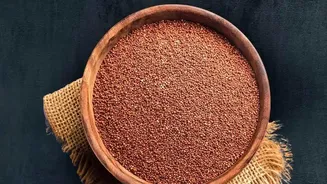

What Exactly Are Ancient Grains?
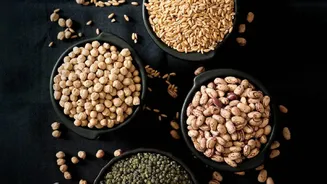
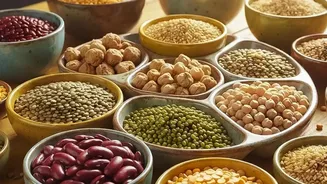
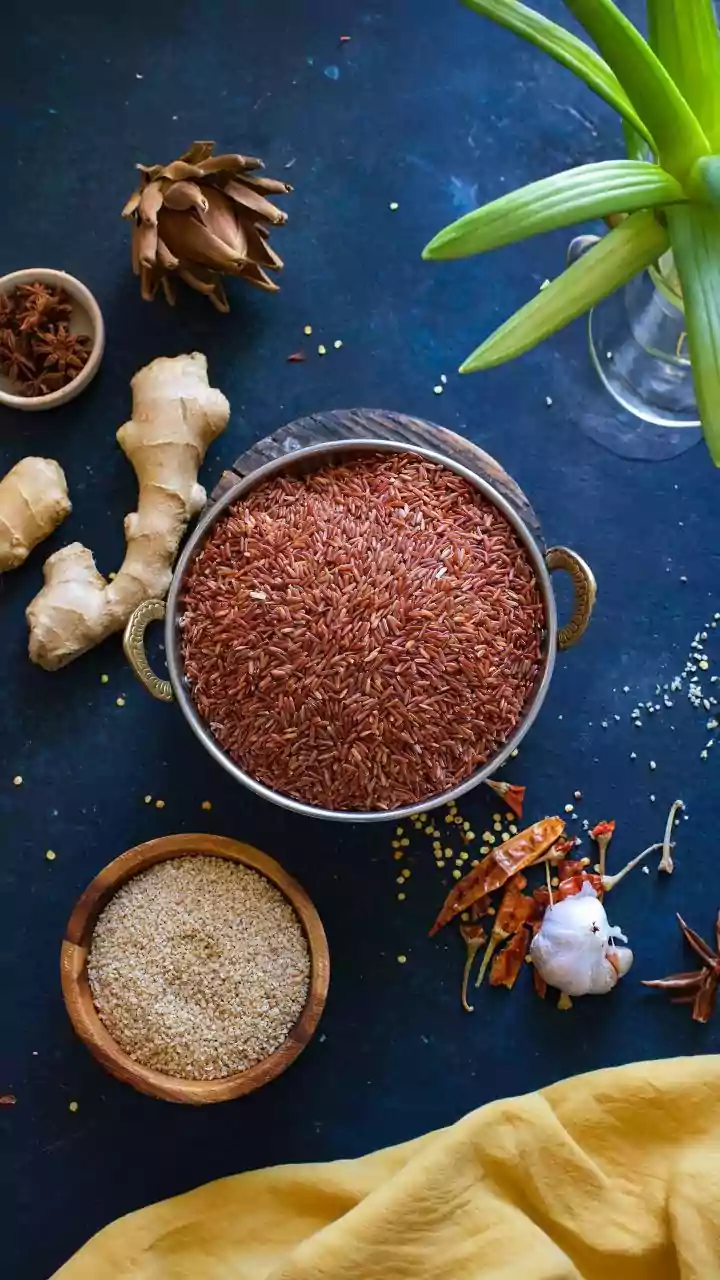
The term 'ancient grains' generally refers to grains that have been cultivated for thousands of years and have remained largely unchanged. Unlike modern wheat, which has been extensively cross-bred, these grains offer a taste of history. The list includes
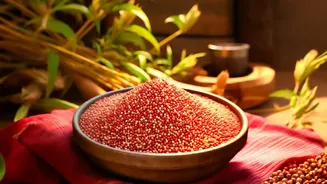
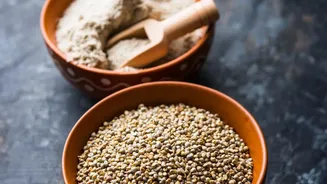
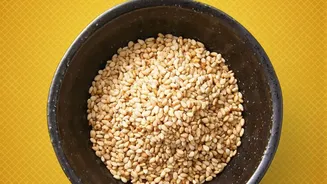
true cereal grains like spelt, barley, and sorghum, as well as 'pseudocereals'—which are technically seeds but cooked and eaten like grains—such as quinoa, amaranth, and buckwheat. Many are celebrated for being rich in protein, fibre, and various micronutrients. While some, like spelt and Kamut, contain gluten, many popular choices like quinoa, millet, and teff are naturally gluten-free, making them fantastic options for a wider range of dietary needs.
The Only Tools You Really Need
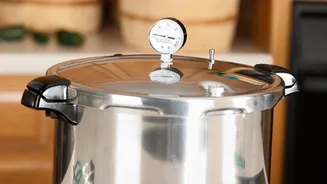
You do not need a specialised, multi-function cooker to master ancient grains. The two most effective tools are likely already in your kitchen: a standard pot with a tight-fitting lid and a pressure cooker. A simple pot offers you complete control over the cooking process, allowing you to monitor texture and liquid absorption easily. It's the classic, straightforward method. A pressure cooker, including modern electric versions like the Instant Pot, dramatically speeds up the process. Hard grains that might take an hour or more on the stove can be ready in a fraction of the time, making them practical for weeknight meals.
Universal Tips for Perfect Grains
A few simple steps can elevate your results, no matter which grain you're cooking. First, always rinse your grains in a fine-mesh sieve before cooking. This is especially crucial for quinoa, as it removes saponins, a natural coating that can taste bitter or soapy. For a deeper, nuttier flavour, try toasting the dry grains in your pot for a few minutes before adding any liquid. Speaking of liquid, swapping water for vegetable or chicken broth is an effortless way to infuse your grains with savoury flavour from the inside out. Finally, after the cooking time is up, let the grains rest off the heat, covered, for about 10-15 minutes. This allows them to steam and absorb any remaining moisture, resulting in a fluffier, more distinct texture.
Stovetop Guide: The Pot Method
Cooking on the stovetop is simple. The key is knowing the right grain-to-liquid ratio. For most grains like quinoa and farro, a 1:2 ratio of grain to water is standard. For others like millet, you might need a bit more, around 1 cup of grain to 2.5 cups of water. Simply bring your water or broth to a rolling boil, add the rinsed grains, then reduce the heat to a low simmer. Cover the pot and let it cook until the liquid is absorbed. Quinoa is quick, usually taking about 15 minutes. Millet takes around 20-25 minutes, while heartier grains like pearl barley can take 45-60 minutes. Once done, fluff with a fork before serving.
Fast-Tracked: The Pressure Cooker Method
A pressure cooker is your best friend for tougher grains. For many grains, a 1:2 grain-to-liquid ratio works well here, too, but some hardy varieties may need more. For a mix of grains like farro, quinoa, and brown rice, a cook time of 20 minutes at high pressure followed by a 10-minute natural release yields great results. For individual grains, times will vary. It's best to use the 'Manual' or 'Pressure Cook' setting rather than the 'Rice' preset, which is calibrated for faster-cooking white rice. Always allow for at least a 10-minute natural pressure release; this finishing step is crucial for the grains to soften completely and absorb all the moisture.
From Side Dish to Main Event
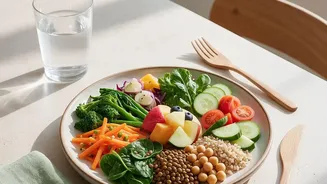
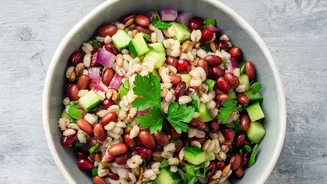
Once cooked, ancient grains are incredibly versatile. Use them as a hearty base for salads, a comforting addition to soups and stews, or a simple side dish drizzled with olive oil and herbs. Cooked quinoa or millet can be turned into a warm breakfast porridge with milk, cinnamon, and fruit. You can also make a large batch at the beginning of the week and store it in the refrigerator. This pre-cooked grain can be quickly added to meals throughout the week for an easy and nutritious boost.