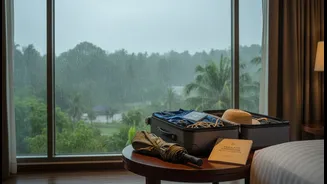









The Allure of a Rain-Soaked Getaway
What was once considered the off-season is quickly becoming a preferred travel period for many Indians. Destinations across the country, from the tea gardens of Munnar to the historic forts of Rajasthan, take on a fresh, vibrant look under the monsoon
clouds. Travel platforms report that bookings have seen a dramatic increase, with some leisure destinations experiencing growth of up to tenfold compared to last year. Travellers are drawn by the promise of lush scenery, pleasant weather, and fewer tourists, creating a quieter, more immersive experience. This shift shows that Indians are embracing the unique beauty of the rainy season, turning it into a thriving period for domestic tourism.
Understanding the Real Risks of Monsoon Travel
While the romance of a monsoon holiday is undeniable, the reality can include significant travel disruptions. Heavy rainfall, especially in hill stations like those in Himachal Pradesh and Uttarakhand, can lead to landslides and road blockages. Coastal areas and plains are not immune either, with risks of flooding and waterlogging that can bring transportation to a standstill in major cities. These weather events are unpredictable and can occur with little warning, potentially turning a dream vacation into a logistical nightmare. A blocked road or a cancelled flight can mean you never even reach your booked hotel, making your travel plans—and your money—vulnerable.
Decoding Hotel Cancellation Policies
This is where a hotel's cancellation policy becomes your most important tool. Before booking, it's essential to read the fine print carefully. Many booking sites feature a "Free Cancellation" filter, but this term can be misleading. A policy might offer a full refund only if you cancel weeks in advance, while others are flexible up to 24 hours before check-in. Look for terms like "non-refundable," which means you lose your money no matter the circumstance. Also, understand the "force majeure" or "act of God" clauses, as they may not always cover weather-related disruptions unless the area is officially declared a disaster zone. Some hotels may retain a portion of the booking amount or offer a credit note instead of a cash refund. A few minutes spent understanding these terms can save you from significant financial loss.
Your Pre-Booking Smart Traveller Checklist
To travel smart during the monsoon, adopt a proactive approach. First, always check the destination's recent weather forecasts and any local advisories before booking and right before you travel. Second, prioritise hotels that offer flexible cancellation. It might be worth paying a slightly higher rate for a room that you can cancel without a penalty close to your travel date. Third, call the hotel directly. Ask them about the road conditions in their area and what their specific policy is for weather-related cancellations. Finally, read recent guest reviews on booking platforms, as they often provide real-time insight into local conditions and a hotel's responsiveness to travel disruptions.
Why Travel Insurance is Non-Negotiable
A good hotel cancellation policy is just one part of the safety net. It won't help if your flight is cancelled or if you face other non-refundable losses on your trip. This is why travel insurance is crucial for monsoon journeys. A comprehensive policy can cover trip cancellations and interruptions for covered reasons, reimbursing you for prepaid flights, activities, and accommodation. It can also provide coverage for medical emergencies, which is vital when travelling to areas where mosquito-borne illnesses are more prevalent during the rains. When purchasing a policy, ensure it specifically covers disruptions caused by weather events to give you complete peace of mind.