





Why Pets Are More Vulnerable
Pets are more susceptible to harm from cleaning chemicals for several reasons. Their smaller size and faster metabolism mean that a small amount of a toxin can have a big impact. Being closer to the ground, they are more likely to inhale heavy fumes that settle
downwards and come into direct contact with freshly cleaned floors and carpets. Their grooming habits also pose a risk; animals can ingest toxic residues by licking their paws or fur after walking across a treated surface. Birds are especially sensitive to airborne toxins, while cats have a unique inability to safely metabolize certain chemicals, like phenols, making exposure particularly dangerous for them.
Common Chemicals to Avoid
Reading the ingredient list on your cleaning supplies is the first step to a safer home. Be wary of products containing ammonia, often found in glass and oven cleaners, which can irritate your pet's respiratory system and eyes. Bleach (chlorine) is another common culprit that can cause chemical burns, vomiting, and respiratory issues if inhaled or ingested. Phenols, frequently used in disinfectants with '-sol' in the name, are especially toxic to cats and can lead to liver damage or even death. Other ingredients to watch for include phthalates (often listed as 'fragrance'), formaldehyde, and certain concentrated essential oils like tea tree and pine oil, which can be harmful.
Recognising the Signs of Poisoning
If you suspect your pet has been exposed to a toxic substance, recognizing the symptoms is critical for getting them help quickly. Signs of poisoning can vary depending on the chemical and the type of exposure. Inhalation might cause coughing, sneezing, wheezing, watery eyes, or difficulty breathing. If a chemical is ingested, look for symptoms like excessive drooling, pawing at the mouth, vomiting, diarrhea, lethargy, or a refusal to eat. Skin contact can result in redness, irritation, rashes, or even blisters and chemical burns. In severe cases, exposure can lead to seizures, disorientation, or coma.
How to Clean Safely
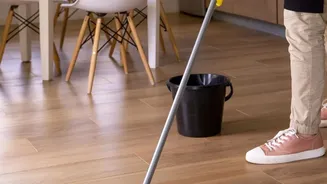
Protecting your pet doesn't mean you have to give up on a clean house. The simplest and most effective strategy is to keep your pets in a separate, well-ventilated room while you are cleaning. Always read and follow the product's instructions for use. Ensure maximum ventilation by opening windows and using fans to help fumes dissipate. Once you've finished, wait until all surfaces are completely dry before allowing your pets back into the area. It's also vital to store all cleaning products in a secure cabinet that curious paws and noses cannot access.
Pet-Safe Cleaning Alternatives
For everyday cleaning, many effective and safer alternatives can be found right in your kitchen pantry. A solution of equal parts white vinegar and water makes an excellent all-purpose cleaner for many surfaces. Baking soda is a fantastic deodorizer and can be made into a mildly abrasive scrubbing paste by mixing it with water and a little salt. For glass, a simple mixture of lemon juice and water works wonders. When dealing with grease, a few drops of a plant-based castile soap in warm water can be very effective. These DIY solutions are not only safer for your pets but are also cost-effective and better for the environment.