



In the vibrant tapestry of Indian cuisine, some ingredients are unsung heroes. The banana flower, a large, purplish blossom, is one such star, lending its unique texture and mild, nutty flavour to a fascinating array of regional delicacies.
An Unassuming Culinary Treasure
Before it becomes
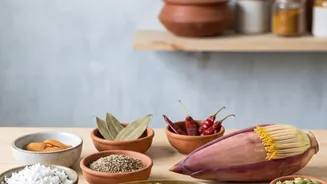
a bunch of bananas, the tree produces a large, tear-drop-shaped flower, known as mocha in Bengal, vazhaipoo in the South, and koldil in Assam. This edible blossom is packed with fibre, vitamins, and minerals like iron and potassium. Preparing it, however, is a labour of love. The tough outer petals are peeled away to reveal rows of smaller, delicate florets. From each tiny floret, the tough pistil and a small, scale-like petal must be removed by hand. This meticulous process, often performed with oiled hands to prevent staining, is a cherished ritual in many households, a patient prelude to a delicious meal. Once cleaned, the florets are typically chopped and soaked in acidic water, like buttermilk or lemon water, to prevent them from browning and to remove any hint of bitterness.
Bengal's Legendary Mochar Ghonto
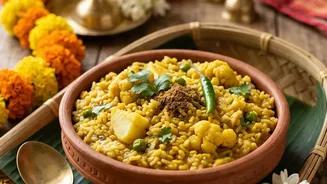
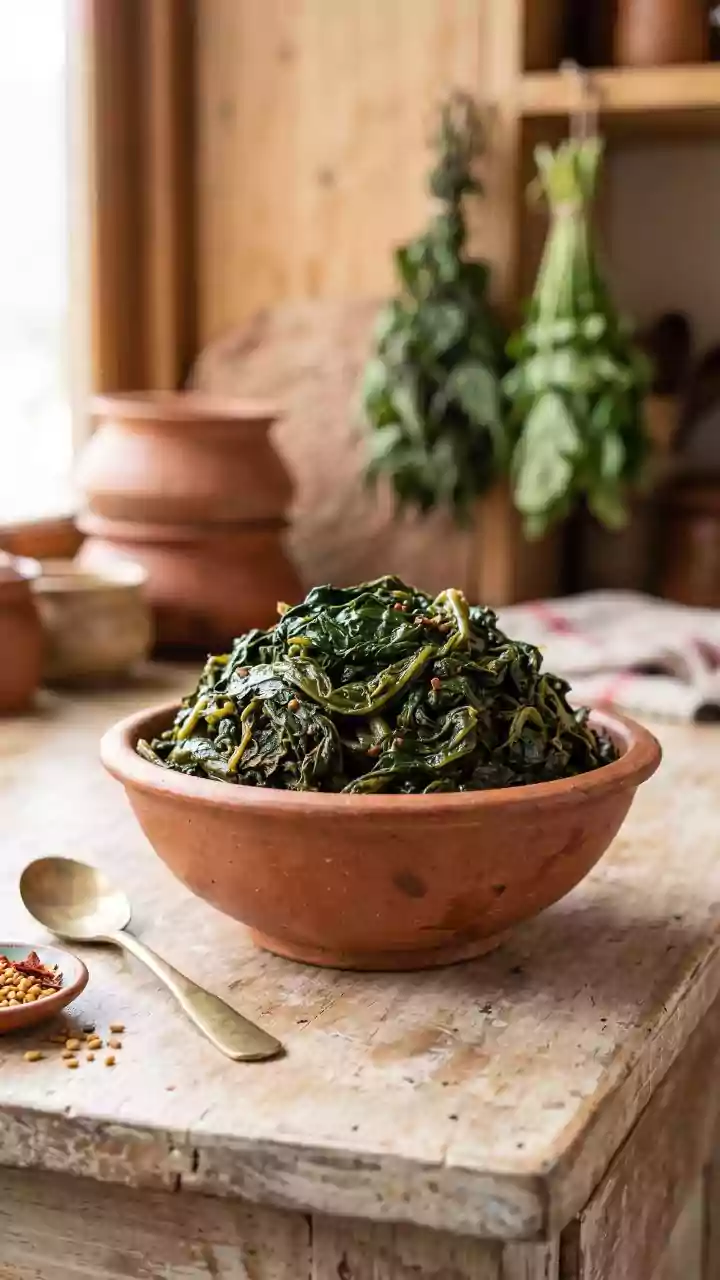
In West Bengal, the banana flower is immortalised in the iconic dish 'Mochar Ghonto'. This semi-dry vegetarian preparation is a masterclass in texture and flavour. The finely chopped and boiled banana blossoms are slow-cooked with cubed potatoes, grated coconut, and a symphony of spices like cumin, ginger, and Bengali garam masala. Often made without onion or garlic, this 'niramish' dish achieves a rich, complex flavour that is both earthy and subtly sweet. Some family recipes add boiled black chickpeas or fried lentil dumplings ('boras') for added protein and texture. Finished with a spoonful of ghee and a sprinkle of fresh coconut, Mochar Ghonto is a comforting and celebrated dish, typically enjoyed with steamed rice. It represents a culinary philosophy of resourcefulness, turning a humble flower into a dish worthy of festivals and family feasts.
Crisp and Savoury in the South
Travel south, and the banana flower undergoes a dramatic transformation. In Tamil Nadu and Kerala, one of the most popular preparations is 'Vazhaipoo Vadai', or crispy banana flower fritters. Here, the cleaned and chopped florets are mixed into a coarse, spiced batter of soaked chana dal (split chickpeas). This mixture, fragrant with fennel seeds, onions, garlic, and curry leaves, is shaped into patties and deep-fried to a perfect golden-brown crispness. The result is a snack that’s crunchy on the outside and tender within, with the banana flower providing a delightful texture. Another common South Indian preparation is 'Vazhaipoo Poriyal' or 'Thoran', a simple and healthy stir-fry where the chopped blossoms are cooked with mustard seeds, lentils, curry leaves, and a generous amount of grated coconut. This highlights the flower's delicate flavour in a completely different way from the rich Bengali ghonto.
Earthy Delicacies of the Northeast
In Northeast India, the banana flower, or 'koldil', is embraced in rustic, earthy preparations that reflect the region's unique culinary heritage. In Assam, 'Koldil Bhaji' is a simple yet flavourful stir-fry, often made with potatoes and seasoned with 'panch phoron', a five-spice blend. A more complex Assamese dish is 'Koldil Murgi', where the earthy notes of the banana flower are paired beautifully with country chicken in a hearty, spiced curry. In Manipur, the flower is called 'laphutharo' and is used in various ways, including in 'Iromba', a traditional chutney made by mashing boiled vegetables with fermented fish and chillies. Another Manipuri specialty is 'Paknam', where a paste of banana flower, besan (chickpea flour), and herbs is wrapped in turmeric leaves and steamed or slow-cooked, infusing the dish with a beautiful aroma. These preparations showcase a different side of the flower, often pairing it with bold, fermented flavours or simple, foraged ingredients.