




The Great Dhaniya Dilemma
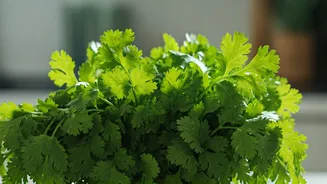
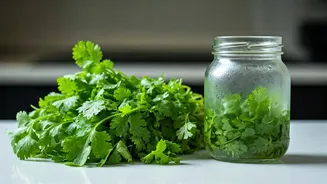
Coriander, or dhaniya, is the backbone of so many of our favourite dishes. Its bright, citrusy flavour finishes a daal, lifts a sabzi, and makes a chutney sing. Yet, it is frustratingly perishable. You buy a generous bunch for ten rupees, use a handful
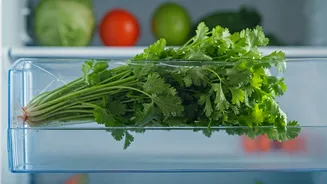
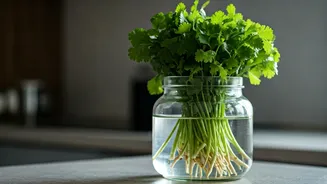
for garnish, and store the rest with hope in your heart. A few days later, you open the fridge to find a tragic, yellowing, slimy bundle. The culprit is moisture and oxygen. Dhaniya's delicate leaves have a high water content, making them prone to wilting and bacterial decay. Traditional storage methods—wrapping in paper, storing in water—can buy you a few extra days, but they are often just delaying the inevitable.
Why Olive Oil Is Your Secret Weapon
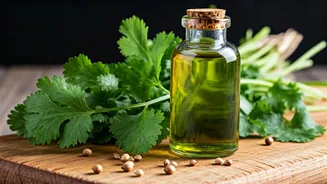
This is where a simple pantry staple comes to the rescue: olive oil. Preserving herbs in oil is a classic technique, and it works beautifully for dhaniya. The principle is simple science. By submerging the chopped coriander in oil, you create an airtight barrier. This barrier prevents oxygen from reaching the leaves, which dramatically slows down the process of oxidation—the chemical reaction that causes browning and flavour loss. The oil essentially freezes the herb in time, protecting its colour and aromatic compounds. When you freeze these oil-and-herb mixtures, you extend their life from a few days to several months, creating convenient, flavour-packed portions ready to use whenever you need them.
Your Step-by-Step Guide
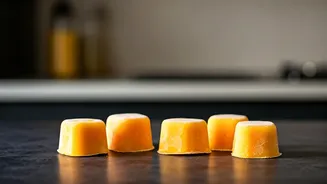
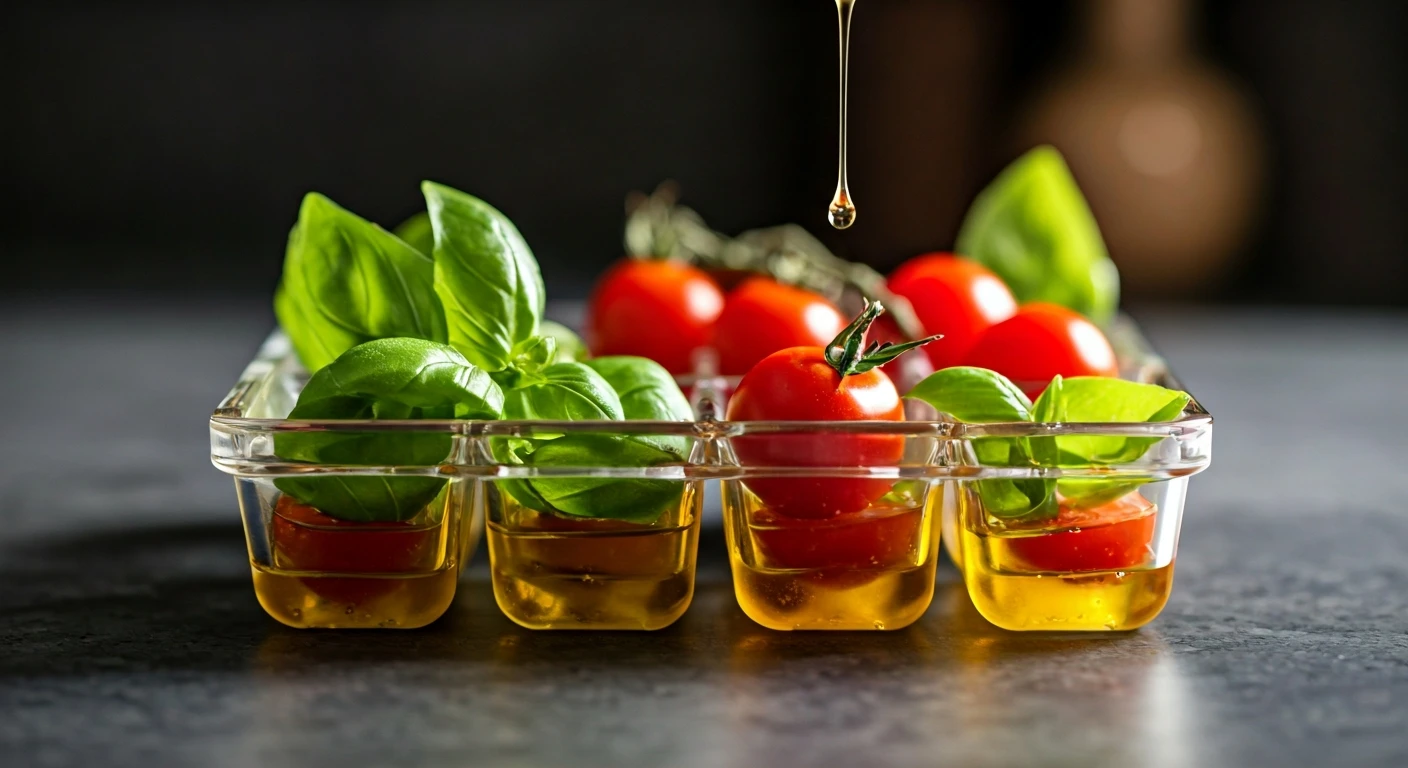
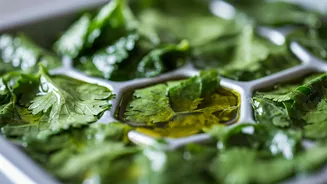
Ready to say goodbye to wasted dhaniya? The process is incredibly simple and takes just a few minutes of prep. Here’s exactly what to do: 1. **Wash and Dry Thoroughly:** This is the most important step. Wash your coriander leaves well to remove any grit. Then, you must dry them completely. A salad spinner is ideal, but you can also gently pat them dry with clean kitchen towels. Any water left on the leaves can lead to ice crystals and freezer burn, and more importantly, can create an environment for bacteria. 2. **Chop Finely:** Remove the thick, tough stems (you can save these for stocks or soups) and finely chop the leaves and tender stems. The finer the chop, the better they will incorporate into the oil. 3. **Pack and Pour:** Take a standard ice cube tray—silicone ones work best for easy removal. Pack each compartment about two-thirds full with the chopped dhaniya. Don’t press it down too tightly. Now, slowly pour olive oil over the herbs until they are completely submerged. Tap the tray on the counter to release any trapped air bubbles. 4. **Freeze Solid:** Carefully place the ice cube tray in the freezer and let it freeze solid, which usually takes a few hours. Once frozen, you can pop the dhaniya pods out of the tray and transfer them to a labelled zip-top bag or airtight container for long-term storage. They'll be good for up to six months.
How to Use Your Dhaniya Pods
Using your preserved dhaniya is effortless. There’s no need to thaw them. You can drop a frozen pod directly into your cooking. Think of them as instant flavour bombs. Stir one into a hot daal or curry just before serving. The oil will melt, releasing the vibrant flavour and aroma of fresh coriander. They are perfect for finishing soups, adding to marinades for chicken or paneer, or even melting into rice to give it a fragrant lift. The oil adds a touch of richness, but since each pod contains only a small amount, it won't make your dish greasy. For dishes where you want pure coriander flavour without extra oil, you can let a pod thaw slightly and drain off some of the excess oil before adding the herbs.
Important Tips and Considerations
To get the best results, keep a few things in mind. For the oil, a good quality extra virgin olive oil will add a peppery, fruity note, which is delicious in many contexts. If you want a more neutral flavour, a light olive oil or even a different neutral oil like sunflower or avocado oil will also work. The key is to use an oil you enjoy the taste of. Crucially, this method is for freezer storage only. Never store homemade herb-and-oil mixtures at room temperature. The low-acid, low-oxygen environment can be a breeding ground for Clostridium botulinum, the bacteria that causes botulism. Freezing eliminates this risk entirely, keeping your flavour pods safe and delicious.