




More Than a Pretty View
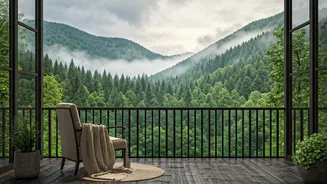
For decades, the appeal of monsoon travel was simple and sensory: the smell of wet earth, the vibrant green of rain-washed landscapes, and the escape from city heat. Destinations like Lonavala, Munnar, and Coorg became synonymous with this seasonal pilgrimage.
While the aesthetic appeal remains, a growing number of travellers are looking past the surface. The new monsoon journey is less about passive sightseeing and more about active participation. It’s a move away from simply 'seeing' a place to truly 'experiencing' it, driven by a desire for authenticity and personal growth that a simple weekend of scenic drives can no longer satisfy. This change reflects a broader evolution in what we value in our time off—a shift from consumption to connection.
Healing with the Rains
One of the most significant drivers of this trend is the rediscovery of ancient wisdom. In Ayurveda, the monsoon period, or 'Varsha Ritu', is considered the ideal time for rejuvenation and detoxification. The cool, moist atmosphere helps the body become more receptive to therapies. As a result, wellness retreats, particularly in Kerala, have become prime destinations. Travellers aren't just booking a hotel; they are signing up for curated programmes involving Panchakarma, yoga, and meditative practices. This isn't a vacation in the traditional sense, but a dedicated investment in physical and mental well-being. The trip becomes meaningful because it offers a tangible outcome: feeling refreshed, balanced, and healed, using the season's unique energy for personal renewal.
From Tourist to Participant
The desire for meaning is also taking travellers to the very source of the monsoon's magic: the land itself. Agri-tourism and farm stays are booming, offering an immersive experience that urban life rarely affords. Instead of just admiring lush paddy fields from a car window, visitors are invited to participate in the farming cycle. They learn about local crops, try their hand at planting saplings, or simply walk through spice plantations with knowledgeable guides. These experiences foster a deep respect for nature and the communities that depend on it. This hands-on engagement transforms a holiday into an educational and humbling journey, creating memories rooted in action rather than just observation. It’s about understanding the ecosystem, not just consuming its beauty.
The Art of Staying Put
The frantic, checklist-driven itineraries of peak season travel are giving way to a slower, more intentional pace during the monsoon. The rains naturally encourage a less hurried approach. This has given rise to the popularity of slow travel, where the goal is to inhabit a place rather than just visit. Travellers are choosing to stay longer in a single location—a village homestay in the Konkan, a remote cottage in the Himalayas, or an ancestral home in the Chettinad region. This allows for genuine cultural exchange: learning a local recipe from the host, understanding regional folklore, or simply sharing stories over endless cups of tea while the rain drums on the roof. This immersive approach makes the trip meaningful by fostering human connection and a deeper appreciation for the nuances of local life.