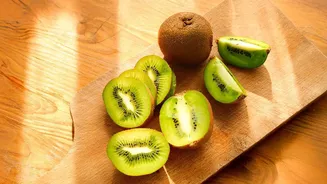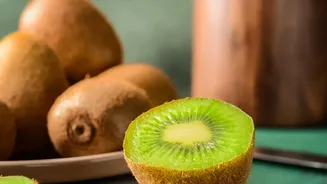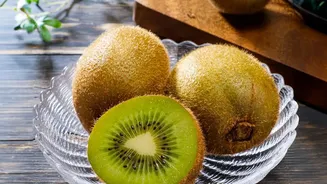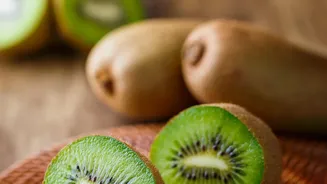




Growing your own kiwifruit might seem like an exotic gardening project, but it's more achievable than you think. With the right conditions and a little patience, you can cultivate these vigorous, productive vines right in your own backyard.
Choose the Right Kiwi for Your Garden
Before you
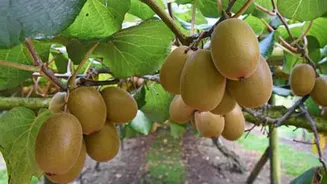
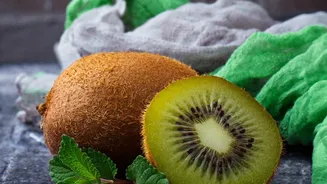
start digging, it's essential to pick the right type of kiwi. There are around 50 varieties, but they generally fall into two categories suitable for home gardens: fuzzy and hardy kiwis. Fuzzy kiwifruit (Actinidia deliciosa) is the familiar, egg-sized fruit with brown, furry skin you see in stores. These thrive in warmer climates (Zones 7-9) and require a long, frost-free growing season. Hardy kiwis (Actinidia arguta), also known as kiwiberries, are smaller, grape-sized fruits with smooth, edible skin. As the name suggests, they are more cold-tolerant and can grow in cooler regions (Zones 4-9). Crucially, most kiwi plants are dioecious, meaning you need separate male and female plants for pollination and fruit production. A single male vine can pollinate up to eight female vines. If you only have space for one plant, look for a self-fertile variety like 'Issai', which can produce fruit on its own, though yields may be higher with a male plant nearby.
Find the Perfect Planting Spot
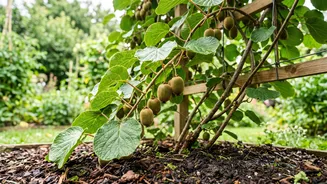
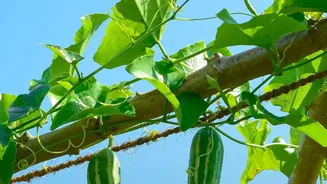
Kiwifruit vines need a sunny, sheltered location to flourish. Aim for a spot that receives at least six to eight hours of direct sunlight daily. Protection from strong winds is also important, as winds can damage the vines and affect pollination. In colder areas, planting on the north side of your property can help delay budding in spring, protecting the delicate new shoots from late frosts. These plants are vigorous climbers, with some varieties growing up to 30 feet long, so they need a strong support system from the very beginning. Plan to install a sturdy trellis, pergola, or wire system before you plant. Spacing is also key; plant vines at least 10 to 15 feet apart to allow for ample growth and air circulation.
Prepare the Soil and Plant Your Vine
Kiwi vines require fertile, well-draining soil to prevent root rot, to which they are susceptible. The ideal soil pH is slightly acidic, between 5.5 and 7.0. Before planting, enrich the soil by mixing in plenty of organic matter like compost or well-rotted manure. The best time to plant is in the spring, after the last frost has passed. When you're ready to plant, dig a hole that is twice as wide as the root ball and just as deep. Set the plant in the hole so that its crown (where the stem meets the roots) is level with the soil surface; planting too deep can cause the trunk to rot. Backfill the hole, gently firm the soil, and water thoroughly to settle the roots.
Watering, Feeding, and Support
Consistent watering is crucial, especially during dry periods. Water the vines deeply about once a week during the growing season, but be careful not to overwater. A layer of mulch around the base of the plant can help retain soil moisture, but keep it a few inches away from the trunk to prevent rot. As for feeding, apply a balanced fertilizer every four to six weeks during the growing season to support healthy growth. You can also apply a layer of compost or well-rotted manure in late winter. As the vine grows during its first year, gently guide its main stem up your support structure. Once it reaches the top, you can begin training lateral branches along the wires of your trellis.
The Art of Pruning for More Fruit
Pruning is essential for managing the vine's size and encouraging fruit production. It's typically done twice a year. The main structural pruning happens in the winter when the plant is dormant. During this time, remove any dead, damaged, or crossing branches. Thin out older canes that have already fruited for a few years, and select strong, one-year-old canes to become the new fruiting wood for the upcoming season. A second, lighter pruning is done in the summer to control vigorous growth, remove tangled shoots, and ensure sunlight can reach the developing fruit. This improves air circulation and helps prevent disease.
Patience, Harvest, and Enjoyment
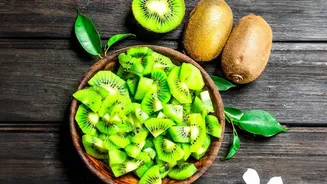
Growing kiwifruit is a lesson in patience. Most vines won't begin producing fruit until they are three to five years old. The fruit typically matures in late autumn. For fuzzy kiwis, harvest when the skin is still firm but the seeds inside have turned black. Unlike many other fruits, kiwis continue to ripen after being picked. You can let them soften at room temperature for a few days before eating. Placing them in a paper bag with a banana or apple can speed up the process. Hardy kiwiberries are ready when they are soft to the touch and can be eaten straight off the vine. A mature vine can be very productive, yielding over 50 pounds of fruit in a season.