



More Than Just a Sweet Treat
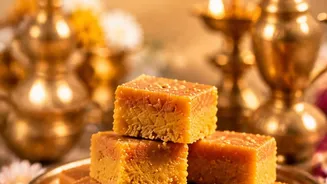
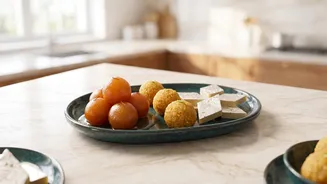
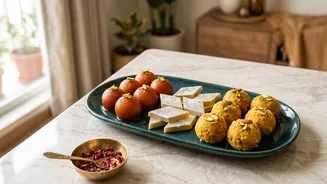
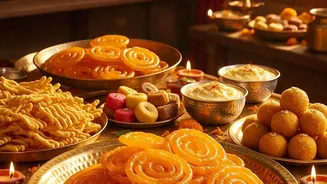
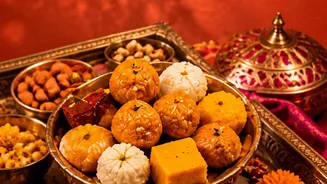
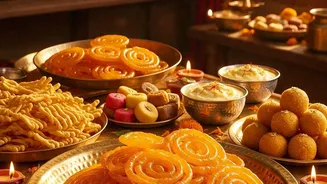
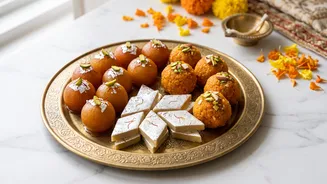
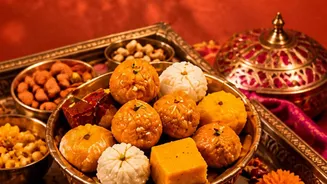
Exchanging sweets, or 'mithai', during Diwali is a cherished tradition that symbolises happiness, prosperity, and the sweetness of relationships. When you gift a box of laddoos or barfis, you are sharing a piece of the festive spirit. However, the enormous
demand during this period can lead some sellers to cut corners, mixing old stock with new or using lower-quality ingredients. A stale or spoiled sweet can not only ruin the tasting experience but also carries potential health risks, turning a gesture of love into an unfortunate incident. Therefore, a moment spent checking for freshness protects both your relationships and the health of your loved ones.
The Hidden Dangers of Stale Sweets
Consuming sweets that are past their prime can lead to unpleasant consequences, ranging from mild discomfort to serious health issues like food poisoning, stomach disorders, and vomiting. Milk-based sweets, such as rasgulla, kalakand, and certain barfis, are particularly perishable and can spoil within a few days if not refrigerated properly. Stale sweets can develop mould or bacteria. Another concern is adulteration, where ingredients like khoya (milk solids) are mixed with starch, or, in worse cases, non-edible substances like detergents to create a frothy appearance. These adulterants can pose significant health risks, making it vital to buy from reputable sources and be vigilant about quality.
Your Five-Sense Freshness Guide
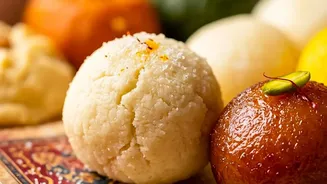
You don't need a laboratory to assess the quality of mithai. Engaging your senses is one of the most effective ways to spot a stale sweet before you buy it. First, use your eyes. Fresh sweets should have a vibrant, natural colour and a gentle sheen from ghee or milk fats. If the sweet looks dull, discoloured, dry, or cracked, it is likely old. Next, trust your nose. Fresh mithai should carry the inviting aroma of its core ingredients—ghee, milk, nuts, and cardamom. A sour, stale, or rancid oily smell is a clear warning sign. If the shop allows, feel the texture. A fresh laddoo should be soft, while a kaju katli should be smooth. Anything that feels unusually hard, sticky, or slimy should be avoided. Finally, if a sample is offered, pay attention to the taste. It should be clean and fresh, without any strange aftertaste.
Know What to Ask the Seller
Empower yourself as a consumer by asking the right questions. Don't hesitate to inquire, 'When were these sweets made?' While the nationwide mandate for displaying a 'Best Before Date' on loose sweets was withdrawn by the FSSAI in 2023, some regional authorities still require it. Regardless, a reputable seller should be transparent about their preparation schedule. You can also ask about the primary ingredients, especially for milk-based sweets or those containing khoya, which have a shorter shelf life. Choosing busy shops with high turnover often means you are getting a fresher product, as they are constantly replenishing their stock to meet demand.
Proper Storage for Lasting Joy
Once you've purchased your fresh sweets, storing them correctly is key to maintaining their quality until they are gifted or consumed. The storage method depends on the type of sweet. Milk-based and khoya sweets like gulab jamun, rasgulla, and peda are highly perishable and must be refrigerated in an airtight container, where they can last for about three to five days. Drier sweets made from ghee, nuts, and flour, such as besan laddoo, kaju katli, and soan papdi, have a longer shelf life. These can be stored at room temperature in a cool, dry place inside an airtight container for up to a week or more. Using parchment paper to separate layers can prevent them from sticking together.