



1. Mint (Pudina)
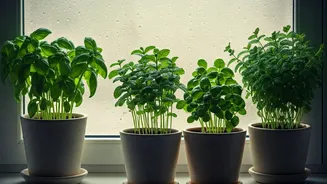
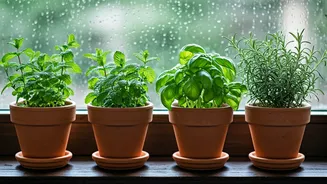
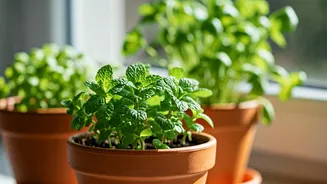
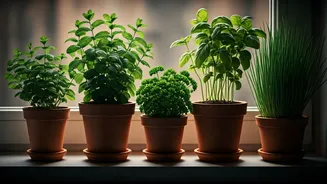
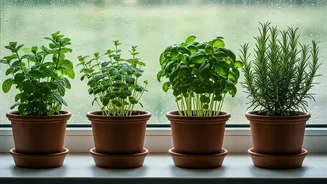
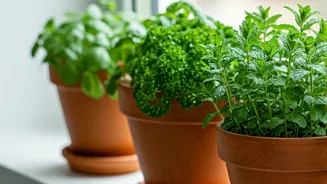
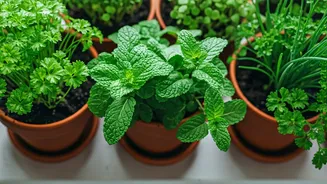
Mint is famously resilient and one of the most forgiving herbs for beginners. It adapts incredibly well to indoor conditions and can flourish even in spots with indirect or filtered light, making it perfect for a kitchen windowsill that doesn't get direct sun.
Its refreshing aroma is a bonus, perfect for a rainy day cup of chai or a vibrant chutney. To keep your mint plant happy, use a well-draining pot and keep the soil consistently moist but not waterlogged. Mint tends to grow vigorously; regular trimming from the top will encourage it to grow bushier and fuller, preventing it from becoming leggy as it reaches for the light. This also means you'll have a constant supply for all your culinary needs.
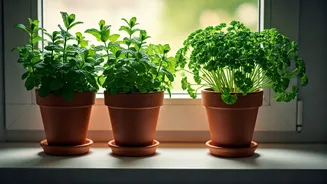
2. Parsley
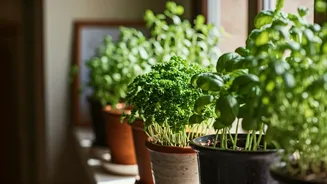
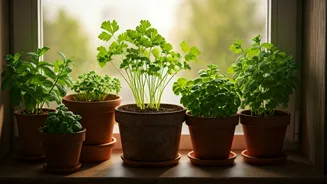
Whether you prefer the flat-leaf or curly variety, parsley is an excellent low-light companion. It doesn't require hours of direct sun and can do quite well with just a few hours of gentler morning light or bright, indirect exposure. This makes it suitable for countertops or near a north-facing window that might be too dim for other plants. While it can get a bit spindly in lower light, it remains perfectly edible and flavourful. Parsley prefers its soil to stay evenly moist. For a steady harvest, snip the outer stems first, allowing the new leaves to grow from the centre. Rich in vitamins, it’s an easy way to add a fresh, nutritious boost to soups, salads, and garnishes, especially when you’re cosied up indoors.
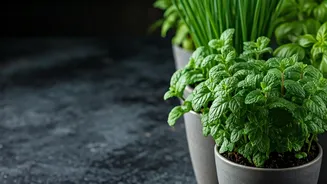
3. Chives
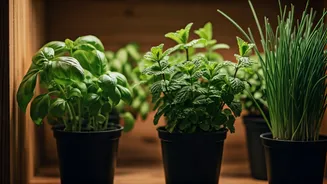
With their subtle onion-like flavour, chives are a compact and low-maintenance choice for an indoor herb garden. They are surprisingly tolerant of low-light conditions and can grow happily without intense, direct sunlight. Their slender, grass-like appearance adds a touch of green to any small space. While chives grow best with more light, they can adapt to shadier indoor spots, although growth might be slower. It's important to use a pot with good drainage and to water only when the top layer of soil feels dry. Regular trimming not only provides you with fresh herbs for eggs, soups, or dals but also encourages the plant to keep producing new shoots. The pretty, edible purple flowers are an added bonus if the plant is happy.
4. Lemon Balm
A member of the mint family, lemon balm shares its relative's tolerance for less-than-ideal light conditions. It thrives in partial shade and cooler indoor temperatures, making it a great fit for the monsoon season. Its leaves release a lovely, calming lemon scent, perfect for brewing a soothing cup of herbal tea on a rainy afternoon. Place it in a spot with indirect light and water consistently, ensuring the pot has good drainage to avoid root rot. To promote a bushier plant and prevent it from becoming lanky, pinch back the top leaves regularly. This easy-going herb not only provides fresh flavour but also fills your room with a pleasant, natural fragrance.