




What is Culinary Tourism?
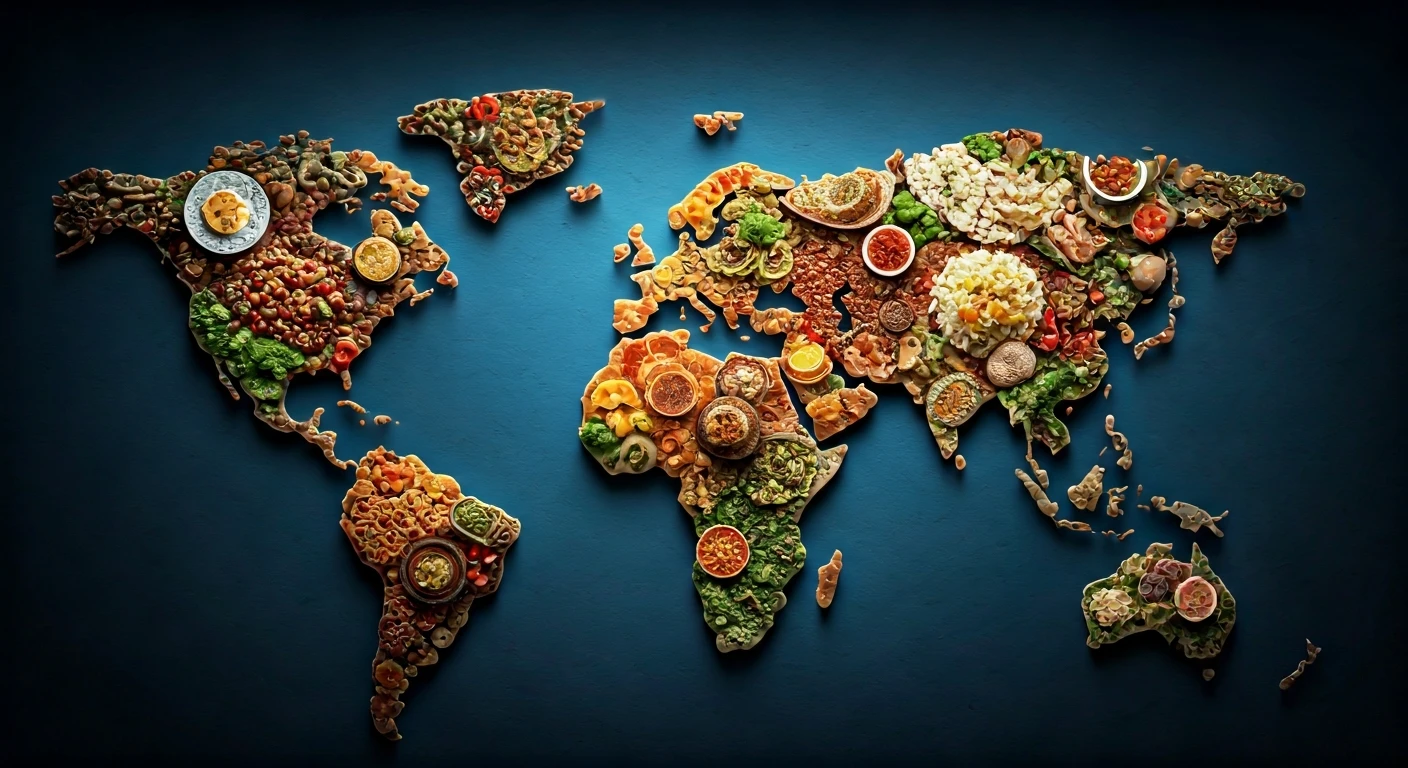
At its heart, foodie travel — or culinary tourism — is the practice of travelling for the express purpose of enjoying unique and memorable eating and drinking experiences. This goes far beyond just booking a fancy restaurant. It is an immersive approach
that treats cuisine as a vital component of culture, on par with scenery and accommodation. Modern food travellers are seeking authentic, hands-on activities like taking a cooking class with a local family, joining a street food walking tour, visiting a farm where ingredients are grown, or attending a regional food festival. It’s a shift from simply consuming a meal to understanding the story behind it — the history, the techniques, and the culture that shaped it.
The Social Media Effect
Much of this shift is powered by what we see online. Visually-driven social media platforms like Instagram and TikTok have turned local dishes and little-known eateries into global sensations. Food bloggers and influencers play a huge role in shaping dining preferences, with their engaging content and storytelling making a specific dish or restaurant a must-try experience. This digital word-of-mouth is seen as highly trustworthy, and a well-shot video of a regional specialty can spark travel plans more effectively than a glossy brochure. As travellers share their own culinary discoveries online, they create a continuous cycle of inspiration that drives more people to seek out those same flavours.
A Hunger for Authenticity
This trend isn't just about chasing Instagrammable meals; it reflects a deeper desire for genuine connection. Travellers are increasingly looking for authentic experiences that offer a real window into a destination's culture, and food is one of the most direct pathways to achieving that. Sharing a meal, learning a family recipe, or navigating a bustling local market provides a sense of participation and understanding that a typical sightseeing tour might not. Research shows a massive majority of travellers believe engaging with local cuisine is a crucial part of their trip, with many prioritising unique, local food over fine dining. This search for authenticity has made food a primary driver in travel decisions for a significant number of people.
India's Evolving Culinary Map
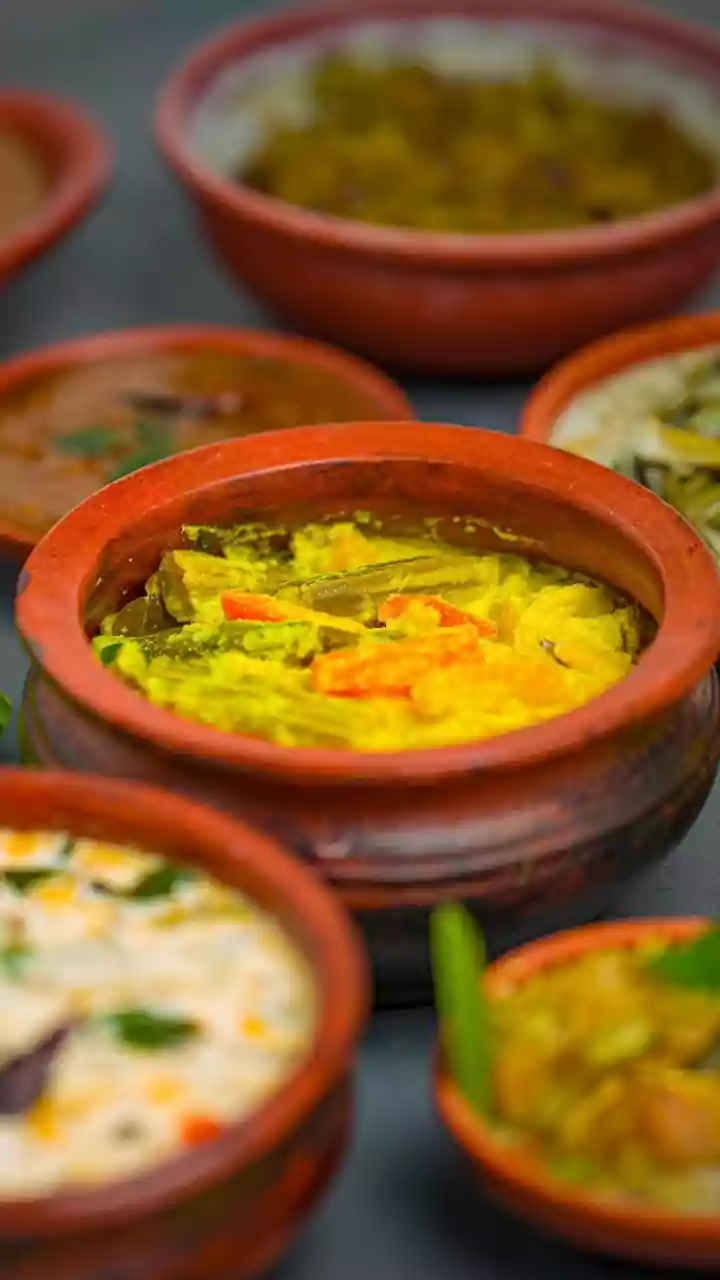
In India, this trend is booming. A 2022 report highlighted that a vast majority of food experts predict a significant rise in Indians travelling specifically to experience culinary culture. Our own diverse culinary landscape provides fertile ground for this exploration. Cities are becoming synonymous with their star dishes, drawing foodies from across the country. Think of Lucknow for its kebabs, Amritsar for its kulchas, Kolkata for its sweets and kati rolls, and Hyderabad for its world-famous biryani. Travellers are venturing to Delhi for street food tours through Chandni Chowk, to Goa for its unique seafood, and to the backwaters of Kerala for its distinct spices. It's a celebration of regional identity, with food serving as the main attraction.
How the Travel Industry Is Responding
The tourism industry has taken note of this powerful shift. Destinations are now actively marketing their culinary identity as a core asset. Hotels, tour operators, and even local governments are developing food-focused travel packages, from guided food walks and market tours to culinary workshops and producer visits. Some establishments are designing their entire experience around food, offering farm-to-table meals or hosting chefs for special culinary residencies. This focus not only enriches the travel experience but also provides significant economic benefits, boosting local businesses from small street vendors to farmers and creating a more sustainable tourism model.