







The Power of Small Steps
The idea that exercise must be long, grueling, and expensive to be effective is a persistent myth. The truth is much more encouraging. A growing body of research shows that short, frequent walks can be incredibly beneficial for your health. Unlike the
all-or-nothing pressure of a 60-minute gym session, a 10-minute walk is an easy win. Studies suggest that even short bursts of activity can boost metabolism, improve circulation, and help manage blood pressure and cholesterol. Breaking up long periods of sitting with brief walks is particularly powerful. It counteracts the negative effects of a sedentary lifestyle, which can slow metabolism and increase the risk of chronic diseases. Some research even indicates that the body burns more energy in the initial moments of movement, making several short walks potentially more metabolically stimulating than one continuous stroll. This makes a walk around the block after a meal or a quick stroll during a work break a surprisingly potent health strategy.
More Than Just Physical
The benefits of walking extend far beyond physical fitness; it's a profound tool for mental well-being. Walking increases blood flow to the brain, which can enhance alertness, memory, and cognitive function. It also prompts the release of endorphins, the body’s natural feel-good chemicals, which help to reduce stress and elevate mood. In fact, studies have shown that regular walking can be as effective as other therapies for easing symptoms of mild to moderate depression and anxiety. Getting outside for a walk provides a change of scenery and a dose of fresh air, which can help clear your head and disrupt negative thought patterns. It offers a moment of mindfulness, a chance to disconnect from screens and reconnect with your surroundings, which can significantly lower stress levels and improve your overall sense of well-being.
Making Every Minute Count
Integrating short walks into your day doesn't require a major life overhaul. The key is to find small opportunities and make them a habit. Instead of scheduling one long walk, look for pockets of time. A brisk 10-minute walk after lunch can aid digestion and prevent a post-meal slump. A five-minute walk before starting your workday can help you focus. Consider a "walking meeting" at work if you need to brainstorm or have a one-on-one conversation. Park a little farther from the entrance of the grocery store or your office. Take the stairs instead of the elevator. If you work from home, set a timer to get up and walk around your house or garden every hour. These small, seemingly insignificant moments add up, contributing to the recommended 150 minutes of moderate activity per week without ever needing to step inside a gym.
Why 'Cheapest' Is A Game-Changer
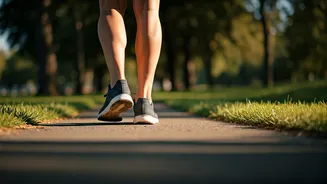
The financial barrier is one of the biggest hurdles to fitness for many. Gym memberships, boutique classes, and home equipment can be prohibitively expensive. Walking removes this barrier entirely. It is free. All you need is a comfortable pair of shoes. This accessibility is what makes walking such a revolutionary fitness tool. It's an activity available to almost everyone, regardless of income, location, or current fitness level. There are no special skills to learn or intimidating environments to navigate. The 'cost' isn't financial, but rather about creating time and overcoming initial inertia. By focusing on an activity that is inherently affordable and simple, you remove excuses and make it easier to build a consistent, long-term habit that supports your health for years to come.
How to Start Your Walking Habit
Getting started is simpler than you think. Don't aim for an hour on your first day. The goal is consistency, not intensity. Begin with a five or ten-minute walk, once a day. Do this for a week. The following week, you might add a second short walk or extend your single walk to 15 minutes. The key is to listen to your body and build up gradually. Try to walk at a pace where you can still hold a conversation—this ensures you're in the moderate activity zone. To stay motivated, find a route you enjoy, listen to music or a podcast, or ask a friend to join you. The most important step is the first one you take out the door. Once walking becomes a non-negotiable part of your daily routine, you'll wonder how you ever did without it.