

More Than Just a Boat
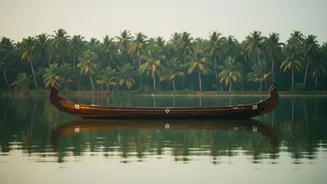
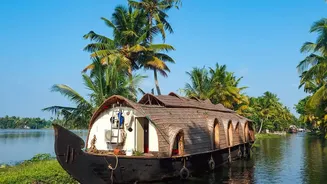
In the heart of Kerala's backwaters, the Chundan Vallam is far more than a racing vessel; it is a living deity for the village that owns it. These boats, often over 100 feet long, are treated with profound reverence. Each boat belongs to a specific village or community,
embodying its pride, unity, and history. The construction itself follows specifications from the ancient 'Sthapathya Veda', a treatise on wooden boat building. Traditionally made from Anjili wood (wild jackfruit tree), the boat's creation is an art passed down through generations of master carpenters, known as 'moothasharis'. Villagers believe the boat has a soul, and tradition dictates that only men, barefoot as a sign of respect, are allowed to touch it. This deep spiritual connection transforms the boat from a mere object into the centrepiece of community life.
The Anointing Ceremony
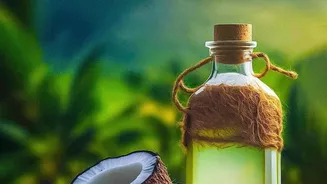
The most crucial part of preparing the snake boat for the racing season is the annual maintenance ritual. This is not a simple coat of paint but a sacred anointing process designed to make the boat stronger and faster. The hull is coated with a special, pungent mixture. The primary ingredients are fish oil, ash from burnt coconut shells, and raw eggs. This organic varnish serves a dual purpose. It waterproofs the wood, preventing it from becoming waterlogged and heavy during a race. Secondly, it creates an incredibly slick and slippery surface, reducing friction and allowing the colossal boat to glide through the water with greater speed. This age-old technique, a form of traditional naval engineering, is a guarded secret, perfected over centuries to give each village's boat a competitive edge.
The Rhythm of the Vanchipattu
The preparation is as much about the crew as it is about the boat. Central to this is the 'Vanchipattu', or the boat song. These are not just songs for entertainment; they are the rhythmic soul of the race. During the weeks of rigorous training, the oarsmen learn to synchronise every single stroke to the beat of the Vanchipattu. A lead singer, positioned in the middle of the boat, chants a verse, and over 100 rowers sing it back in chorus, their oars striking the water in perfect, powerful unison. This call-and-response works like a metronome, turning a hundred individual actions into one unified force. The songs often tell epic stories, some from Hindu mythology, further deepening the cultural and spiritual dimensions of the race. The Vanchipattu ensures the intergenerational transfer of folklore, music, and the very rhythm of the backwaters.
A Communal Endeavour
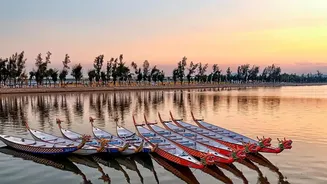
The entire process, from repairing the boat to the final race, is a massive community effort that reinforces social bonds. The village carpenter carries out the annual repairs, a matter of immense pride and responsibility. The rowers, often numbering over a hundred, undergo weeks of disciplined training, sometimes living together and following special diets to build stamina. The boat races, known as Vallam Kali, are often linked to temple festivals, with religious ceremonies and blessings marking key stages. Feasts known as 'Vallasadya' are held for the oarsmen, celebrating their dedication. This collective participation ensures that the knowledge of boat building, the art of the Vanchipattu, and the spirit of teamwork are passed down, safeguarding this unique marine heritage from being lost to time.