

The End of the One-Time Wonder
For years, Indian occasion wear was defined by extravagance, often leading to stunning outfits worn for a single event and then relegated to the back of the closet. Be it a heavily embellished lehenga for a wedding or a specific festive outfit, the 'cost
per wear' was rarely a primary concern. Today, that thinking is changing. Consumers are increasingly seeking pieces that can be styled differently and worn repeatedly. This shift reflects a more practical approach to fashion, where versatility and long-term value are crucial parts of the buying decision. Designers are responding by creating separates—a statement blouse that can be paired with a saree or trousers, or a well-cut jacket that works over a kurta or a Western dress. This move away from the 'one-time wonder' marks a significant maturation in consumer behaviour, favouring longevity over fleeting grandeur.
A New Focus on Value and 'Cost Per Wear'
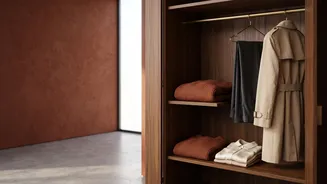
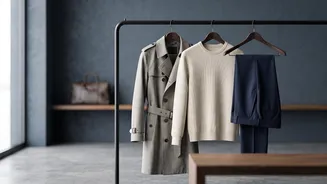
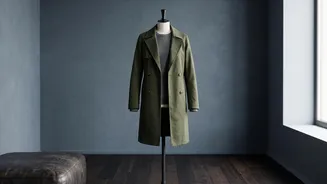
The modern Indian shopper is demonstrating a savvier approach to spending, where value is defined by more than just the price tag. It's about 'cost per wear'—the idea that a more expensive, high-quality item worn 30 times is a better investment than a cheap, trendy piece that falls apart after three wears. This mindset is driving demand for durable materials and timeless designs. Consumers are willing to invest in quality craftsmanship and fabrics that last, seeing it as an upgrade to their essentials. Brands focusing on quality construction and classic silhouettes are finding a receptive audience. This economic pragmatism isn't about being frugal; it's about being smart, and building a wardrobe of reliable, hard-working pieces that deliver tangible value over time.
Dressing for a Hybrid Life
The post-pandemic normalisation of hybrid work has profoundly impacted fashion choices. With days often blending remote work, office meetings, and social engagements, the wardrobe needs to be more flexible than ever. A shirt needs to be professional enough for a video call but comfortable enough for hours at a home desk. An outfit chosen in the morning might need to transition seamlessly to an evening dinner. This has boosted the popularity of 'fashleisure' and relaxed ethnic wear. Pieces like co-ord sets, stylish kurta sets, versatile shirt dresses, and contemporary sarees that are easy to drape and style are becoming staples. Comfort has become a non-negotiable element, and clothing is expected to adapt to a fluid lifestyle rather than being confined to a single context like 'office wear' or 'party wear'.
The Rise of the Conscious Consumer
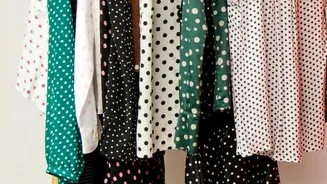
Beyond economics and convenience, a powerful ethical driver is shaping purchasing habits: conscious consumerism. A growing number of Indian consumers, particularly millennials and Gen Z, are concerned about the environmental and social impact of the fashion industry. This has led to a pivot away from the throwaway culture of fast fashion towards 'slow style'—a philosophy that prioritises quality, sustainability, and ethical production. Shoppers are actively seeking out brands that use organic materials, eco-friendly dyes, and transparent supply chains. This isn't just a niche trend; it's a significant market force, with research indicating a high percentage of Indian consumers considering sustainability in their fashion purchases. This desire for more responsible fashion is making versatile, long-lasting clothing doubly attractive, as it aligns perfectly with the 'buy less, buy better' ethos.
The Anatomy of a Modern Wardrobe
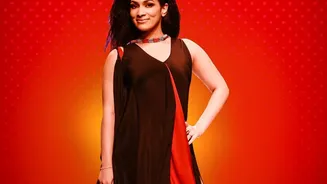
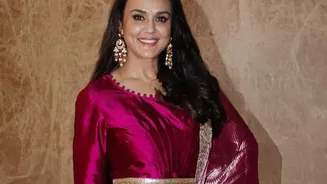
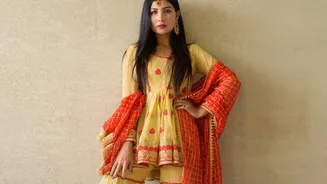
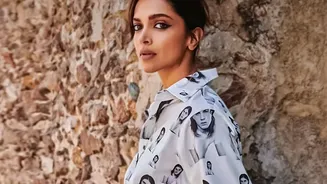
So, what are the hero pieces of this new, versatile Indian wardrobe? Kurtas, both traditional and contemporary, that can be styled for casual, work, or festive occasions are key. Sarees are being reimagined with modern drapes, lighter fabrics like organza and tissue, and paired with everything from jackets to crop tops to make them more accessible for regular wear. Indo-Western fusion wear continues to thrive, with items like kurta-style dresses, lehengas paired with modern tops, and sharara sets offering immense flexibility. Well-tailored blazers, tone-on-tone co-ord sets, and even something as simple as an embroidered shirt provide endless mixing and matching possibilities, forming the foundation of a wardrobe that is practical, expressive, and built to last.