


The Body Wasn’t Built for Chairs
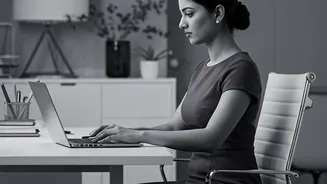
The modern workday, for many, is defined by stillness. We spend hours in chairs, staring at screens, with our bodies held in a fixed position. While it may not feel strenuous, this prolonged sitting is a significant health risk, contributing to a host
of issues from poor posture to chronic pain. The human body is designed for movement. Our ancestors walked, squatted, and reached throughout the day. This constant motion kept their muscles engaged, their circulation flowing, and their joints healthy. When we sit for long periods, we act against our own physiology. Muscles like the hip flexors shorten and tighten, while others, like the glutes, become weak and inactive. This muscular imbalance places undue stress on our joints, particularly in the lower back, hips, and knees, leading to the aches and stiffness that have become all too common.
The Science of a Stiff Joint
To understand why sitting is so detrimental, we need to look inside our joints. Between the bones in your knees, hips, and spine is a remarkable substance called synovial fluid. This thick, viscous fluid acts as a natural lubricant, allowing your cartilage-capped bones to glide smoothly against each other without friction. It also provides essential nutrients to the cartilage, which has no direct blood supply. Here's the catch: synovial fluid doesn't circulate on its own. It needs movement. When you walk, bend, or stretch, you compress and release your joints, which pumps this lubricating fluid throughout the joint capsule, nourishing the cartilage and keeping everything moving freely. When you sit for hours, this process grinds to a halt. The fluid becomes stagnant, circulation decreases, and the cartilage is deprived of nutrients. This is why you feel that signature stiffness when you finally stand up—your joints have essentially gone 'dry'.
The Power of the 'Movement Snack'
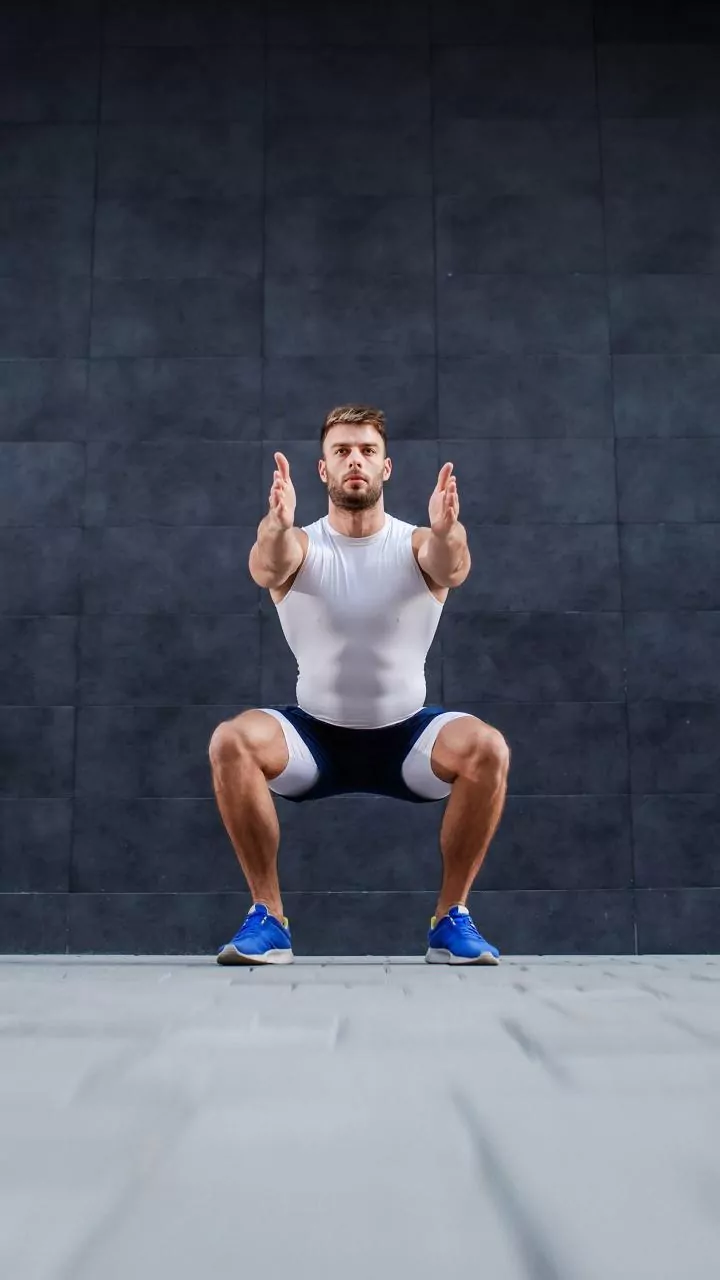
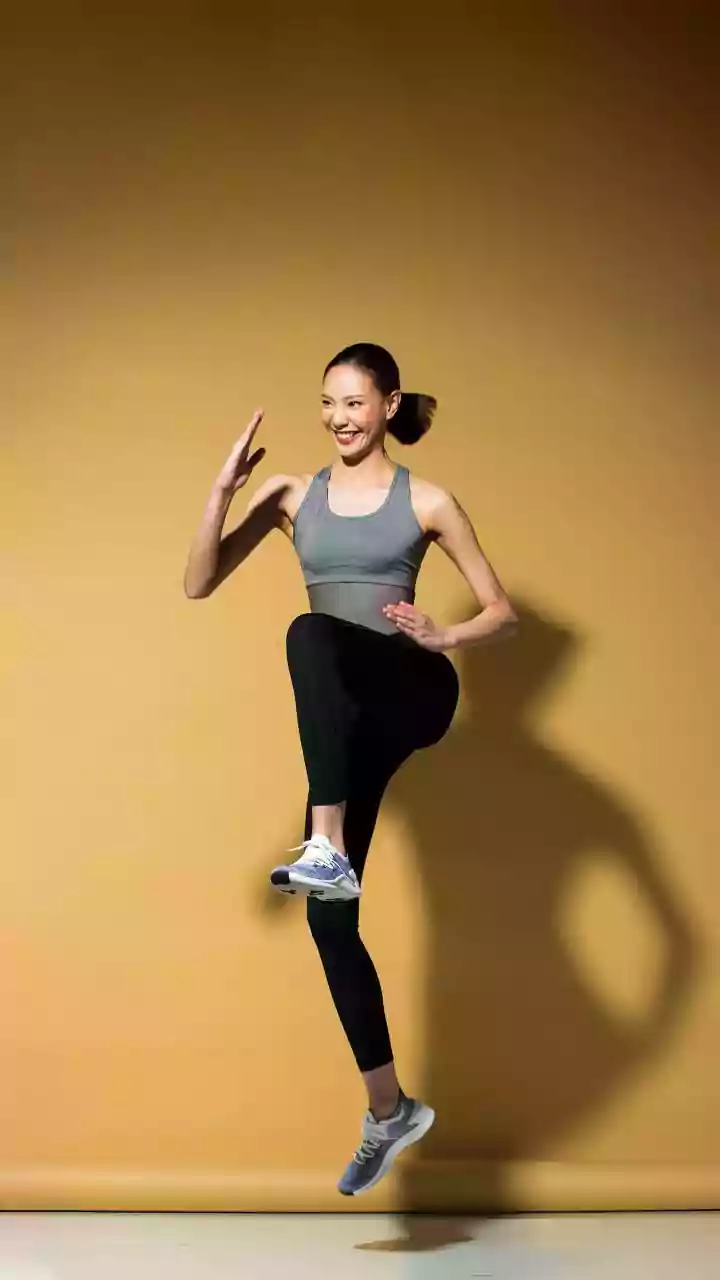
The solution, thankfully, doesn't require a complete lifestyle overhaul. The key is to reintroduce frequent, small movements throughout the day. These short bursts of activity are often called 'movement snacks' or micro-movements. A movement snack is exactly what it sounds like: a brief, one-to-two-minute break to move your body. It's not about breaking a sweat; it's about breaking the cycle of stillness. Studies show that these small interventions can significantly improve circulation, reduce muscle tension, and refresh your mind without disrupting your workflow. By standing up, stretching, or walking around every 30 to 60 minutes, you reactivate your muscles and, crucially, get that synovial fluid moving again. This simple act lubricates your joints, reduces inflammation, and counteracts the negative effects of being sedentary. Research suggests the cumulative effect of these small breaks can be just as beneficial as a single, longer workout for improving joint mobility and reducing pain.
Simple Movements to Start Today
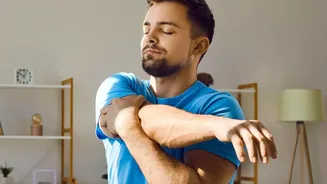
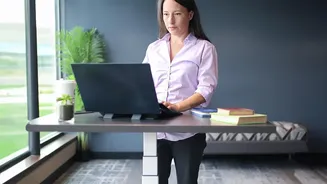
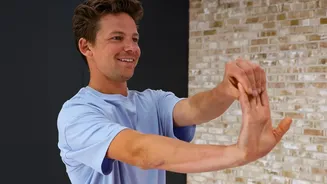
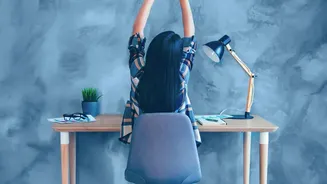
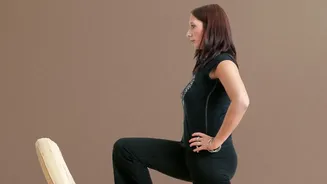
Integrating movement into your workday is easier than you might think. The goal is consistency, not intensity. Try setting a timer to remind yourself to move every hour. Here are a few simple and discreet exercises you can do right at your desk: Seated Spinal Twists: Sit tall in your chair and place your right hand on your left knee. Gently twist your upper body to the left, looking over your shoulder. Hold for a few breaths and repeat on the other side. This helps mobilize your mid-back. Shoulder Rolls and Squeezes: Sit or stand tall and roll your shoulders up toward your ears, then back and down, squeezing your shoulder blades together. This counteracts the slouched posture many of us adopt at a desk. Hip Flexor Stretch: Stand up and take a small step back with one leg. Gently tuck your pelvis forward until you feel a light stretch in the front of your hip. Hold for 20-30 seconds. This helps lengthen the muscles that become tight from sitting. Stand Up and Walk: The simplest intervention is often the most effective. Make it a habit to stand up during phone calls or walk to get a glass of water. Even a few minutes of walking can reset your posture and relieve pressure on your joints.