





The Ultimate Urban Upgrade
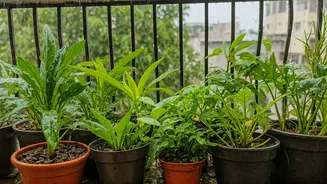
In cities where space is the ultimate luxury, a balcony fruit garden is more than just a hobby; it's a statement. It’s about creating your own slice of nature, enjoying produce you've grown yourself, and adding a touch of lushness to your concrete surroundings.
The benefits are immense. You get access to fresh, pesticide-free fruits, which is a huge win for health and nutrition. Plus, the act of gardening itself is a proven stress-buster. Tending to your plants can reduce anxiety and improve your mood. It’s a gentle physical activity that connects you with nature, even several floors up. And let's be honest, offering a guest a drink garnished with a lemon from your own balcony is a pretty impressive 'flex'.
Choosing Your Fruiting Champions
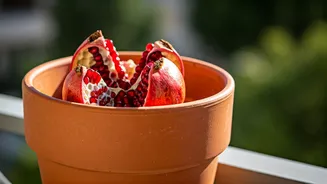
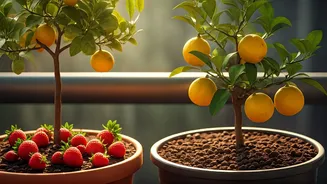
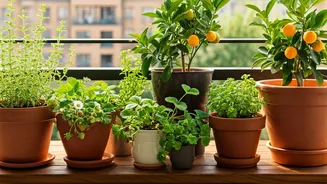
Not all fruit trees are suited for pot life, but many thrive in containers, especially dwarf and grafted varieties specifically bred for compact spaces. For Indian balconies, certain plants are practically superstars. Dwarf citrus trees like Kagzi Lemon or Mosambi are excellent choices, offering fragrant flowers and fruit almost year-round. Grafted varieties of Guava, such as the Allahabad Safeda or Thai varieties, are incredibly hardy, love the sun, and can produce a surprising amount of fruit in a pot. Strawberries are arguably the easiest place to start; they're perfect for hanging baskets and yield delicious results quickly. Other fantastic options include dwarf pomegranates, figs (anjeer), and even starfruit (kamrakh), which add both an aesthetic and edible appeal to your space. For those with a bit more space and sunlight, dwarf varieties of papaya and mango, like the famous 'Amrapali', can also be successfully grown.
Setting Up for Success
Your success starts with the right foundation: the pot and the soil. Choose a container that is large enough for the mature plant, typically between 15 to 24 inches in diameter for most dwarf trees. Good drainage is non-negotiable, so ensure your pot has holes at the bottom to prevent waterlogging and root rot. While terracotta pots are breathable, they can be heavy, so lightweight plastic or fibreglass pots are also great options. When it comes to soil, don't just use soil from the ground, which can be too dense. A good potting mix is essential. Create a blend of garden soil, compost or well-rotted cow dung manure, and something for aeration like coco peat. This combination provides nutrients, retains adequate moisture, and allows roots to breathe.
Sun, Water, and Sustenance
Fruit trees are sun-worshippers. Most varieties will need at least six to eight hours of direct sunlight each day to produce a healthy harvest, so observe your balcony's light patterns before you start. Watering is the next crucial element. Plants in containers dry out much faster than those in the ground, especially during hot Indian summers. Check the soil daily; if the top inch feels dry, it's time to water deeply until you see it drain from the bottom. Be consistent, as irregular watering can stress the plant. Finally, potted plants need regular feeding since nutrients wash out with watering. Use a balanced organic fertiliser, like vermicompost or animal manure, every few weeks or once a month to replenish the soil and encourage healthy growth and fruiting.