

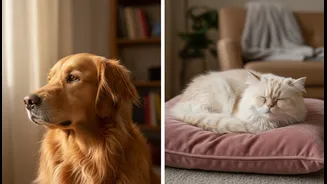



The Unconditional Canine Calm
Dog owners have long pointed to the stress-relieving benefits of their companions, and science has often agreed. The simple act of walking a dog provides physical exercise and encourages social interaction, both known to combat stress. Research has also
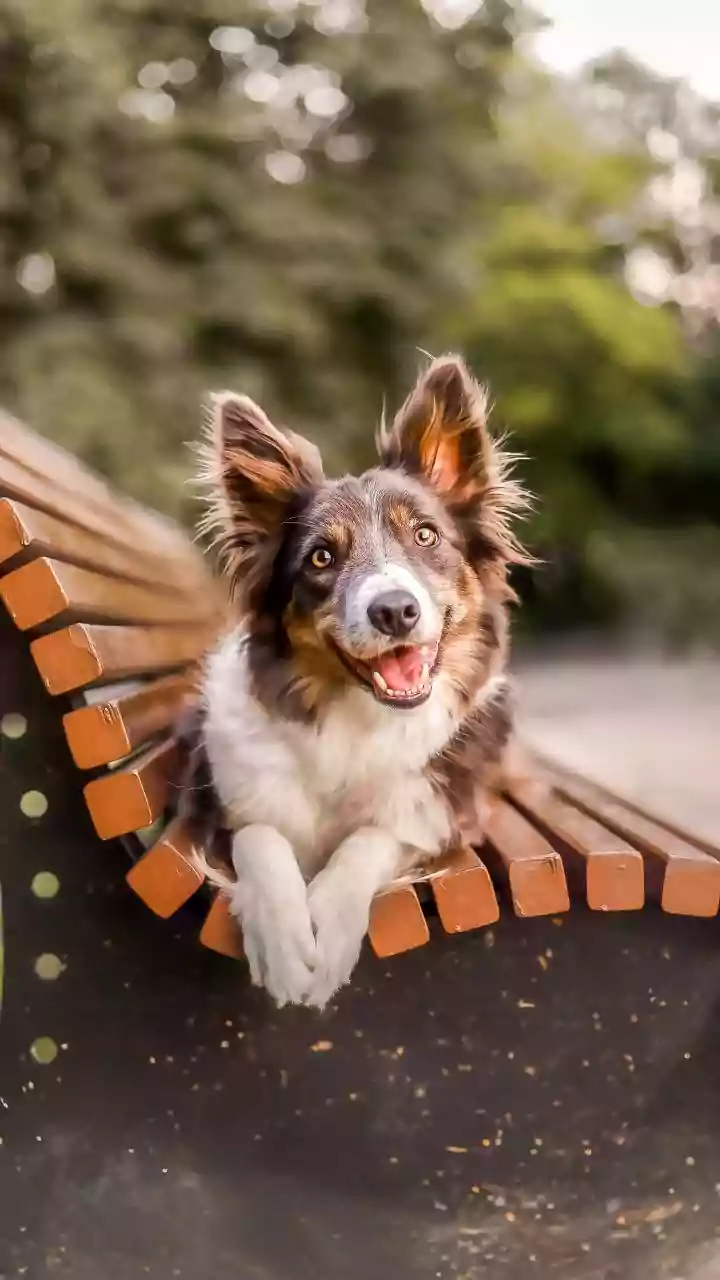
shown that gazing into a dog's eyes can trigger a significant release of oxytocin, the 'love hormone' responsible for bonding and feelings of well-being, in both the human and the dog. This powerful hormonal connection reinforces the sense of calm and security many owners feel. However, a recent Dutch study published in the journal Frontiers in Psychology added a crucial nuance. While interactions with dogs consistently boost an owner's positive mood, they don't necessarily erase negative feelings during a moment of acute stress. In other words, while your dog’s presence is a profound comfort, it may act more as a steadying anchor than an instant antidote to a stressful event.
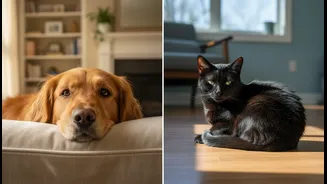
The Complicated Comfort of Cats
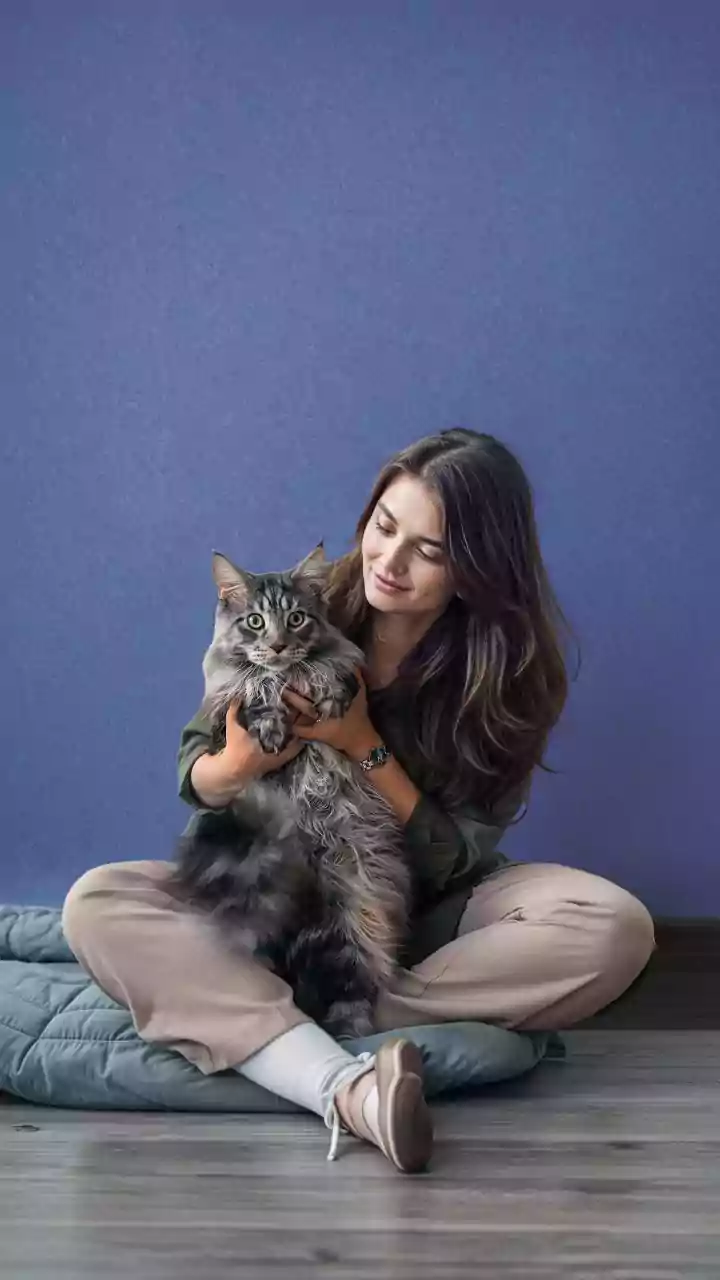
The same Dutch study uncovered a more complex picture for cat owners. While cats, like dogs, were found to boost their owners' general happiness and positive emotions from moment to moment, their role during stressful times was surprisingly different. The research found a tentative link suggesting that when owners were already feeling stressed, more intense interactions with their cats were associated with stronger negative feelings, not weaker ones. The study's authors speculate this might be because interactions with cats are often more passive and less demanding. A stressed individual seeking active comfort might find a cat's independent nature emotionally evocative in a way that doesn't align with their needs at that specific moment. It’s important to note the researchers urge caution, as the number of cat owners in the study was smaller, but the finding opens a new door to understanding our relationships with our feline friends.
It’s Not the Pet, It’s the Person
The new findings don't suggest one animal is a 'better' pet for stress. Instead, they highlight the importance of the owner-pet match. Decades of research have shown that self-identified 'dog people' and 'cat people' often have different personality traits. Studies indicate dog lovers tend to be more extroverted, agreeable, and conscientious. In contrast, cat lovers often score higher on openness to experience and introversion, and tend to be more independent and non-conformist. The authors of the new study suggest that people naturally choose a pet that fits their personality and lifestyle, which is likely why both groups report similar levels of overall satisfaction and emotional benefits. The difference in how they buffer in-the-moment stress may simply be a reflection of these different interaction styles and personality alignments.
Evolution, Hormones, and a Deeper Bond
The differing responses may also be rooted in evolutionary history. Dogs evolved from pack animals, making them naturally more expressive and reliant on group communication to signal distress. Cats, on the other hand, evolved as solitary hunters, where showing weakness could be a fatal mistake, leading them to be more subtle and withdrawn when stressed. This fundamental difference in their nature inevitably shapes how they interact with us. Hormonally, studies have also found that dogs can produce a much larger oxytocin spike after playing with their owners compared to cats, potentially forging a different kind of calming bond. Ultimately, while a pet might not be a magic wand for an immediate crisis, their long-term presence is consistently linked to better health outcomes, including lower blood pressure and reduced baseline cortisol levels.