





Redefining the 'Off-Season'
For decades, the Indian monsoon was the travel industry's designated off-season. Heavy rains, potential flooding, and difficult road conditions meant most tourists stayed away, leaving popular destinations deserted. Hotels offered steep discounts, and many
smaller establishments simply shut down. But that perception is undergoing a quiet revolution. A growing number of Indian travellers, weary of over-tourism and cookie-cutter holidays, are discovering the unique magic of the monsoon. They aren't just tolerating the rain; they are seeking it out. This isn't about braving the elements for a cheap deal. It's a conscious choice for a different kind of experience — one that is slower, more immersive, and authentically local.
The Rise of Slow Travel
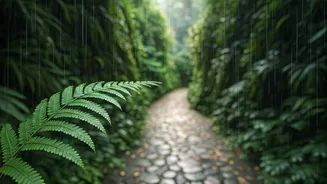
At the heart of this shift is the concept of 'slow travel'. It's not about laziness or inactivity. Instead, it's a philosophy that prioritises connection over a checklist of sights. Rather than rushing from one photo-op to the next, the slow traveller chooses to stay in one place longer, engage with the local community, and absorb the rhythm of daily life. During the monsoon, this philosophy finds its perfect expression. The rain itself forces a change of pace. You can't rush. You're encouraged to sit on a verandah with a book and a cup of chai, watch the clouds roll in, and listen to the downpour. This deliberate slowdown allows for a deeper appreciation of the destination, transforming a simple trip into a restorative retreat.
What the 'Local Upgrade' Looks Like
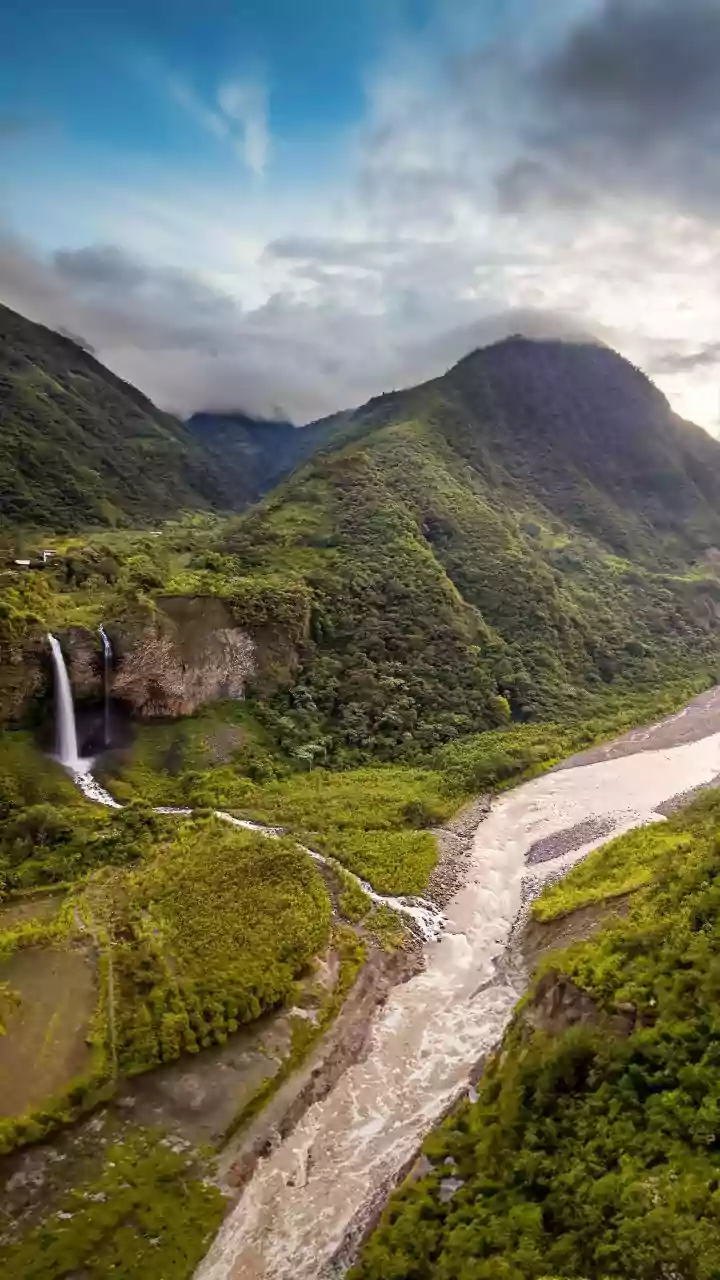
This trend is being fuelled by a new generation of boutique hotels, homestays, and farm stays that have turned the monsoon into their main event. In Kerala, it’s the traditional season for Ayurvedic treatments, as the moist, cool air is believed to help the body absorb the therapies more effectively. In Goa, the usual beach party scene gives way to lush, green landscapes, serene backwaters, and a glimpse into the state’s quiet, traditional Goan-Portuguese culture, or 'susegad'. In the Western Ghats of Maharashtra and Karnataka, farm stays offer guests the chance to participate in paddy planting or simply enjoy the spectacle of waterfalls cascading down verdant hills. The 'upgrade' isn't about five-star luxury in the traditional sense; it's about the luxury of authenticity, quiet, and meaningful connection.
Fewer Crowds, Greener Landscapes
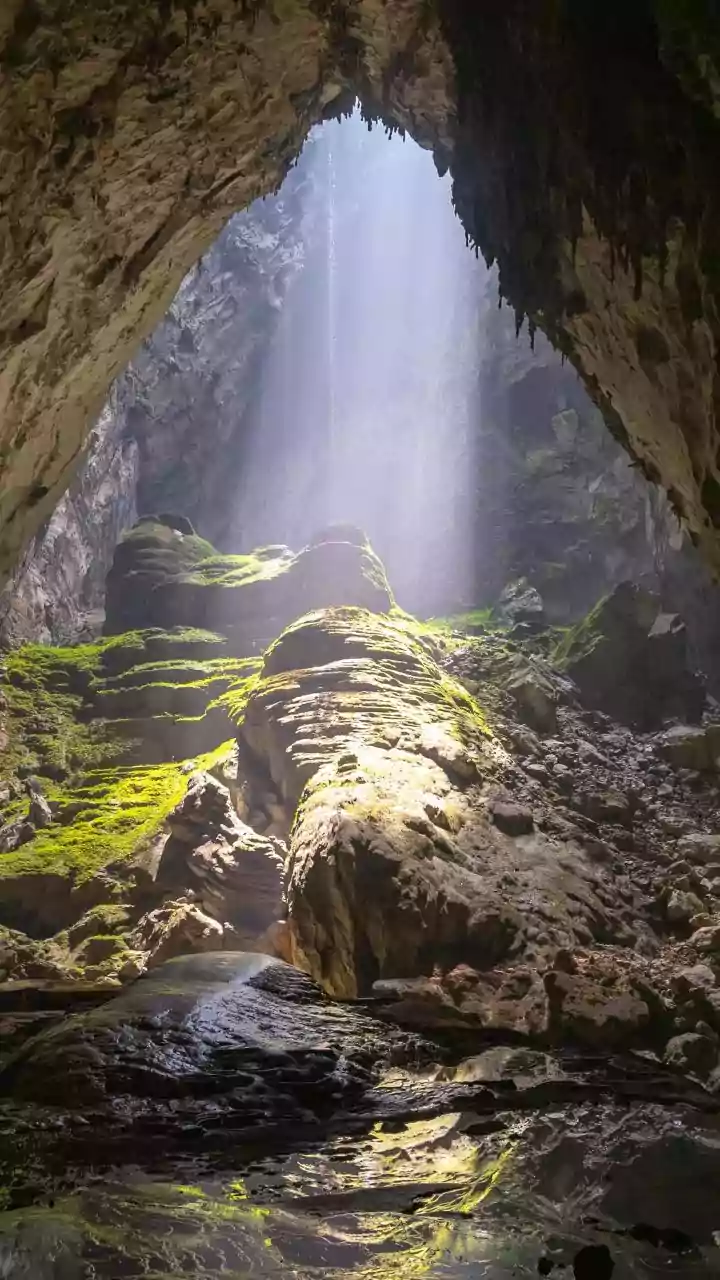
One of the most significant advantages of monsoon travel is the simple lack of crowds. Destinations that are overwhelmingly packed during peak season become tranquil havens. You can explore forts in Rajasthan without the scorching sun and tourist buses, or wander through the misty hills of Coorg or Munnar feeling like you have the place to yourself. The landscape itself undergoes a breathtaking transformation. The parched earth revives, covered in a blanket of electric green. Rivers swell, waterfalls roar back to life, and the air is clean and crisp. For photographers, nature lovers, and anyone seeking peace, the monsoon offers a sensory feast that is unparalleled.
Embracing the Unpredictable
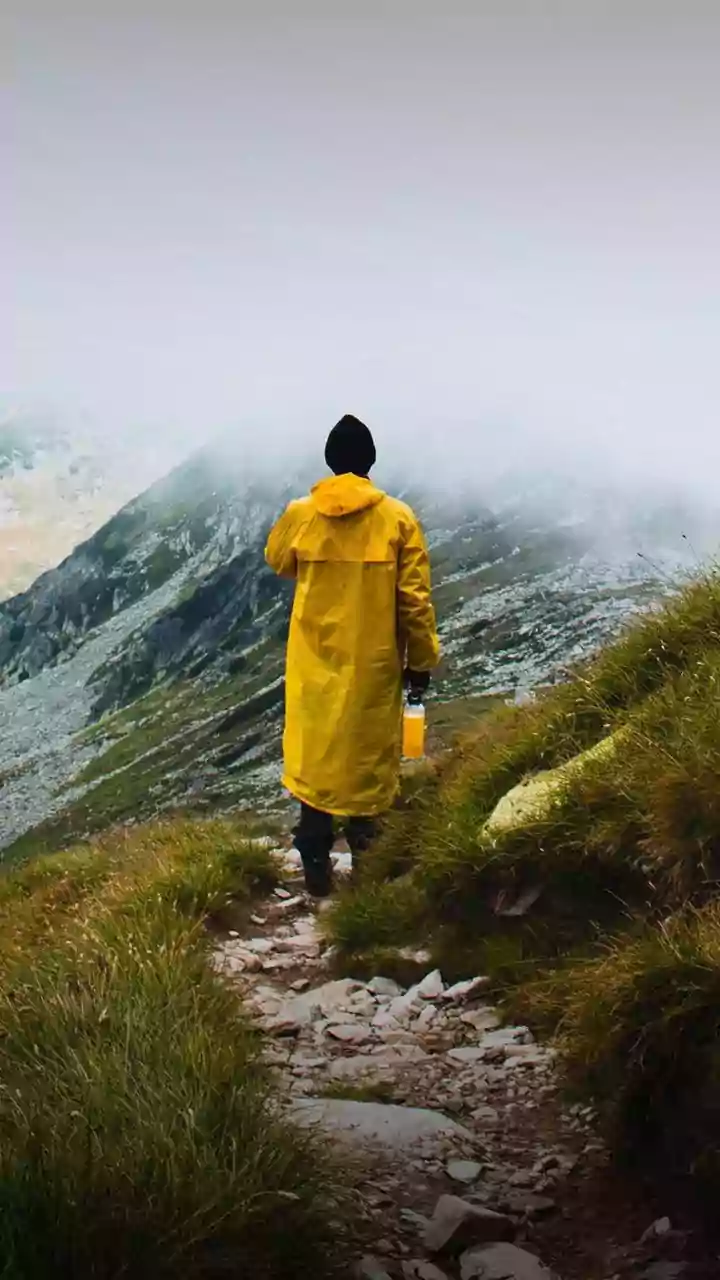
Of course, this type of travel requires a certain mindset. It means embracing a little unpredictability. A blocked road might lead to the discovery of a hidden village. A power cut could result in an evening of candlelight conversations instead of screen time. It's about letting go of a rigid itinerary and allowing the destination and the season to guide your experience. For those willing to trade convenience for connection, the rewards are immense. This isn’t just a holiday; it’s an opportunity to see a familiar country with new eyes, washed clean by the rain and brimming with life.